
How to Extend Appliance Lifespan: Winter Prep Tips
Worried about your dishwasher giving up the ghost right when you need it most, or wondering why your dryer seems to struggle every time the temperature drops? Discover how proper winter preparation can add years to your appliances’ lives while keeping your energy bills manageable throughout the cold season. Winter in Maple Ridge brings unique challenges that can seriously impact your home’s hardest-working appliances. Between the Pacific Northwest’s unpredictable weather patterns and our region’s specific environmental conditions, appliances face stressors that most maintenance guides simply don’t address. The good news is that with the right preparation strategy, you can help your appliances not just survive winter, but actually perform better and last longer. Most homeowners don’t realize that seasonal transitions are when appliances work hardest and face the greatest risk of breakdown. From heating systems ramping up after months of dormancy to refrigerators struggling with temperature fluctuations, winter prep isn’t just about basic maintenance – it’s about strategic care that addresses the specific challenges our coastal climate creates.
Key Outtakes:
- Regular appliance maintenance can extend appliance lifespan by 3-5 years while reducing energy consumption by up to 20%
- Following a structured maintenance schedule prevents 80% of common appliance breakdowns that lead to costly emergency repairs
- Seasonal maintenance adapted to Maple Ridge’s coastal climate prevents moisture-related damage and improves efficiency
- Professional annual inspections combined with monthly DIY tasks provide optimal cost-benefit ratio for appliance longevity
- Energy-efficient maintenance practices can reduce utility bills by $200-500 annually for average households
Understanding Winter’s Impact on Appliance Performance
Winter weather creates a perfect storm of conditions that can wreak havoc on your home’s appliances if they’re not properly prepared. Our coastal location means dealing with high humidity levels that can accelerate corrosion, temperature fluctuations that force systems to work harder, and increased indoor moisture from heating systems that can damage sensitive electronic components. Think about what happens when your heating system kicks into high gear after months of minimal use. Dust and debris that accumulated during warmer months suddenly get circulated through your home, clogging filters and reducing efficiency. Meanwhile, your water heater starts working overtime as incoming water temperatures drop, and your dryer struggles with longer cycle times due to increased moisture in the air. These aren’t just minor inconveniences – they’re warning signs that your appliances need winter-specific attention. The reality is that environmental factors specific to our region create conditions that can reduce appliance lifespans significantly if not addressed proactively. Salt air from our coastal location, mineral-rich water that creates scale buildup, and the constant battle between indoor heating and outdoor moisture all contribute to accelerated wear and tear that proper winter preparation can help prevent.
Essential Pre-Winter Appliance Inspections
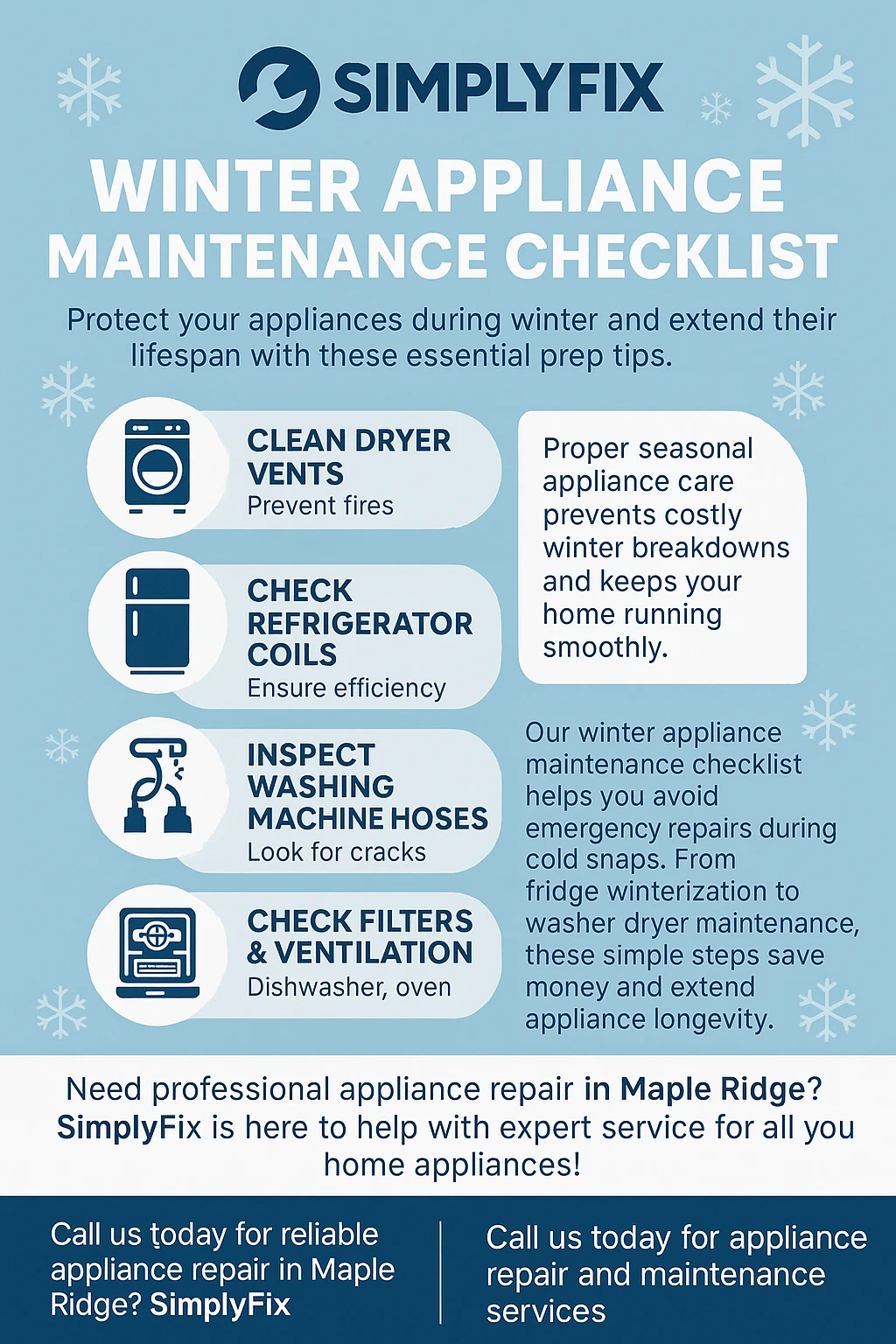
Before the cold weather really sets in, conducting thorough inspections of your major appliances can identify potential problems before they become expensive emergencies. This proactive approach is especially crucial for Maple Ridge homeowners because our climate creates unique stress points that aren’t covered in generic maintenance guides. Start with your heating system, which will soon become your home’s hardest-working appliance. Check and replace air filters, inspect ductwork for leaks or damage, and ensure vents aren’t blocked by furniture or debris. Pay special attention to the area around your furnace – moisture buildup from our humid climate can cause rust or electrical issues that compromise both safety and efficiency. If you have a heat pump, clean the outdoor unit and check that it’s level and properly drained. 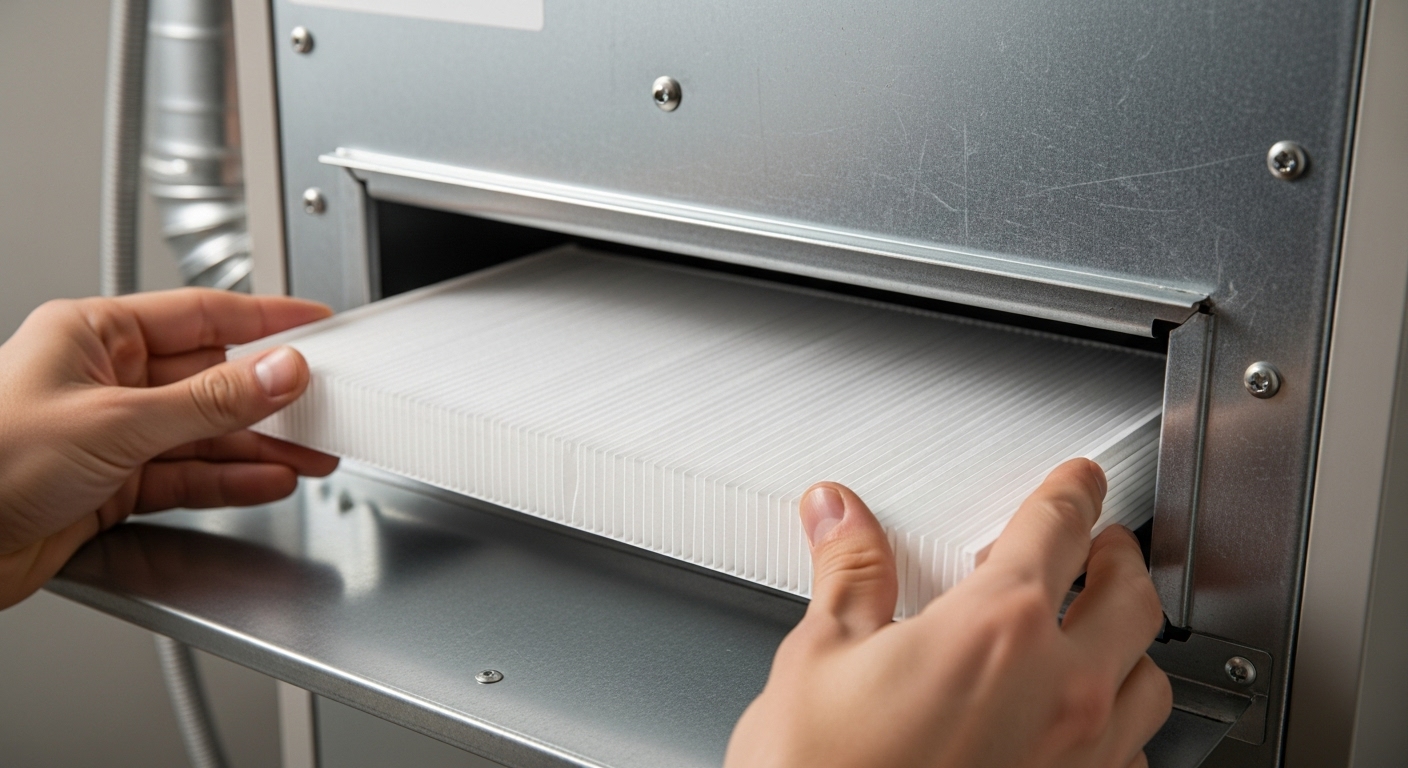 Water-using appliances deserve special attention during pre-winter inspections because cold weather can expose weaknesses in hoses, seals, and connections. Examine washing machine hoses for cracks or bulges, test dishwasher door seals for proper closure, and check your water heater for signs of leaks or corrosion. Don’t forget about outdoor connections – garden house attachments and exterior faucets can freeze and cause expensive damage if not properly winterized. Your dryer needs particular attention because winter’s increased indoor moisture means longer drying times and more stress on components. Clean the lint filter thoroughly, inspect the exhaust vent for blockages, and check that the outdoor vent flap opens and closes properly. A clogged dryer vent not only reduces efficiency but creates a serious fire hazard that becomes more dangerous when the system works harder during winter months.
Professional vs. DIY Inspection Tasks
While many inspection tasks can be handled by homeowners, certain systems require professional attention to ensure safety and warranty compliance. Gas appliances, electrical connections, and complex HVAC systems should always be inspected by qualified technicians who can identify potential hazards and ensure proper operation. Professional inspections typically include testing safety switches, measuring gas pressures, checking electrical connections for signs of wear or overheating, and calibrating thermostats for optimal performance. These services might seem expensive upfront, but they often pay for themselves by preventing emergency repairs and ensuring peak efficiency during high-usage winter months.
Winter-Specific Maintenance Protocols
Once winter arrives, maintaining your appliances requires a different approach than the rest of the year. The combination of increased usage, environmental stressors, and seasonal challenges means adapting your maintenance routine to address winter-specific issues before they cause problems. 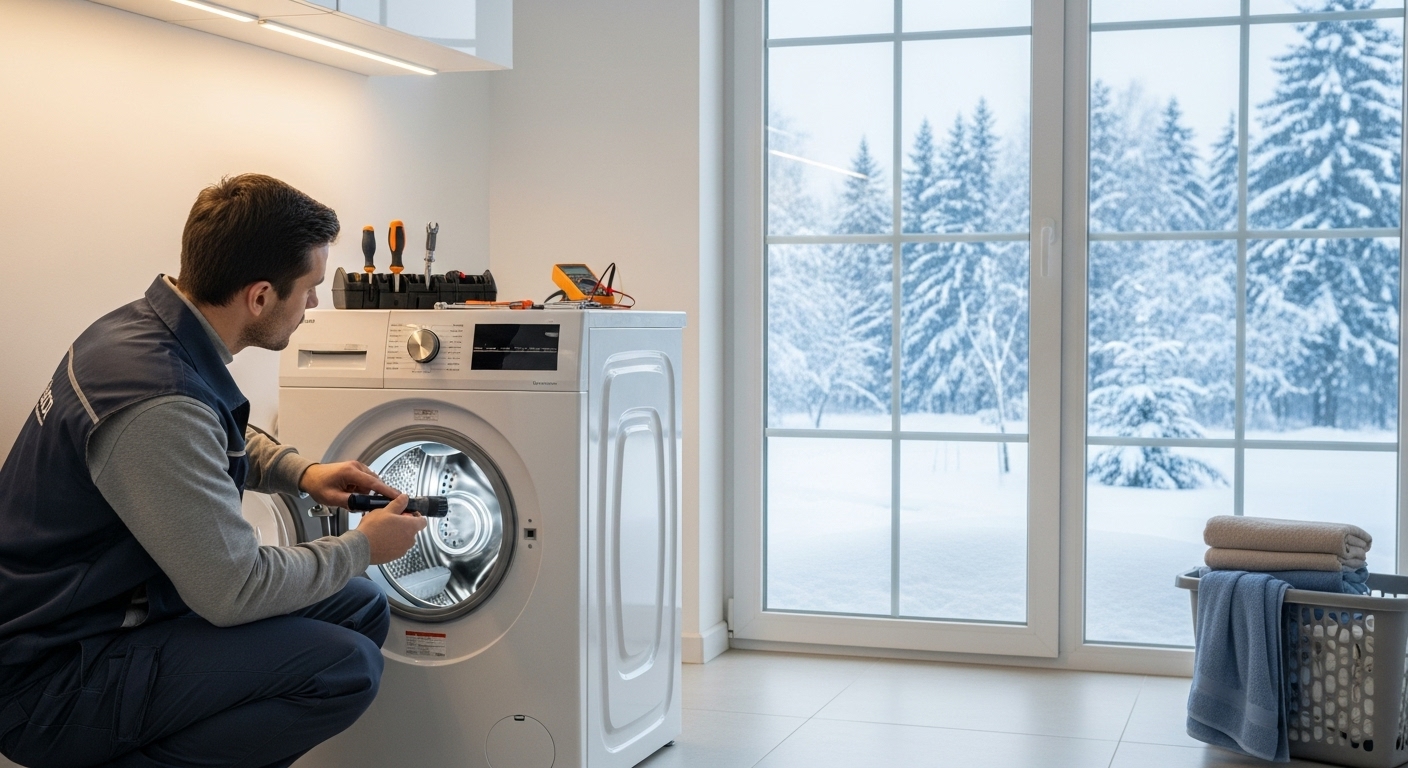 Monthly winter maintenance should focus on the systems working hardest during cold weather. Replace HVAC filters more frequently – potentially every month instead of quarterly – because heating systems run longer and circulate more air. Clean humidifier components regularly to prevent mold and bacteria growth, and monitor moisture levels throughout your home to prevent condensation damage to appliances and electronics. Water heater maintenance becomes especially important during winter when the system works harder to heat incoming cold water. Flush the tank quarterly instead of annually, check the pressure relief valve monthly, and consider adjusting the temperature setting to compensate for increased demand. These simple steps can prevent expensive failures and improve efficiency when you need hot water most. Refrigeration appliances face unique challenges during winter when indoor heating creates temperature variations that force cooling systems to work harder. Clean coils more frequently, check door seals for proper closure, and ensure adequate ventilation around units. Don’t forget about your freezer – power outages during winter storms can cause expensive food loss if the unit isn’t functioning properly.
Addressing Moisture and Humidity Issues
Winter’s biggest threat to appliances is often moisture – from increased indoor humidity due to heating, condensation from temperature differences, and our region’s naturally high moisture levels. Combat this by ensuring proper ventilation in laundry areas, kitchens, and bathrooms where appliances generate or encounter the most moisture. Consider using dehumidifiers in areas with multiple water-using appliances, and always run exhaust fans when using dishwashers, washing machines, or showers. Check that exhaust fans are working properly and venting to the outside, not just into attic spaces where moisture can accumulate and cause damage.
Energy Efficiency Optimization for Cold Weather
Winter months typically bring the highest energy bills of the year, making appliance efficiency optimization both an environmental and economic priority. The key is understanding how cold weather affects appliance performance and making adjustments that improve efficiency without compromising functionality. Heating systems offer the biggest opportunity for energy savings through proper optimization. Set programmable thermostats to reduce temperatures when you’re sleeping or away from home, but avoid dramatic temperature swings that force systems to work harder. Clean air vents regularly and ensure furniture or curtains aren’t blocking airflow, which can create hot and cold spots that reduce overall efficiency. Water heater optimization can significantly impact both energy usage and appliance lifespan during winter. Consider lowering the temperature setting to 120°F if it’s currently higher – this reduces energy consumption while still providing adequate hot water for most households. Insulate hot water pipes in unheated areas to reduce heat loss, and fix leaky faucets promptly to avoid wasting heated water. Kitchen appliances can be optimized for winter efficiency through simple adjustments and smarter usage patterns. Keep refrigerator coils clean and ensure proper spacing around the unit for ventilation. Use your oven’s residual heat to warm the kitchen after cooking, but never leave it open for extended periods as this wastes energy and creates moisture problems.
Smart Usage Strategies
Developing winter-specific usage patterns can dramatically improve appliance efficiency and longevity. Run dishwashers and washing machines during off-peak hours when possible, use full loads to maximize efficiency, and take advantage of sunny winter days to reduce dryer usage by air-drying clothes indoors where the extra moisture can actually help with winter’s dry air problems. Consider consolidating cooking and baking during winter months to make better use of oven heat, and time appliance usage to complement your heating system rather than competing with it. Small changes in how and when you use appliances can add up to significant savings over the winter season.
Protecting Appliances from Power Issues
Winter storms and power fluctuations pose serious threats to modern appliances filled with sensitive electronic components. Protecting your investment requires understanding these risks and implementing both preventive measures and emergency protocols that can save thousands in repair costs. Power surges during winter storms can instantly destroy control boards, displays, and computerized components in modern appliances. While whole-house surge protection offers the best defense, individual surge protectors for major appliances provide affordable backup protection. Look for surge protectors specifically rated for the power requirements of large appliances – standard computer surge strips often aren’t adequate for refrigerators, washing machines, or electric dryers. 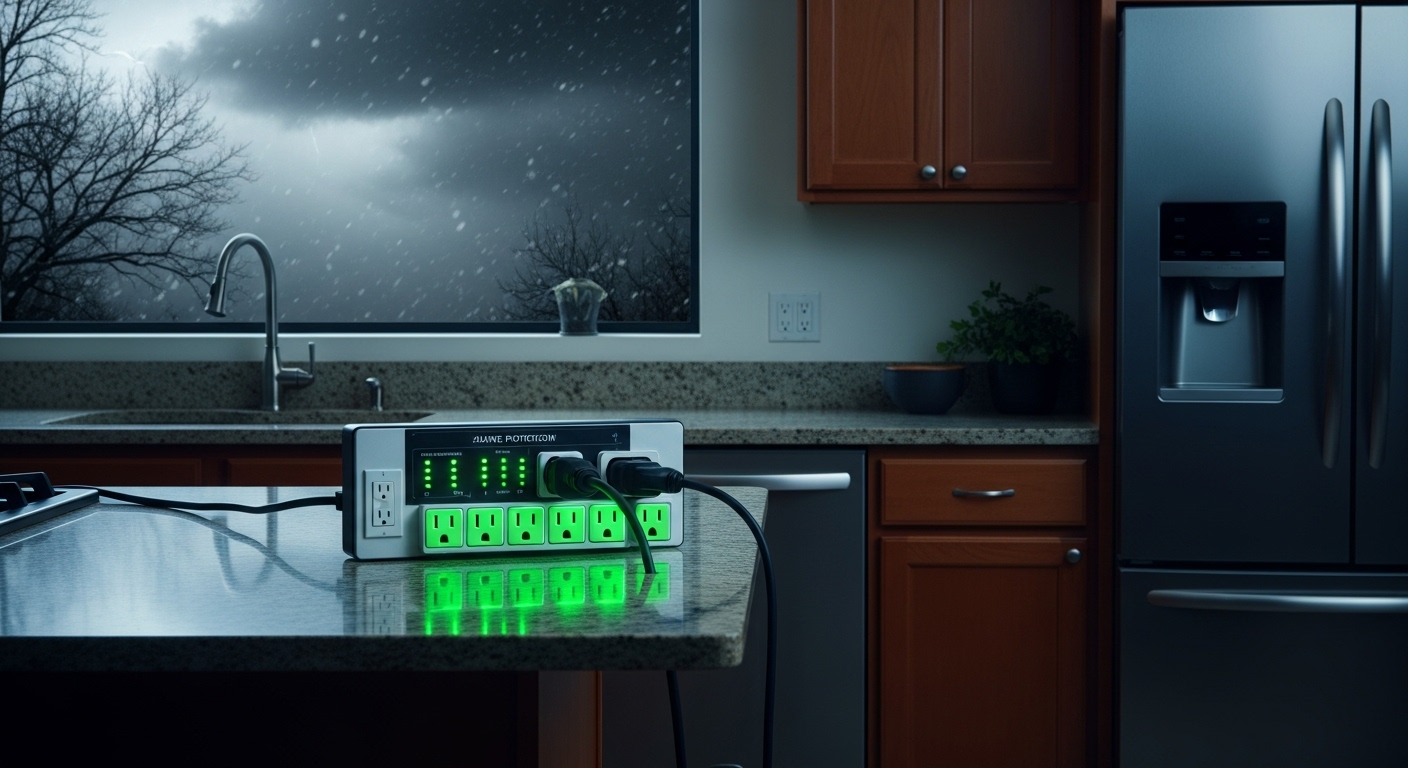 Power outages present different challenges, particularly for refrigeration appliances and systems with electronic controls that need to restart properly. Keep appliance manuals handy with restart procedures, and consider battery backup systems for critical appliances like sump pumps or medical equipment. For refrigerators and freezers, avoid opening doors during outages and know how long your units can maintain safe temperatures. Voltage fluctuations, common during peak winter usage periods, can damage motors and compressors over time even if the effects aren’t immediately obvious. Monitor your home’s electrical system for signs of voltage problems like dimming lights when appliances start, and have an electrician evaluate your system if you notice recurring issues. Sometimes the solution is as simple as balancing electrical loads or upgrading service panels.
Emergency Preparedness
Develop emergency protocols before you need them. Keep flashlights and battery-powered radio accessible, know where your main electrical shutoffs are located, and have contact information for emergency repair services readily available. Understanding your appliance warranty coverage before emergencies arise can save valuable time when you need repairs quickly. Create a priority list of which appliances are most critical to your household, and consider having backup plans for essential functions like heating, cooking, and food preservation. A small investment in emergency preparedness can prevent much larger costs when winter storms strike.
Frequently Asked Questions
How often should I change my heating system filter during winter?
During winter months when your heating system runs frequently, you should check filters monthly and replace them whenever they appear dirty or clogged. In Maple Ridge’s humid climate, filters may need replacement more often than the standard quarterly schedule because moisture can accelerate dirt buildup and reduce filter effectiveness. A clogged filter forces your system to work harder, increases energy costs, and can lead to expensive repairs.
What’s the ideal temperature setting for my water heater in winter?
Set your water heater to 120°F during winter months for optimal efficiency and safety. While higher temperatures might seem necessary when incoming water is colder, 120°F provides adequate hot water for most households while preventing scalding and reducing energy consumption. If you notice insufficient hot water at this setting, the issue is likely with your water heater’s capacity or efficiency rather than temperature setting.
Should I adjust my refrigerator settings during winter?
Most refrigerators don’t require temperature adjustments for winter, but you should ensure adequate ventilation around the unit since heating systems can affect air circulation. Clean the coils more frequently during winter when heating systems circulate more dust, and check door seals regularly as temperature fluctuations can affect their effectiveness. If your refrigerator is in an unheated area like a garage, consult your manual for cold weather operation guidelines.
How can I prevent my washing machine hoses from freezing?
Washing machine hoses rarely freeze in heated homes, but if your laundry area gets very cold, insulate exposed hoses and ensure adequate heating in the space. More importantly, replace rubber hoses with braided steel versions that better withstand temperature fluctuations and pressure changes. Always turn off water supply valves when leaving town during winter to prevent damage if temperatures drop unexpectedly.
Wrapping Up
Preparing your appliances for winter isn’t just about preventing breakdowns – it’s about maximizing their efficiency, extending their lifespan, and ensuring your home stays comfortable throughout the cold season. By understanding the unique challenges our Maple Ridge climate presents and taking proactive steps to address them, you can avoid costly emergency repairs while keeping your energy bills manageable. When your appliances do need professional attention, Simplyfix is here to help with expert repair services and maintenance guidance tailored to our local climate. Our experienced technicians understand the specific challenges Maple Ridge homeowners face and can help you keep your appliances running efficiently year-round.
Recent Comments