

Hearing that mysterious grinding, humming, or rattling coming from your appliances? Those warning sounds aren’t just annoying—they’re your wallet’s worst nightmare disguised as innocent background noise. Picture this: you’re making your morning coffee in your Whonnock kitchen when your dishwasher starts making a sound like a cement mixer having a bad day. Or maybe you’re doing laundry in your Albion home and your dryer suddenly sounds like it’s hosting a rock concert. These aren’t just quirky appliance personalities—they’re expensive repairs knocking at your door. As someone who’s witnessed countless homeowners ignore these warning signs only to face massive repair bills later, I can tell you that appliance noises are like your body’s check engine light. They’re telling you something’s wrong before it becomes catastrophically expensive.
Key Outtakes:
- Strange appliance noises typically indicate worn parts that will fail completely if ignored
- Early intervention can save hundreds of dollars compared to emergency repairs
- Different sounds point to specific problems—grinding means bearings, squealing suggests belts, and banging indicates loose components
- Professional diagnosis within the first few weeks of hearing new noises can prevent total appliance breakdown
- Regular maintenance scheduling can catch noise-causing issues before they become audible warnings
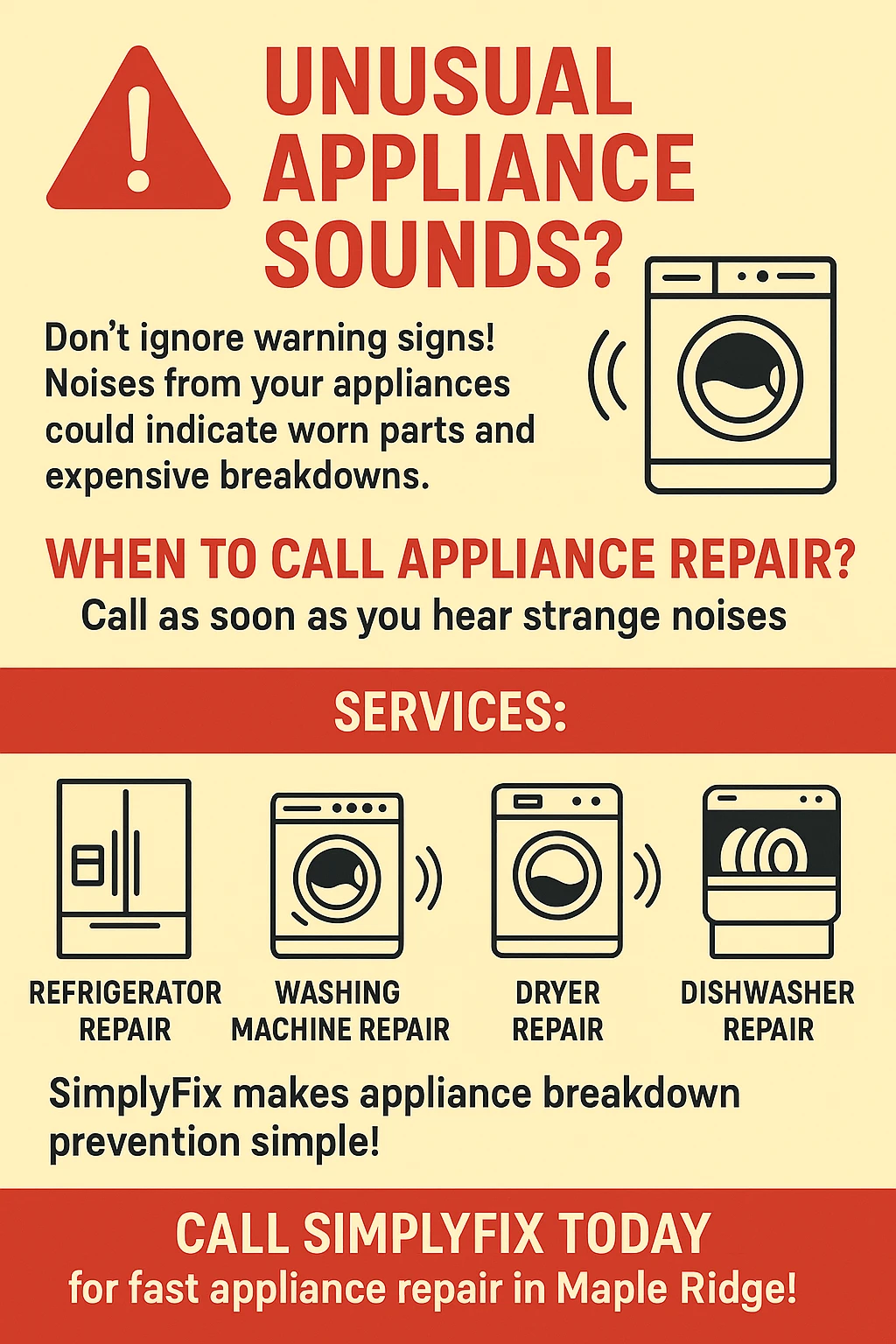
Why Appliance Noises Signal Impending Expensive Repairs
When your appliances start making unusual sounds, they’re essentially crying for help before complete mechanical failure occurs. These noises represent the early stages of component breakdown, where parts are still functioning but operating under stress or with compromised integrity. Think of it like driving a car with squeaky brakes—you can still stop, but those squeaks are warning you that brake pads are wearing thin. Similarly, when your washing machine starts making loud banging noises during the spin cycle, it’s telling you that internal components like drum bearings or suspension rods are failing. The longer you wait, the more damage occurs to surrounding parts, turning a potentially simple repair into a complete system replacement. Most homeowners in areas like Silver Valley and Haney discover this the hard way when ignored noises lead to catastrophic failures. A refrigerator compressor that starts humming loudly might cost $200 to repair early on, but waiting until it completely fails could mean replacing the entire cooling system for $800 or more.
Common Appliance Noises and Their Expensive Consequences
Understanding what different appliance sounds mean can help you gauge the urgency and potential cost of upcoming repairs. Each type of noise corresponds to specific mechanical issues that follow predictable failure patterns. Grinding noises typically indicate bearing failures in motors or rotating components. When your dishwasher motor starts grinding, it means internal bearings are wearing down, causing metal-on-metal contact. This not only damages the bearings themselves but can destroy the motor housing, pump components, and related parts. What starts as a $150 bearing replacement can quickly become a $600 motor assembly replacement if ignored for months. Squealing or screeching sounds usually point to belt or pulley problems in dryers, washing machines, and some refrigerators. These rubber components stretch, crack, or slip over time, creating friction against pulleys. Early belt replacement costs around $75-100, but continued operation with damaged belts can cause pulley damage, motor strain, and even electrical issues that push repair costs into the hundreds. Banging, rattling, or knocking noises often indicate loose mounting hardware, worn shock absorbers, or unbalanced components. In washing machines, these sounds frequently mean suspension springs or dampening rods are failing. While replacing these components early costs $200-300, continued operation can damage the drum, tub, or even crack the machine’s cabinet, requiring complete replacement. 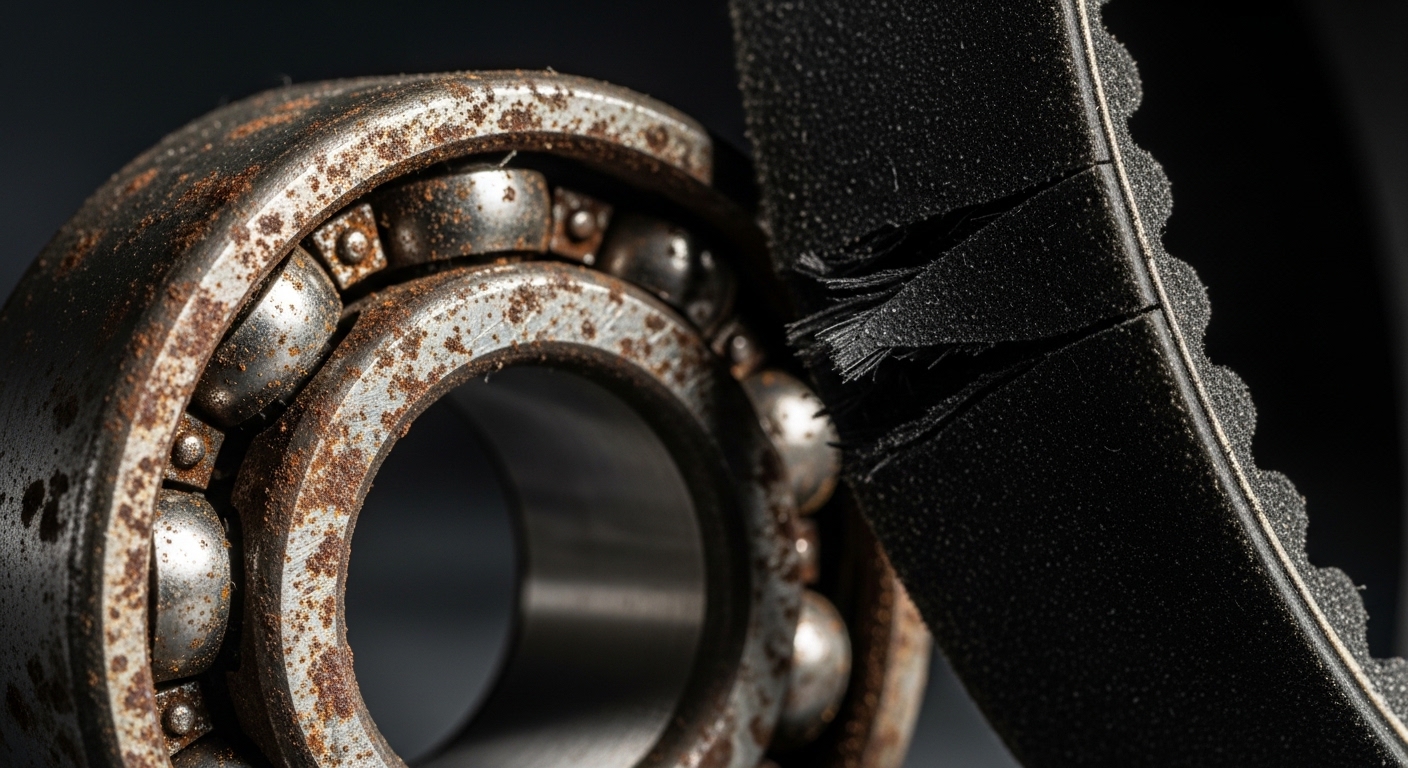
The Hidden Costs of Ignoring Appliance Warning Sounds
Beyond the obvious repair expenses, ignoring appliance noises creates a cascade of hidden costs that can devastate your household budget. These secondary expenses often exceed the original repair costs and catch homeowners completely off guard. Energy inefficiency represents one of the most overlooked consequences of noisy appliances. When internal components struggle due to wear, appliances work harder to achieve the same results, dramatically increasing utility bills. A refrigerator with a failing compressor might run constantly, doubling electricity consumption for months before complete failure. Similarly, dryers with damaged belts take longer to dry clothes, extending cycle times and increasing energy costs. Emergency repair premiums add another layer of expense when appliances fail completely at inconvenient times. Weekend and holiday service calls typically cost 50-100% more than regular appointments. When your washing machine’s bearings finally seize up on a Saturday night, you’ll pay premium rates for emergency service, assuming you can even find available technicians. Food spoilage and replacement costs mount quickly when refrigerators and freezers fail. A complete refrigerator breakdown can result in $300-500 worth of spoiled groceries, medications, and specialty items. For families in neighborhoods like Thornhill, this represents a significant unexpected expense on top of appliance repair costs. 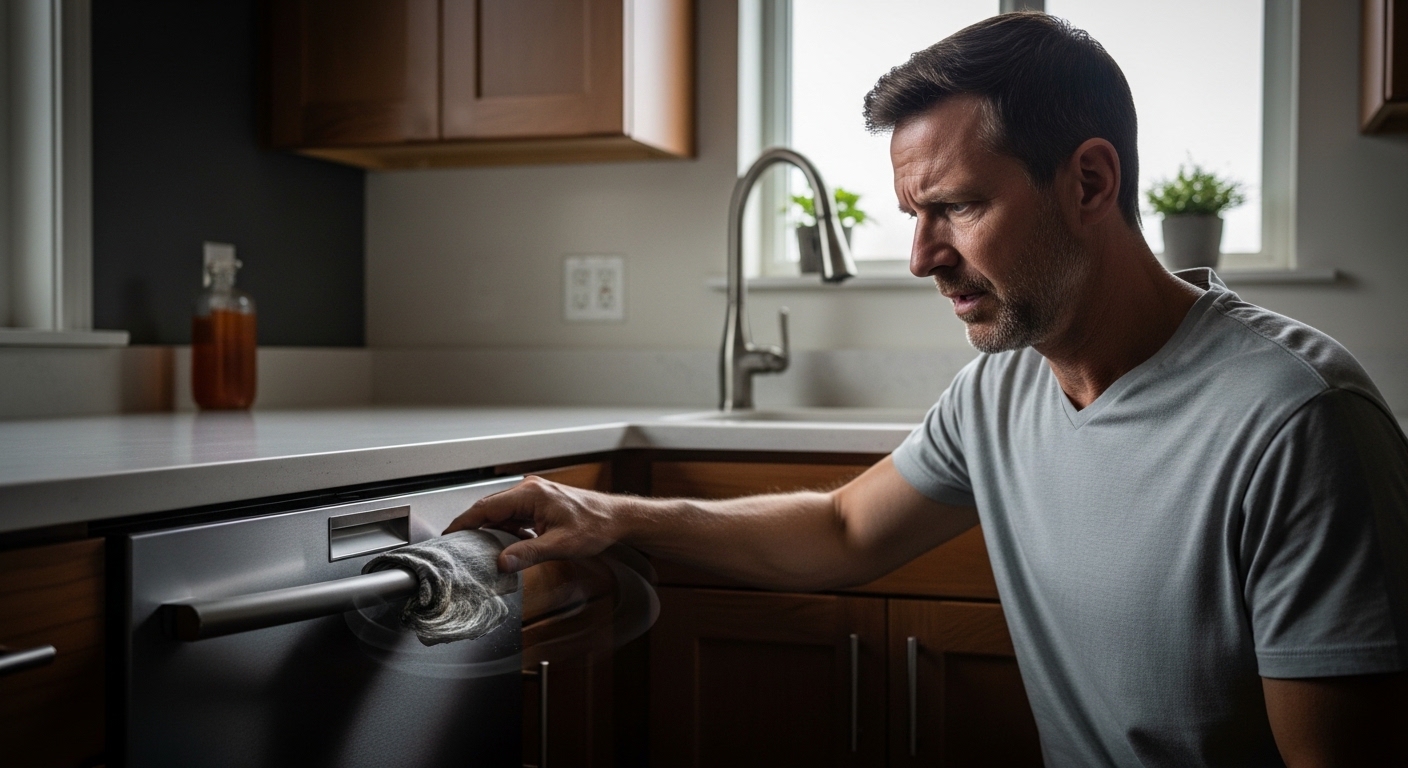
Professional Diagnosis: Your First Line of Defense
Professional appliance diagnosis serves as your most cost-effective strategy for preventing expensive repairs from escalating into complete replacements. Experienced technicians can identify the exact source of problematic noises and provide accurate repair timelines and cost estimates. Early professional intervention typically costs $95-150 for diagnostic services, but this investment can save thousands in prevented damage. Technicians use specialized tools to measure vibrations, check electrical connections, and test component performance beyond what homeowners can assess. They can distinguish between normal operational sounds and genuine warning signals that require immediate attention. The diagnostic process also reveals secondary issues that contribute to noise problems. For example, what sounds like a simple motor problem might actually result from inadequate ventilation, improper installation, or electrical supply issues. Addressing these root causes prevents recurring problems and extends appliance lifespan significantly. Many appliance repair services in Rockridge and Port Haney offer diagnostic credits toward repair costs, making professional assessment essentially free when you proceed with recommended fixes. This approach ensures you’re making informed decisions based on accurate information rather than guessing about problem severity. 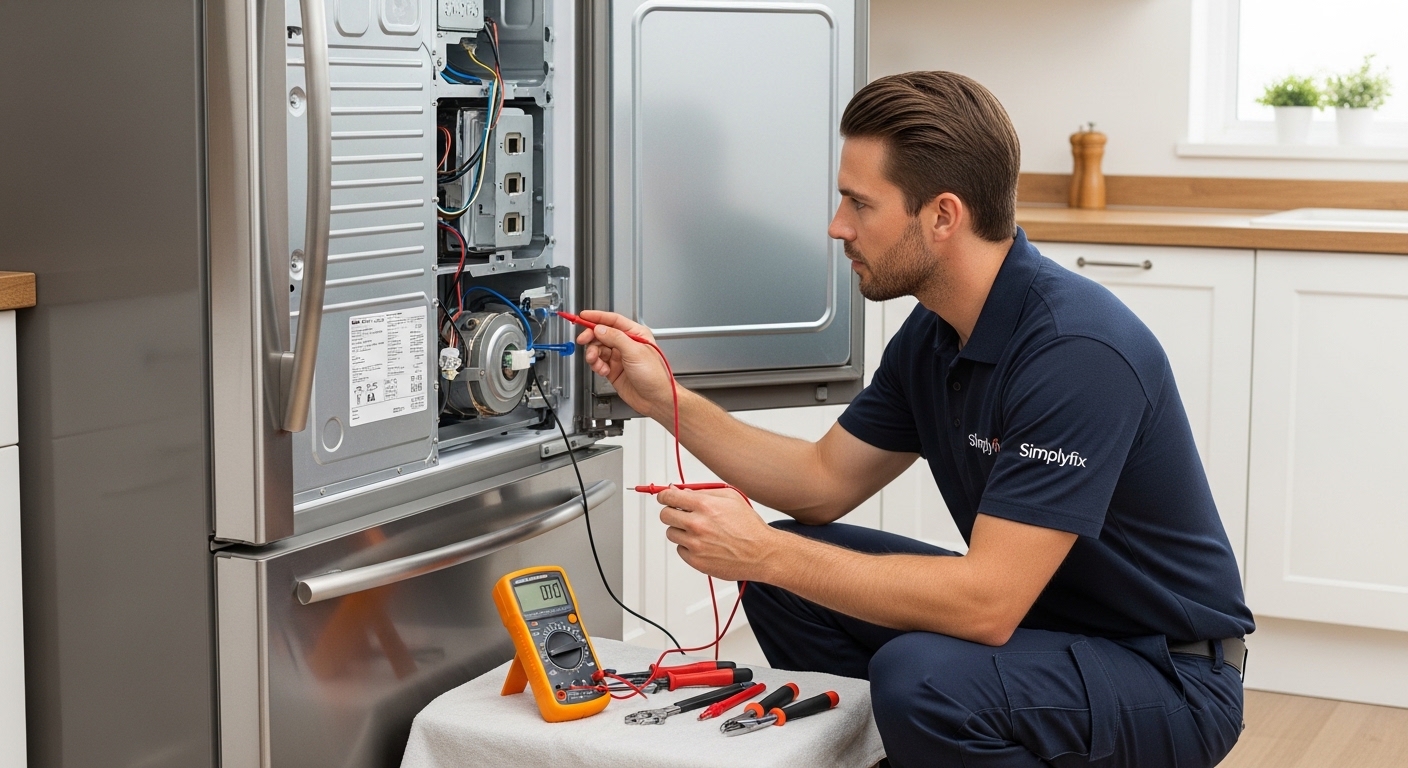
Frequently Asked Questions
How quickly should I call for service when my appliance starts making new noises?
You should contact a professional within the first week of noticing new or unusual appliance noises. Early intervention prevents minor issues from cascading into major failures and keeps repair costs manageable. Most appliance problems follow predictable progression patterns, and catching them early dramatically reduces both repair complexity and expense. Waiting longer than two weeks typically allows additional damage to occur, increasing repair costs significantly. Emergency situations develop when critical components fail completely, often requiring immediate replacement and premium service rates.
Can I diagnose appliance noise problems myself before calling a technician?
While you can perform basic observations like noting when noises occur and their characteristics, accurate diagnosis requires professional tools and expertise. However, documenting noise patterns, frequency, and any associated performance changes helps technicians diagnose problems more efficiently during service calls. Simple maintenance tasks like cleaning lint filters, checking for loose items, and ensuring proper leveling can eliminate some noise sources. If these basic steps don’t resolve the problem, professional diagnosis becomes necessary to prevent expensive damage.
Are certain appliance brands more prone to developing noise problems?
All appliance brands can develop noise issues as components age and wear, but build quality and maintenance history significantly influence problem frequency. Higher-end models often use better bearings, motors, and suspension systems that operate more quietly and last longer than budget alternatives. Regular maintenance regardless of brand helps prevent many noise-causing problems. Professional technicians can recommend brand-specific maintenance schedules and identify common failure points for your particular appliances.
Wrapping Up
Those seemingly innocent appliance noises represent your early warning system against catastrophic and expensive repairs that can drain your bank account. By taking these sounds seriously and investing in professional diagnosis within the first few weeks of noticing changes, you can save hundreds or even thousands of dollars in repair and replacement costs. When your appliances start speaking up with unusual sounds, don’t ignore their pleas for help. Contact Simplyfix today for expert appliance diagnosis and repair services throughout Maple Ridge, ensuring your home runs smoothly without breaking your budget.
Recent Comments