

Ever noticed your energy bills creeping up while your appliances work overtime just to do their basic jobs? The culprit might be hiding in plain sight – those grimy filters you’ve been meaning to clean for the past six months. Picture this: you’re living your best life in beautiful Silver Valley, sipping your morning coffee when suddenly your fridge starts making that ominous humming sound. Or maybe you’re in Cottonwood dealing with a dryer that takes three cycles to get your jeans actually dry. These aren’t just minor inconveniences – they’re warning signs that dirty appliance filters are literally costing you cold, hard cash. And honey, we’re not talking pocket change here. Your home’s appliances are basically the hardworking squad that keeps your daily routine running smoothly, but when their filters get clogged with dust, lint, grease, and whatever mystery particles float around your house, everything goes sideways. It’s like asking someone to run a marathon while breathing through a straw – technically possible, but definitely not efficient.
Key Outtakes:
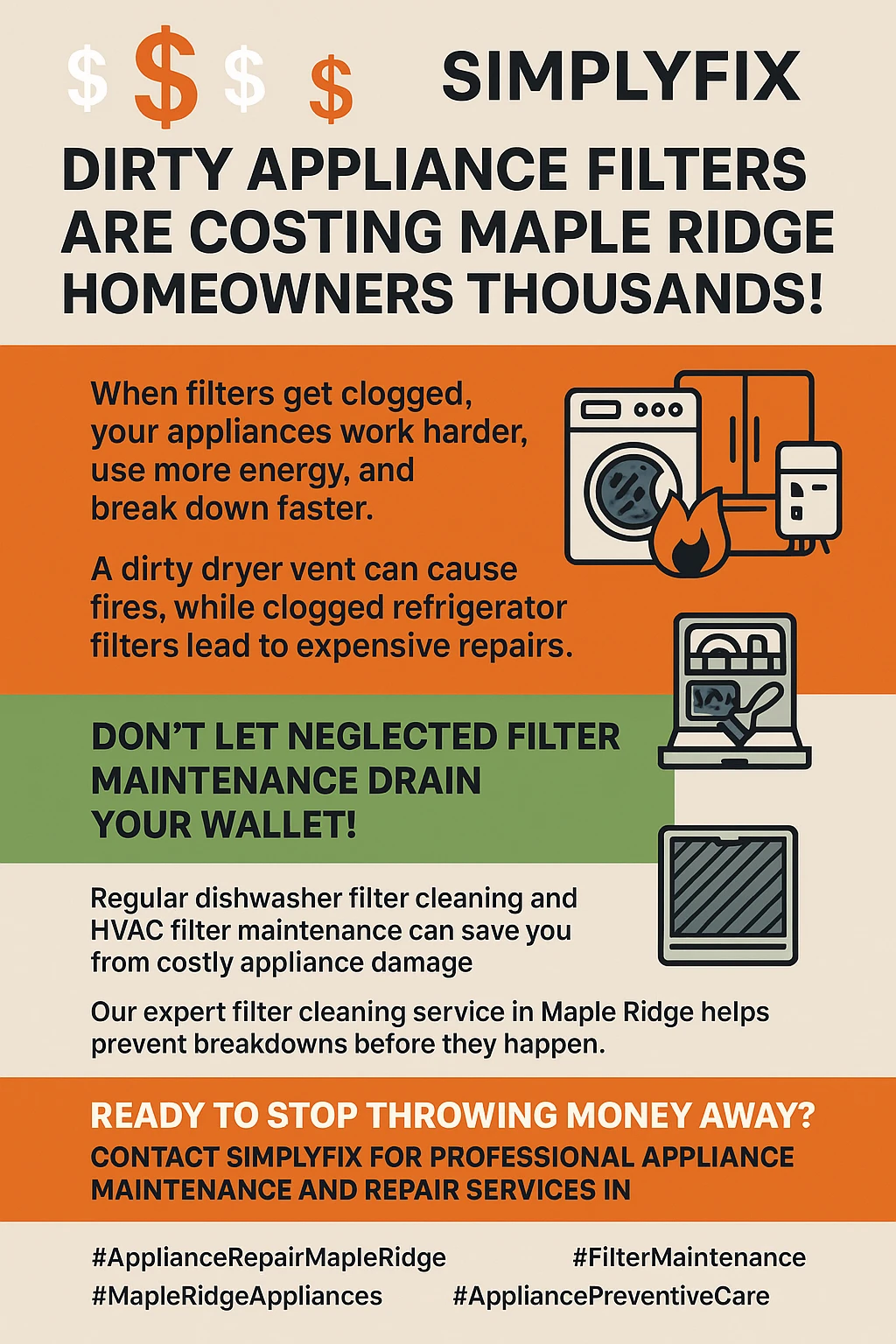
- Dirty appliance filters can increase energy consumption by up to 50%, turning your monthly utility bills into budget nightmares
- Clogged filters force appliances to work harder, significantly shortening their lifespan and leading to expensive premature replacements
- Poor air circulation from dirty filters creates ideal breeding grounds for mold, bacteria, and allergens that affect your family’s health
- Regular filter maintenance costs pennies compared to emergency repair calls and appliance replacement costs
- Professional appliance maintenance services can identify filter issues before they become catastrophic failures
The Hidden Financial Drain in Your Home
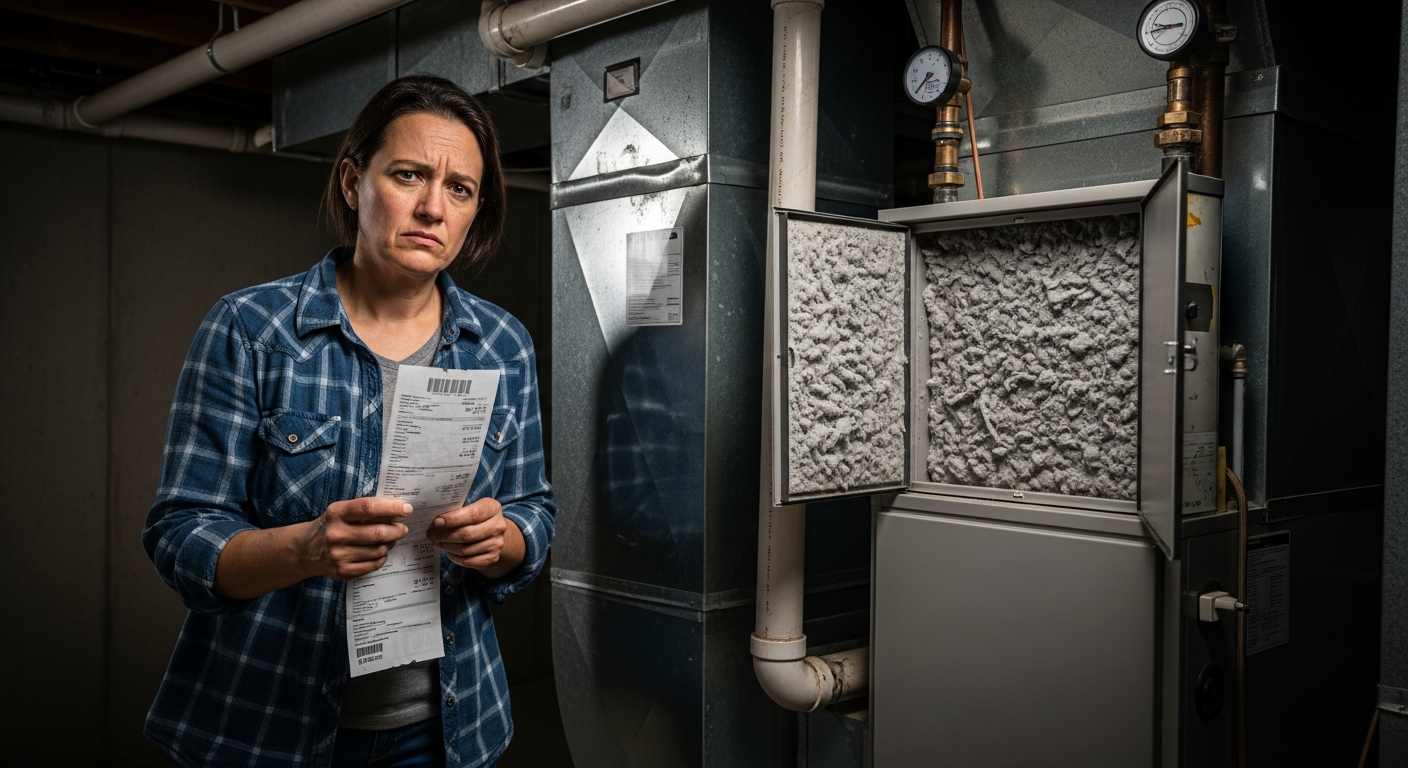 Let’s get real about what’s actually happening when you ignore those filters. Every single day, your appliances are sucking in air, water, and various particles to do their jobs. When filters get gunked up, it’s like putting a speed bump in front of a race car – everything slows down and uses way more fuel to get to the finish line. Your refrigerator’s condenser coils, for example, rely on proper airflow to release heat efficiently. When that filter (yes, your fridge has one!) gets clogged with dust bunnies and pet hair, the compressor has to work overtime just to keep your groceries cold. We’re talking about a 15-25% increase in energy consumption just from a dirty filter. That’s like paying for an extra week of electricity every month for absolutely no benefit. The same drama plays out with your HVAC system, dishwasher, dryer, and even that fancy range hood you installed during your last kitchen renovation. Each clogged filter is basically a tiny energy vampire, quietly draining your bank account while you sleep. And the worst part? Most homeowners don’t even realize it’s happening until they get that jaw-dropping utility bill.
When Appliances Fight Back Against Neglect
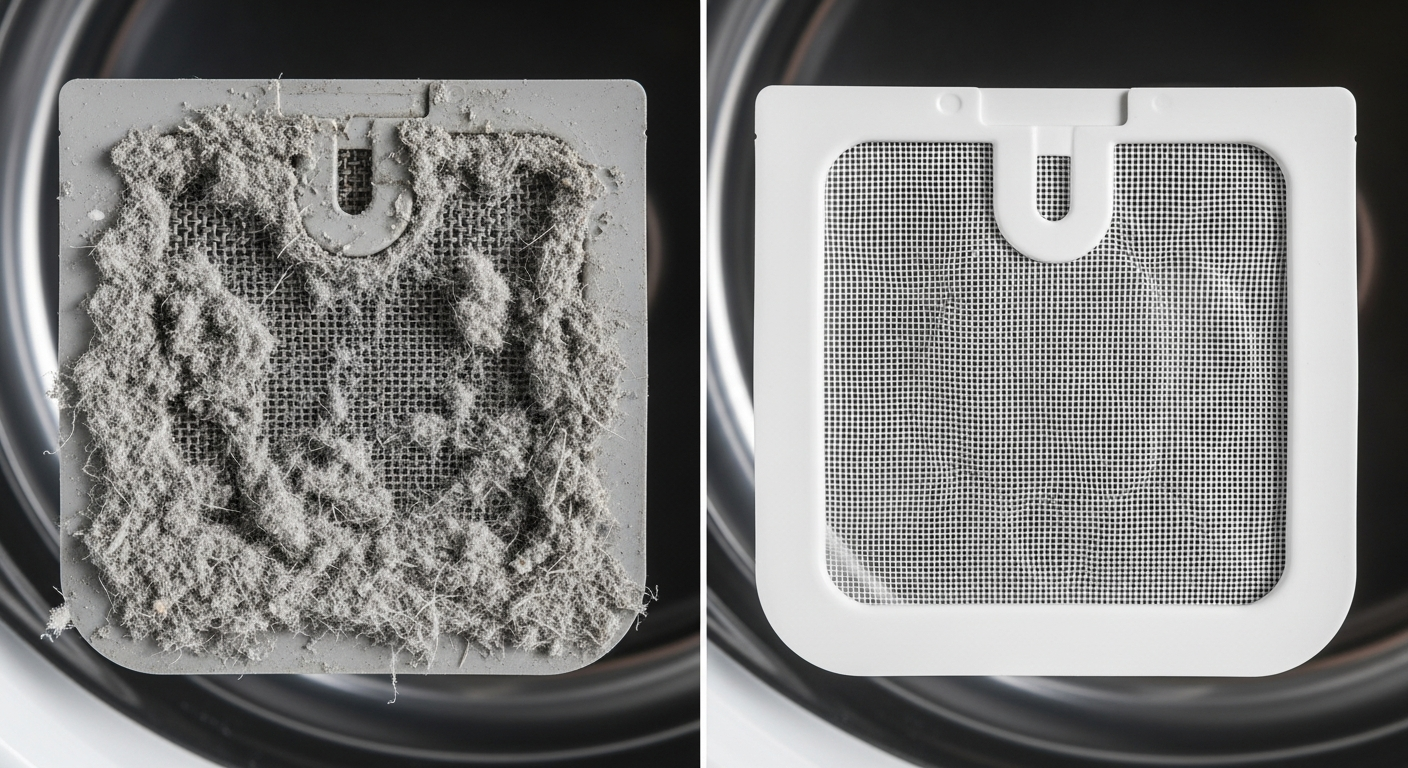 Now that we’ve covered the daily energy drain, let’s talk about what happens when appliances finally give up the ghost. This transition from ongoing costs to catastrophic failure is where dirty filters really show their true destructive power. When your dryer’s lint filter looks like it’s growing a small animal and the exhaust vent is completely blocked, your poor appliance is basically suffocating. The heating element starts working harder than a contestant on a reality TV show, temperatures spike way beyond normal levels, and internal components begin breaking down from the stress. What should have been a simple 45-minute dry cycle turns into a two-hour ordeal that leaves your clothes damp and your dryer’s motor crying for help. Your dishwasher faces similar struggles when its filter becomes a gross cocktail of food particles, grease, and soap scum. Water can’t circulate properly, so the wash arms spin helplessly while your dishes stay dirty. The pump motor strains to push water through the blockage, overheats, and eventually burns out completely. Suddenly you’re looking at a $300-500 repair bill, or worse, shopping for a whole new dishwasher. The refrigerator situation gets particularly ugly when condenser coils are caked with dust and the internal air filter hasn’t been changed since the previous decade. The compressor runs constantly, trying desperately to maintain proper temperatures while fighting against restricted airflow. Internal components overheat, seals fail, and before you know it, you’re dealing with a dead fridge and several hundred dollars worth of spoiled groceries. Professional repair services across the Fraser Valley region report that filter-related failures account for nearly 60% of preventable appliance breakdowns.
The Domino Effect of Component Failure
Here’s where things get really expensive: when one component fails due to overwork, it often triggers a cascade of problems throughout the entire appliance. A clogged dryer vent doesn’t just kill the heating element – it can damage the thermostat, fry control boards, and even warp the drum. What started as a $15 filter replacement becomes a $400+ repair nightmare that could have been completely avoided. Similarly, when your HVAC system’s filter turns into a solid wall of debris, the blower motor works harder, the evaporator coils freeze up, and the entire system starts breaking down piece by piece. Each failed component puts additional stress on the remaining parts, creating a snowball effect that can destroy a perfectly good furnace or air conditioning unit. The financial impact extends beyond just repair costs. When appliances are struggling with dirty filters, they’re also performing poorly at their actual jobs. Your clothes don’t get fully dry, dishes come out spotted and grimy, and your home’s air quality takes a nosedive. You end up rewashing loads, running cycles multiple times, and dealing with health issues from poor indoor air quality – all of which cost additional money and time.
Health Hazards Lurking in Dirty Filters
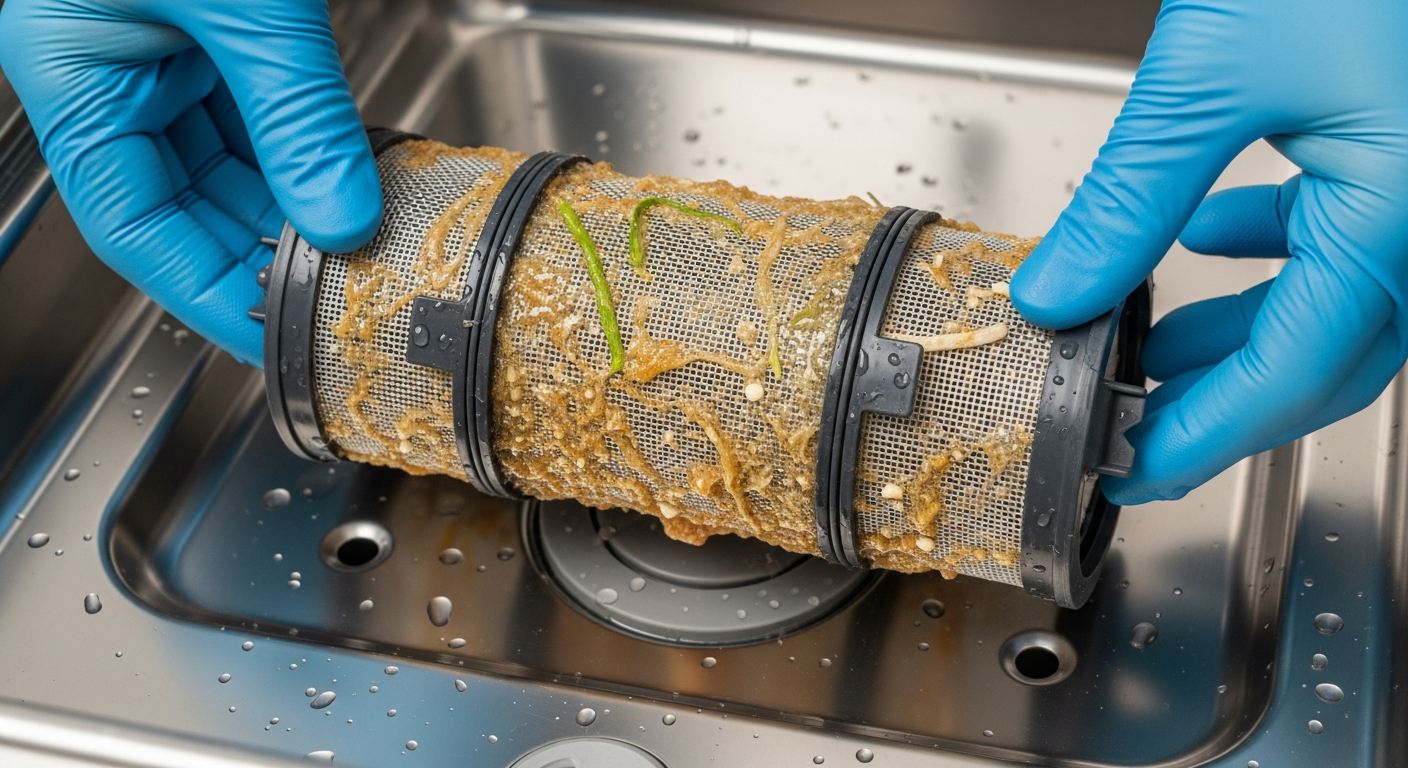 Beyond the financial devastation, dirty appliance filters create a perfect storm of health hazards that many homeowners never connect to their maintenance habits. This shift from talking about money to health impacts shows just how far-reaching the consequences of filter neglect really are. When your range hood filter looks like it survived a grease fire and your bathroom exhaust fan hasn’t been cleaned since installation, you’re basically creating luxury accommodations for mold, bacteria, and allergens. These microscopic troublemakers love nothing more than a nice, moist environment filled with organic material to feast on. Dirty filters provide exactly that – a five-star resort for everything you don’t want floating around your home’s air. Your clothes dryer presents particularly nasty health risks when lint builds up in the filter and exhaust system. That seemingly innocent fluff creates an ideal environment for bacteria and mold growth, especially when combined with the moisture from wet clothes. Every time you run a load, these contaminants get blown back into your laundry room and circulated throughout your home. People with asthma, allergies, or respiratory conditions often notice their symptoms getting worse without realizing their neglected dryer filter is the culprit. Dishwasher filters tell an equally gross story when they’re left uncleaned for months. Food particles decompose in the warm, moist environment, creating a bacterial playground that would make a microbiologist weep. That funky smell coming from your dishwasher isn’t just unpleasant – it’s evidence of potentially harmful microorganisms that could contaminate your supposedly “clean” dishes.
Air Quality and Hidden Contaminants
The air quality impacts of dirty appliance filters extend far beyond just dust and debris. HVAC filters that haven’t been changed in months become breeding grounds for bacteria, viruses, and mold spores that get distributed throughout your entire home every time the system runs. This is particularly concerning for families with young children, elderly members, or anyone with compromised immune systems. Refrigerator air filters might seem less critical, but when they’re clogged with dust and debris, they can’t effectively remove odors and contaminants from your food storage area. This leads to faster food spoilage, cross-contamination of flavors, and potential bacterial growth that could cause foodborne illness. The financial cost of repeatedly replacing spoiled groceries adds up quickly, especially when combined with the health risks of consuming contaminated food. Range hood filters present their own unique health challenges when they’re saturated with grease and cooking residue. Instead of removing smoke, steam, and cooking odors from your kitchen, a dirty filter actually traps these contaminants and slowly releases them back into your home’s air. This creates poor indoor air quality and can trigger respiratory issues, headaches, and other health problems that many people never associate with their kitchen ventilation system.
The Smart Economics of Prevention
After understanding the devastating costs and health impacts of dirty filters, the economics of prevention start looking pretty appealing. This transition from problem to solution shows homeowners exactly how small investments in maintenance can prevent massive financial and health disasters. Regular filter maintenance is honestly one of the best investments you can make in your home. We’re talking about spending $20-50 every few months on replacement filters versus dropping $2,000-5,000 on appliance replacements or major repairs. When you break down the math, proper filter maintenance costs less than your monthly coffee shop habit but saves exponentially more money than any coupon or discount you’ll ever find. The key is understanding that different appliances have different filter needs and replacement schedules. Your HVAC system might need new filters every 1-3 months depending on usage and air quality, while refrigerator filters typically last 6 months, and range hood filters can often be cleaned and reused multiple times before replacement. Dishwasher filters usually just need regular cleaning rather than replacement, but that monthly maintenance can prevent thousands of dollars in damage. Smart homeowners in areas like Hammond and Albion are discovering that setting up automatic filter replacement schedules eliminates the guesswork and ensures consistent maintenance. Many online retailers offer subscription services that deliver replacement filters right to your door on a predetermined schedule, making it virtually impossible to forget this crucial maintenance task.
Professional Maintenance Services
While homeowner maintenance covers the basics, professional appliance service can catch filter issues and other problems before they become expensive disasters. Qualified technicians have the expertise and tools to thoroughly clean filters that homeowners might miss, inspect for wear and damage, and identify potential problems during routine maintenance visits. Professional maintenance services often include comprehensive filter inspections as part of annual tune-ups for major appliances. These visits typically cost $100-200 per appliance but can prevent repair bills that run into the thousands. Technicians can spot early signs of filter-related stress, recommend optimal replacement schedules based on your specific usage patterns, and ensure that all your appliances are operating at peak efficiency. Many professional services also offer maintenance packages that cover multiple appliances, providing better value and ensuring that nothing gets overlooked. These comprehensive approaches to appliance care have proven particularly popular among busy families who want the peace of mind that comes with professional oversight of their home’s essential systems.
Frequently Asked Questions
How often should I replace different types of appliance filters?
The replacement schedule varies significantly depending on the appliance and your usage patterns. HVAC filters typically need changing every 1-3 months, with higher-quality pleated filters lasting longer than basic fiberglass ones. Refrigerator water and air filters usually last about 6 months, while dishwasher filters need cleaning monthly but rarely require replacement. Dryer lint filters should be cleaned after every load, and the exhaust vent should be professionally cleaned annually. Range hood filters can often be washed and reused multiple times before needing replacement, but they should be cleaned monthly in busy kitchens.
What are the warning signs that my appliance filters need attention?
Several obvious signs indicate filter problems before they become expensive disasters. Increased energy bills often signal that appliances are working harder due to restricted airflow. Strange noises, longer cycle times, and poor performance are classic symptoms of filter issues. You might notice your dryer taking multiple cycles to dry clothes, your dishwasher leaving spots and residue, or your refrigerator running constantly. Unusual odors, especially musty or burning smells, can indicate serious filter problems that need immediate attention to prevent health hazards or fire risks.
Wrapping Up
Dirty appliance filters are silent budget killers that cost homeowners thousands in unnecessary energy bills, premature appliance replacement, and health problems. The good news is that prevention is incredibly affordable and straightforward – regular filter maintenance costs pennies compared to the devastating expenses of neglect. Whether you’re in Thornhill dealing with a struggling HVAC system or in Webster’s Corners watching your energy bills climb, taking control of your appliance filters can save serious money and protect your family’s health. At Simplyfix, we understand the importance of proper appliance maintenance and offer comprehensive services to keep your home running efficiently, helping Maple Ridge families avoid costly filter-related disasters through professional maintenance and expert advice.
Recent Comments