
How Smart Appliances Create Costly Repair Nightmares
Wondering why your smart refrigerator repair costs twice as much as fixing a traditional fridge? Smart appliances promise convenience but often deliver expensive headaches when sophisticated technology meets everyday household reality.
Picture this: your three-year-old smart refrigerator stops working, displaying cryptic error codes that look more like government encryption than helpful diagnostics. What should be a straightforward repair transforms into a technological treasure hunt involving Wi-Fi networks, software updates, and specialized technicians who charge premium rates for their dual expertise in mechanics and IT support.
Smart appliances have revolutionized our kitchens and laundry rooms, but they’ve also fundamentally changed the repair landscape in ways most Maple Ridge homeowners never anticipated. These connected devices bring impressive capabilities like remote monitoring, energy optimization, and predictive maintenance alerts, but they also introduce complex failure points that traditional appliance repair services weren’t designed to handle.
Key Outtakes:
- Smart appliances experience connectivity problems up to 70% more frequently than traditional mechanical failures, requiring specialized diagnostic approaches
- Wi-Fi network issues, particularly 2.4GHz band conflicts, are the primary cause of smart appliance malfunctions rather than hardware problems
- DIY repairs on smart appliances can void warranties and potentially compromise home network security
- Professional technicians now require training in both traditional repair methods and IoT technologies, networking protocols, and software troubleshooting
- Predictive maintenance through smart appliance diagnostics can prevent costly breakdowns and extend appliance lifespan significantly
The Hidden Complexity Behind Modern Appliances
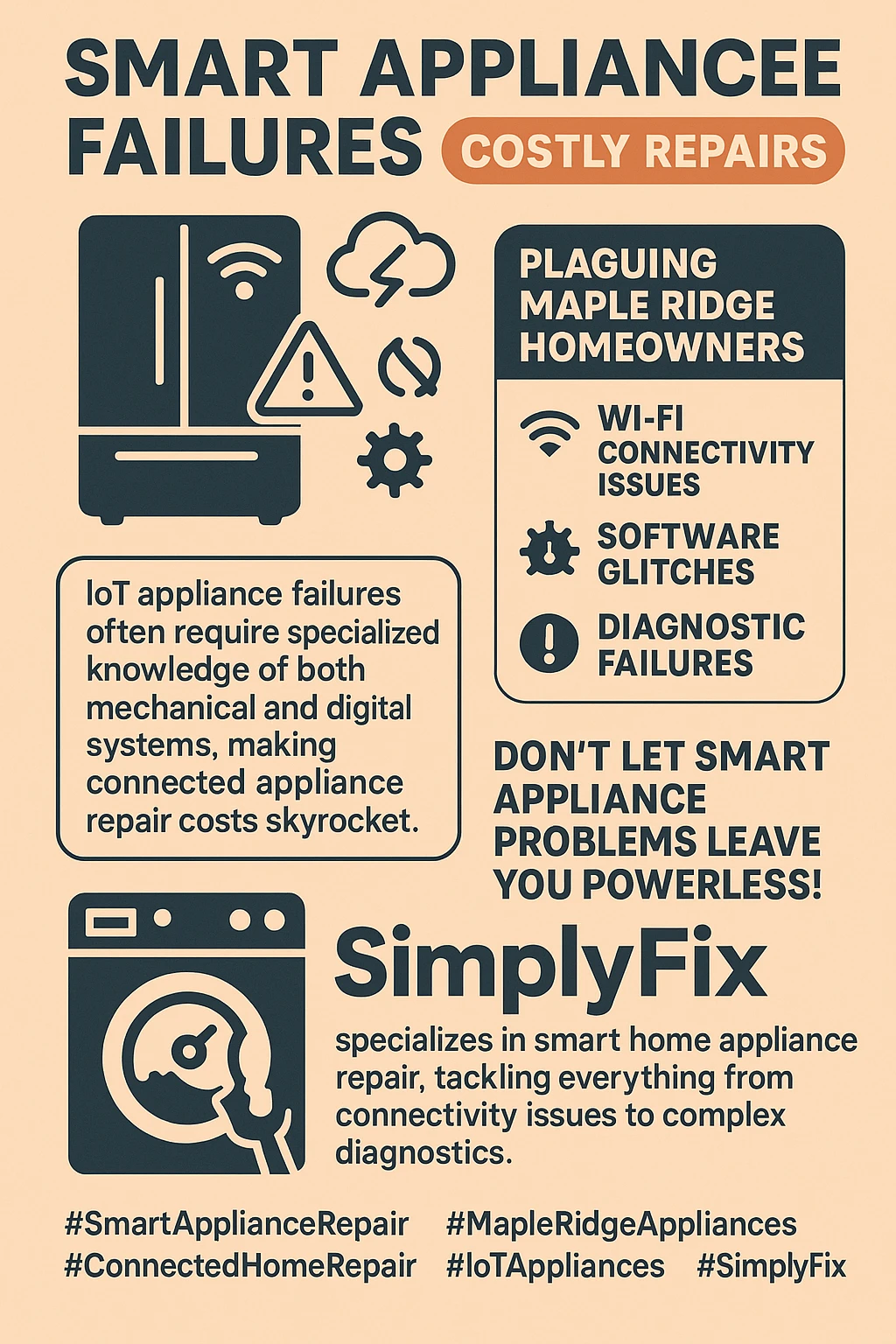
The shift from traditional to smart appliances represents more than just adding Wi-Fi capability to your washing machine. Modern connected appliances integrate sophisticated computer systems, sensors, and communication protocols that create multiple potential failure points beyond simple mechanical breakdowns. What used to be straightforward motor or heating element replacements now involve diagnosing software glitches, network connectivity issues, and compatibility problems between different smart home platforms.
This technological evolution has created a perfect storm for repair costs. Traditional appliance technicians must now understand networking protocols, mobile app integration, and IoT troubleshooting alongside their mechanical expertise. The training requirements have expanded dramatically, and this specialized knowledge comes at a premium that gets passed directly to homeowners in neighborhoods like Silver Valley, Cottonwood, and Albion.
Smart appliances also depend on constant communication with manufacturer servers, cloud platforms, and home automation systems. When these connections fail, the appliance may appear completely broken even when its mechanical systems function perfectly. This interdependency means that a simple router upgrade or internet service change can suddenly render your expensive smart refrigerator unable to maintain proper temperatures, not because of mechanical failure but due to communication breakdowns.
Connectivity Issues Drive Most Service Calls
The complexity of modern repair challenges extends far beyond what homeowners typically anticipate when investing in smart technology. Wi-Fi connectivity problems account for nearly 70% of smart appliance service calls, yet these issues often masquerade as mechanical failures. A smart dishwasher that won’t start its cycle might appear broken, but the real culprit could be a 2.4GHz network conflict or signal interference from nearby electronics. 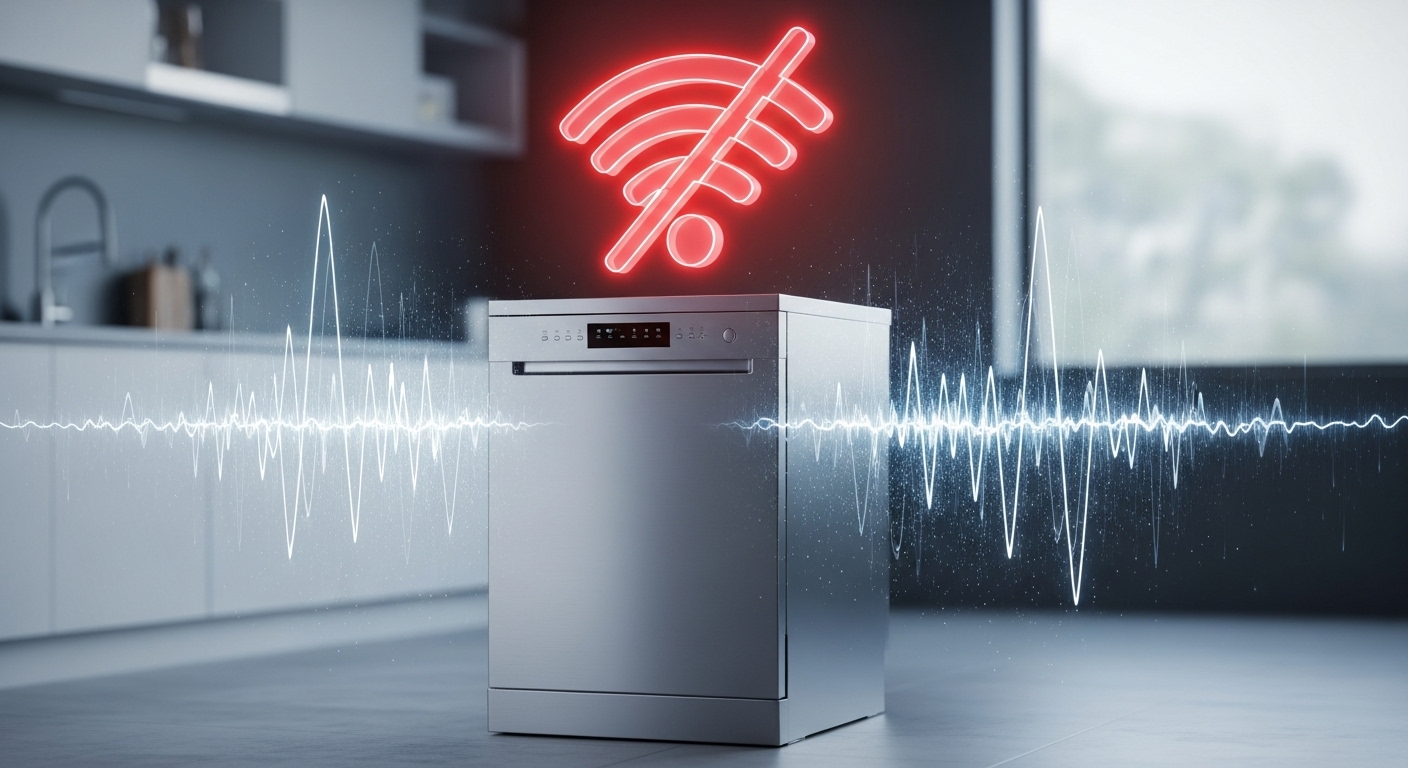
Network configuration represents the most frequent source of smart appliance problems in Maple Ridge homes. Many smart appliances only support older 2.4GHz Wi-Fi bands while modern routers default to 5GHz networks for better performance. This compatibility mismatch creates scenarios where homeowners assume their appliances are defective when the issue actually lies in network settings. Additionally, mesh network systems and Wi-Fi extenders can create connection inconsistencies that cause appliances to randomly disconnect or operate erratically.
Physical placement significantly affects connectivity reliability for smart appliances throughout the home. Devices installed near metal surfaces, concrete foundations, or in basements often experience signal interference that disrupts network communication. Distance from wireless routers also plays a crucial role, particularly in larger homes where appliances in garages or utility rooms may struggle to maintain stable connections. These environmental factors create intermittent problems that can be incredibly frustrating to diagnose without specialized knowledge.
Software and firmware issues constitute another major category of connectivity-related problems. Smart appliances rely on regular software updates to maintain compatibility with evolving smart home platforms and security protocols. However, these updates can occasionally introduce bugs or compatibility conflicts that cause appliances to malfunction. Unlike traditional appliances that could operate for decades without software changes, smart appliances require ongoing digital maintenance to function properly.
Diagnostic Challenges and Repair Complexity
The diagnostic process for smart appliances has evolved into a sophisticated blend of traditional mechanical troubleshooting and modern IT support. This transformation creates significant challenges for both technicians and homeowners, as problems can stem from hardware failures, software glitches, network issues, or complex interactions between multiple systems. Understanding these diagnostic complexities helps explain why smart appliance repairs often cost more and take longer than traditional fixes.
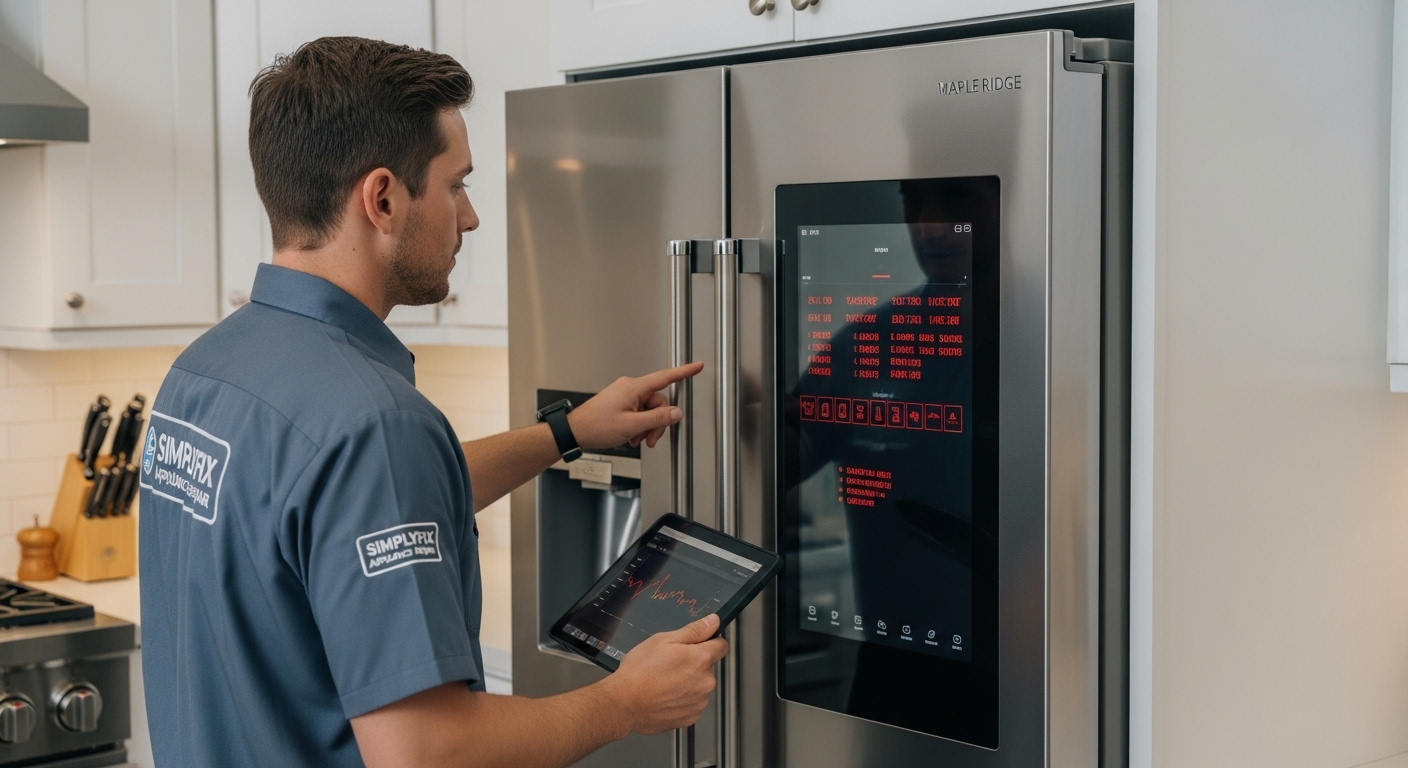
Error code systems in modern smart appliances provide detailed diagnostic information, but interpreting this data requires specialized knowledge and tools. Instead of simple blinking lights or basic numeric displays, contemporary appliances use manufacturer-specific alphanumeric codes that can indicate everything from sensor malfunctions to communication failures. Samsung appliances might display cryptic combinations like ‘5E’ for sensor problems, while Whirlpool uses codes like ‘F21’ for drainage issues. These codes can indicate mechanical problems, software conflicts, or network communication failures, requiring technicians to understand multiple diagnostic approaches.
Professional diagnostic software has become essential for accurate smart appliance repair, but these tools represent significant investments for repair services. Specialized diagnostic equipment can connect to appliances via Bluetooth or Wi-Fi to run comprehensive system tests, analyze performance data, and provide real-time feedback on operational status. 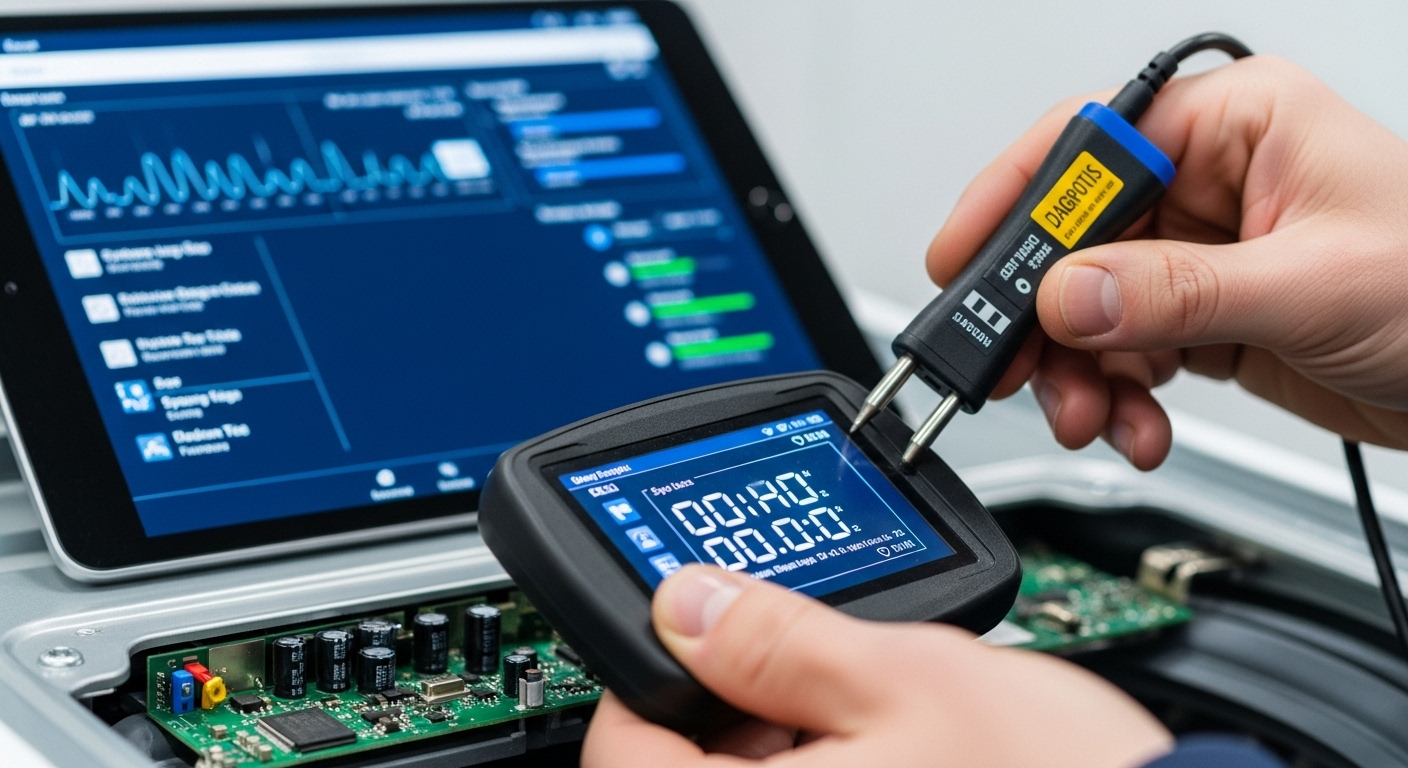 Advanced diagnostic platforms use algorithms to interpret appliance data and provide immediate problem identification, but they require ongoing licensing fees and regular training updates that increase overall service costs.
Remote diagnostic capabilities offer both opportunities and challenges for repair services. Many smart appliances can transmit error codes and performance data directly to manufacturers or authorized service centers, potentially expediting repair processes. However, accessing these remote diagnostic systems requires proper authorization and connectivity to proprietary manufacturer networks. While remote diagnosis can reduce the need for initial service visits, it also means that repair services must invest in cloud-based diagnostic platforms and maintain relationships with multiple manufacturer databases.
Cost Implications and Service Challenges
The evolution toward smart appliances has fundamentally altered the economics of appliance repair, creating cost structures that often surprise homeowners. Traditional appliance repair typically involved straightforward mechanical diagnosis and parts replacement, with predictable labor costs and readily available components. Smart appliance repair introduces layers of complexity that affect everything from diagnostic time to parts availability, ultimately driving up repair costs significantly.
Specialized training requirements for smart appliance technicians create a premium service market that didn’t exist with traditional appliances. Technicians must now understand networking protocols, software troubleshooting, mobile app integration, and IoT security alongside their mechanical expertise. This expanded skill set requires ongoing education and certification, costs that repair services pass along to customers. The limited number of technicians with these combined qualifications also creates supply constraints that drive up service rates across the Maple Ridge area.
Parts availability and complexity represent another significant cost factor in smart appliance repairs. Traditional appliance components like motors, heating elements, and basic control boards were relatively standardized and widely available. Smart appliance components include sophisticated circuit boards, sensors, and communication modules that are often proprietary to specific manufacturers. These specialized parts typically cost more, have longer lead times, and may require programming or configuration that adds to labor costs.
Warranty complications also affect repair costs for smart appliances in unexpected ways. Traditional warranty coverage focused primarily on mechanical failures, but smart appliance warranties often include complex terms regarding software updates, connectivity requirements, and unauthorized modifications. DIY troubleshooting attempts or using non-authorized repair services can void warranty coverage, leaving homeowners responsible for full repair costs even on relatively new appliances.
Preventive Measures and Smart Solutions
Understanding how to prevent smart appliance problems can save significant money and frustration over the lifespan of connected devices. Unlike traditional appliances that primarily required basic maintenance like cleaning and occasional part replacement, smart appliances benefit from proactive network management, software maintenance, and environmental optimization. Implementing preventive measures early can help avoid many of the costly repair scenarios that plague smart appliance owners.
Network optimization represents the most impactful preventive measure for smart appliance reliability. Ensuring robust Wi-Fi coverage throughout the home, particularly in areas where smart appliances are installed, can prevent the majority of connectivity-related service calls. This might involve upgrading router placement, installing mesh network systems, or configuring dedicated 2.4GHz networks for smart appliances. Regular network maintenance, including firmware updates for routers and periodic password changes, also helps maintain stable connections for connected appliances.
Software maintenance requires a proactive approach that many homeowners overlook. Smart appliances benefit from regular firmware updates, mobile app updates, and periodic system reboots to clear temporary glitches. Monitoring manufacturer communications about software updates and scheduling regular maintenance checks can prevent many software-related problems. Additionally, maintaining updated documentation of model numbers, serial numbers, and warranty information facilitates faster diagnosis when problems do occur.
Environmental considerations play a crucial role in smart appliance longevity and reliability. Proper ventilation, appropriate electrical supply, and protection from electromagnetic interference help maintain both mechanical and electronic components. Understanding how local factors like hard water in certain Maple Ridge neighborhoods can affect both traditional mechanical systems and electronic sensors allows for targeted preventive measures that protect the entire appliance system.
Frequently Asked Questions
How much more expensive are smart appliance repairs compared to traditional appliances?
Smart appliance repairs typically cost 40-60% more than traditional appliance fixes due to the specialized knowledge required for diagnosis and repair. The complexity of diagnosing network connectivity issues, software problems, and electronic component failures requires technicians with expanded skill sets, which commands premium service rates. Additionally, specialized diagnostic tools and proprietary replacement parts often cost more than traditional mechanical components.
Can I troubleshoot smart appliance connectivity problems myself?
Basic connectivity troubleshooting like checking Wi-Fi connections, restarting appliances, and updating mobile apps can often resolve simple issues. However, more complex network configuration problems, firmware conflicts, or integration issues typically require professional diagnosis. Attempting advanced troubleshooting without proper knowledge can void warranties and potentially compromise home network security, making professional service a safer choice for complex problems.
Why do smart appliances seem to break down more frequently than traditional ones?
Smart appliances have more potential failure points because they combine traditional mechanical systems with sophisticated electronics, software, and network connectivity components. While the mechanical reliability may be similar to traditional appliances, the addition of sensors, circuit boards, and communication systems creates additional opportunities for malfunction. Software updates, network changes, and compatibility issues can also cause problems that don’t exist with traditional appliances.
Are smart appliance repairs covered under standard home warranties?
Coverage varies significantly depending on the warranty provider and specific terms. Many standard home warranties cover mechanical components but may exclude software-related issues, connectivity problems, or damage resulting from network security breaches. Smart appliance owners should carefully review warranty terms and consider supplemental coverage that specifically addresses the unique risks associated with connected appliances.
Wrapping Up
Smart appliances offer incredible convenience and efficiency, but they also introduce repair complexities that can create costly surprises for unsuspecting homeowners. The integration of sophisticated technology with traditional mechanical systems requires specialized knowledge, advanced diagnostic tools, and ongoing maintenance approaches that fundamentally differ from conventional appliance care. Understanding these challenges helps homeowners make informed decisions about smart appliance investments and maintenance strategies.
When smart appliance problems arise in your Maple Ridge home, Simplyfix offers the specialized expertise needed to diagnose and repair these complex systems effectively. Our technicians combine traditional appliance repair knowledge with modern smart technology troubleshooting skills, ensuring your connected appliances receive comprehensive service that addresses both mechanical and digital components for lasting repairs.
Recent Comments