
Ever wonder why that expensive smart refrigerator suddenly stopped working after last month’s storm, or why your washing machine seems to be acting weird for no apparent reason? The culprit might be lurking in your walls right now – power surges that are silently wreaking havoc on your appliances throughout Maple Ridge homes. Picture this: you’re chilling at home in Silver Valley on a typical Tuesday evening when the lights flicker for just a split second. You barely notice it, maybe thinking it’s just BC Hydro doing their thing. But what you don’t realize is that tiny electrical hiccup might have just shaved months or even years off the life of every electronic device in your house. It’s like having invisible electrical gremlins systematically destroying your stuff, and honestly, it happens way more often than anyone wants to admit. The thing about power surges in Maple Ridge is that they’re not always the dramatic, movie-style lightning strikes that fry everything instantly. More often, they’re these sneaky little voltage spikes that happen when your neighbor’s heat pump kicks on, when there’s a minor grid fluctuation, or even when your own appliances cycle on and off throughout the day. These mini electrical events are like death by a thousand cuts for your expensive electronics – each one causing a tiny bit of damage that eventually adds up to complete failure.
Key Outtakes:
- Maple Ridge homes experience approximately 20 power surges daily, with most being small internal surges from appliances cycling on and off
- Modern smart appliances are 58% more vulnerable to electrical damage compared to older, simpler models due to their complex electronic components
- BC Hydro reported record-breaking power outages affecting over 1.4 million customers in 2024, dramatically increasing surge risk across the province
- Most homeowner insurance policies don’t cover power surge damage unless you have specific equipment breakdown coverage
- Whole-home surge protectors combined with point-of-use devices provide the most comprehensive protection against Maple Ridge’s unique electrical challenges
Understanding Power Surges and Their Hidden Impact on Maple Ridge Homes
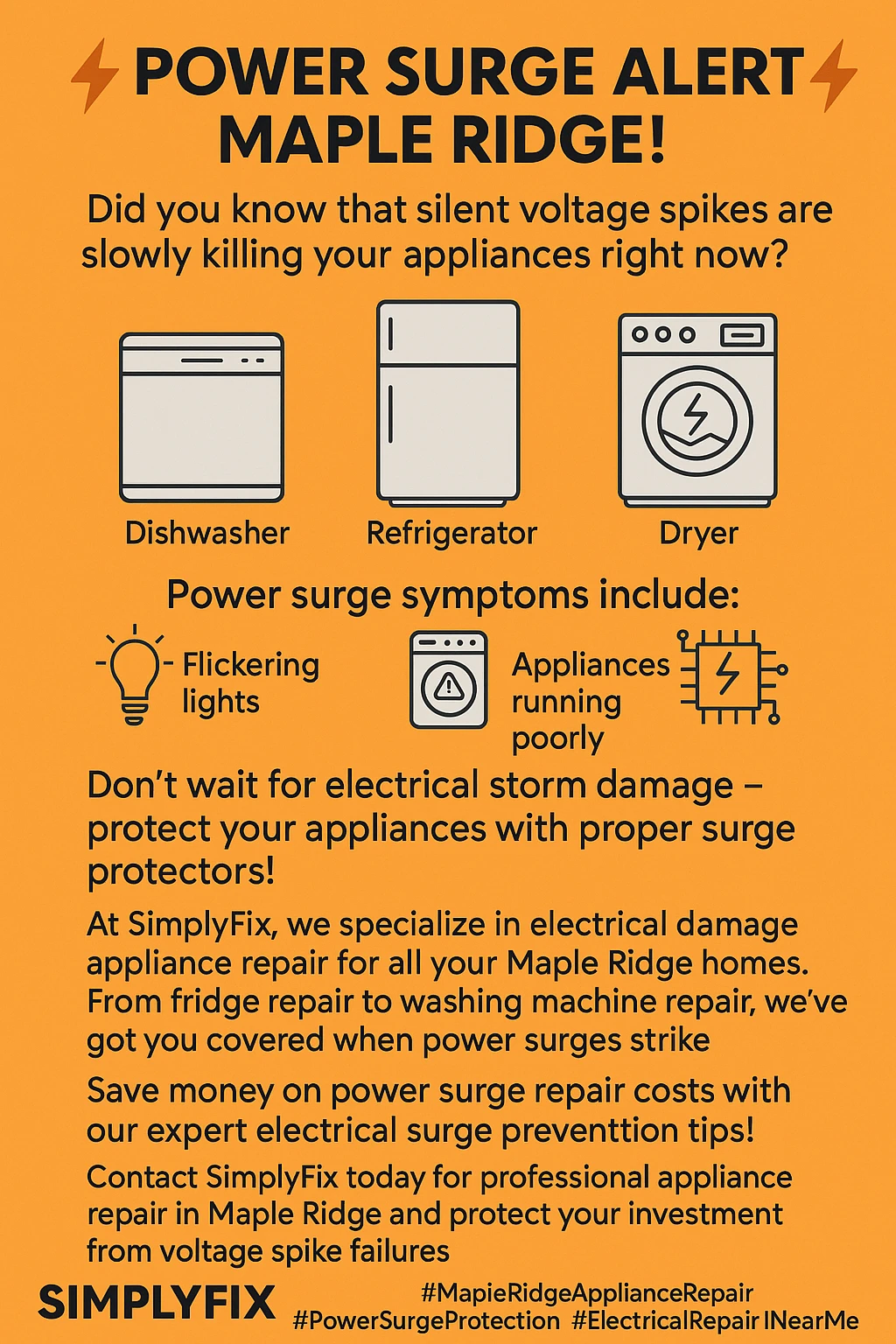
Let’s get real about what’s actually happening in your home right now. Power surges are essentially spikes in voltage that exceed the normal 120-volt electrical supply that flows through your walls. In North America, our electrical systems deliver power through alternating current that oscillates between 0 and 169 volts in a predictable rhythm. When a power surge occurs, that voltage suddenly jumps way above the 169-volt peak, and that’s when the trouble starts. Here’s the scary part – your Maple Ridge home is experiencing these voltage spikes about 20 times every single day. Most of these aren’t caused by lightning strikes or major grid failures. Instead, they’re created right inside your own house when large appliances like your air conditioner, refrigerator, or electric dryer suddenly demand more power or shut off. It’s like having tiny electrical earthquakes happening in your walls constantly, and each one puts stress on the delicate electronic components inside your modern appliances. What makes this particularly concerning for residents in neighborhoods like Thornhill and Cottonwood is that our coastal location creates unique electrical challenges. The salt air from our proximity to the Fraser River and Pacific Ocean gradually corrodes electrical connections throughout your home’s wiring system. This corrosion makes appliances even more vulnerable to voltage spikes because compromised connections can’t handle electrical stress as effectively. When surges hit homes with aging electrical infrastructure, the damage can be significantly more severe than in newer construction with pristine wiring. 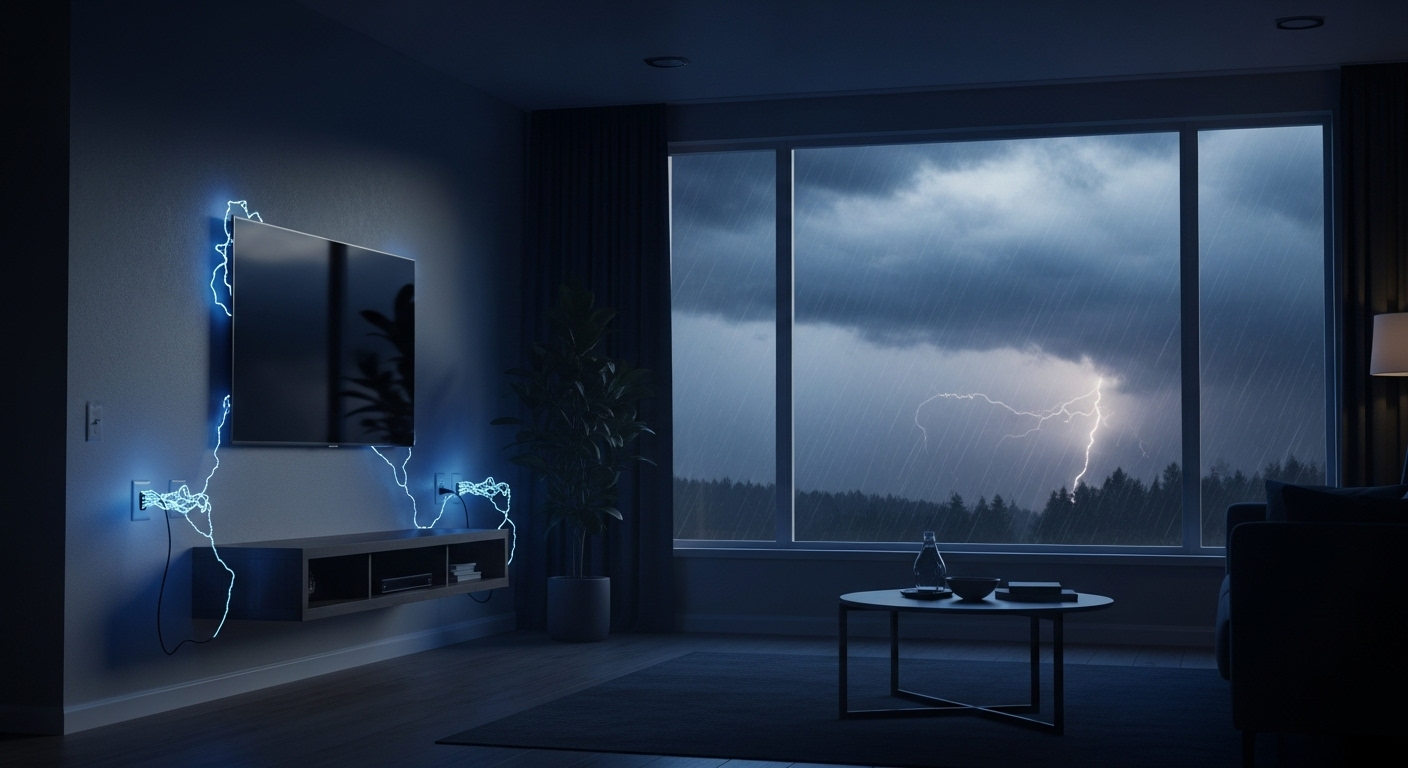
Why Modern Appliances Are Sitting Ducks for Electrical Damage
The appliances in your kitchen and laundry room today are fundamentally different from what your parents had growing up. Where older appliances relied on simple mechanical switches, timers, and basic motors, today’s smart appliances are essentially sophisticated computers disguised as household equipment. Your connected refrigerator, Wi-Fi enabled washing machine, and touchscreen dishwasher all contain delicate circuit boards, sensors, and control systems that make them incredibly vulnerable to electrical fluctuations. 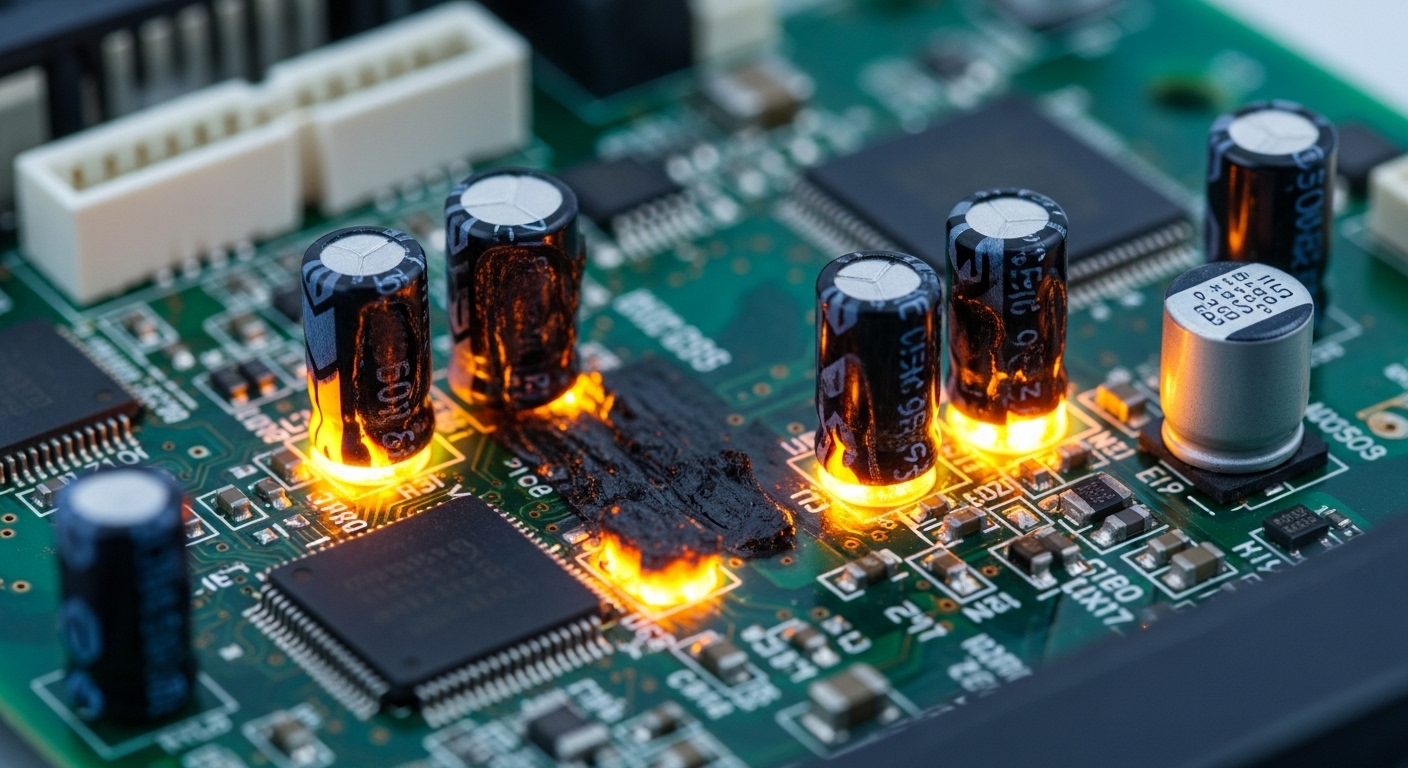 Statistics from electrical manufacturers show that modern appliances with computer controls and smart features have failure rates that are 58% higher than their simpler predecessors. This isn’t just bad luck or planned obsolescence – it’s the inevitable result of packing sensitive electronics into devices that have to operate in the harsh electrical environment of residential homes. Every time your smart TV updates its software, your refrigerator connects to the internet, or your washing machine’s control board processes a new cycle selection, these systems are exposed to potential electrical damage from voltage variations. The National Electrical Manufacturers Association has found that between 60% to 80% of damaging surges actually originate inside homes when large appliances cycle on and off. Think about what happens in your Albion neighborhood home during a typical evening: the dishwasher starts its cycle, the heat pump kicks in, someone turns on the electric dryer, and the hot water heater fires up. Each of these events creates a small power surge that ripples through your electrical system, gradually wearing down the electronic components in every connected device. Smart home integration compounds these vulnerabilities exponentially. When appliances are connected to your home network, electrical surges can travel through multiple pathways – not just through power lines, but also through ethernet cables, Wi-Fi connections, and even cable TV lines. A surge that enters your home through any of these pathways can potentially damage multiple devices simultaneously, turning a single electrical event into a household-wide disaster that affects everything from your router to your smart thermostat.
The Accumulative Nature of Surge Damage in Maple Ridge Electrical Systems
Understanding how surge damage accumulates over time is crucial for Maple Ridge homeowners because it explains why appliances seem to fail randomly and why preventive protection is so much more cost-effective than reactive repairs. Unlike lightning strikes that cause immediate, catastrophic failure, most residential surge damage happens gradually through repeated small voltage spikes that stress electronic components beyond their design limits. Each minor power surge causes what electrical engineers call “junction degradation” in semiconductor components. Imagine it like repeatedly bending a paper clip – the first few bends don’t break it, but each bend weakens the metal until it eventually snaps with very little additional stress. Your appliances’ control boards, capacitors, and integrated circuits undergo the same process when exposed to repeated voltage fluctuations, gradually losing their ability to function properly until they fail completely. The coastal humidity and salt air that characterizes our Fraser Valley location accelerates this degradation process significantly. BC Hydro’s claims process doesn’t typically cover surge damage, which leaves homeowners fully responsible for replacement costs when their appliances fail prematurely. What makes this particularly frustrating is that surge-damaged appliances often develop intermittent problems that are difficult to diagnose – your dishwasher might work perfectly for weeks before suddenly refusing to start, or your refrigerator might maintain proper temperatures most of the time but occasionally allow food to spoil. The financial impact of accumulated surge damage becomes clear when you consider that the average Maple Ridge home contains approximately $15,000 worth of surge-sensitive electronics and appliances. Recent storms affecting North Vancouver and surrounding areas caused surge damage estimated at $300,000 across just 33 homes, averaging almost $10,000 per household in destroyed appliances and electronics. These weren’t million-dollar mansions with exotic equipment – they were typical family homes with standard appliances that happened to be unprotected when electrical conditions turned hostile.
Recognizing the Warning Signs Before Complete Appliance Failure
The tricky thing about surge damage is that it rarely announces itself with dramatic sparks or obvious failures. Instead, it manifests as subtle changes in appliance behavior that most homeowners dismiss as normal aging or minor quirks. Learning to recognize these early warning signs can save thousands of dollars by identifying problems before they progress to complete system failure. One of the most common early indicators is appliances that seem to have developed personalities of their own. Your smart TV might start resetting itself randomly, losing your saved settings and requiring you to reconnect to Wi-Fi networks. Your microwave’s digital display might flicker occasionally, show incorrect times, or fail to respond to button presses consistently. These seemingly minor glitches often indicate that control circuits have been damaged by voltage spikes and are struggling to maintain normal operation. Kitchen appliances with digital controls are particularly susceptible to surge-related issues that homeowners often mistake for normal wear and tear. Your dishwasher might start leaving dishes wetter than usual, not because the heating element has failed, but because surge damage to temperature sensors is preventing the drying cycle from operating correctly. Similarly, your refrigerator might seem to run more frequently or make unusual noises as damaged control circuits force the compressor to work harder to maintain proper temperatures.
Electrical System Warning Signs Throughout Your Home
Beyond individual appliance symptoms, there are household-wide indicators that your electrical system is experiencing surge-related stress. Lights that flicker when large appliances turn on suggest that your electrical panel or wiring may not be adequately handling power demands, creating conditions where surges are more likely to cause damage. Circuit breakers that trip occasionally without an obvious overload condition might indicate that electrical components are deteriorating due to repeated voltage stress. HVAC systems provide particularly clear indicators of electrical problems because they contain both large motors and sensitive control circuits. If your heat pump or air conditioning system starts short-cycling – turning on and off more frequently than normal – damaged control boards might be misreading temperature sensors or failing to properly regulate compressor operation. These systems represent significant investments, often costing $10,000 or more to replace, making early detection of electrical problems critically important for protecting your financial investment.
Comprehensive Protection Strategies for Maple Ridge Homeowners
Protecting your home from power surge damage requires a layered approach that addresses both external threats like lightning strikes and internal surges created by your own appliances. The most effective protection strategy combines whole-house surge protection installed at your electrical panel with point-of-use surge protectors for individual high-value devices, creating multiple lines of defense against voltage spikes. Whole-house surge protectors represent the first and most important layer of protection for Maple Ridge homes. These devices install directly at your main electrical panel and are designed to clamp down on large voltage spikes before they can enter your home’s wiring system. Quality whole-house units can handle surge currents of 50,000 to 100,000 amperes, which is sufficient to protect against most lightning-induced surges and major grid fluctuations that occur during storm restoration periods. 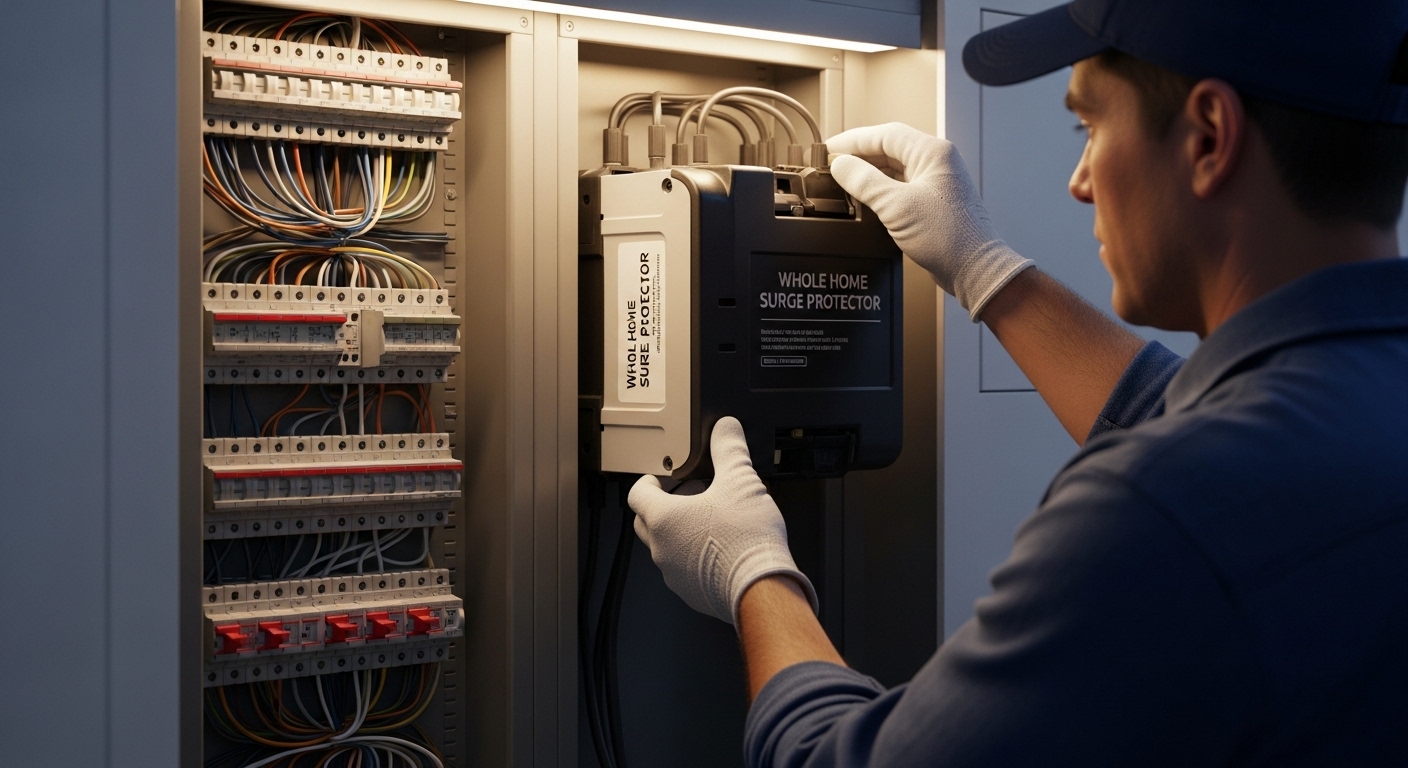 The effectiveness of surge protection depends heavily on proper installation and regular maintenance, which is why working with qualified electrical contractors is essential. Improperly installed surge protectors can actually create additional electrical hazards or fail to provide adequate protection when you need it most. Professional installation ensures that protective devices are properly grounded, correctly sized for your electrical system, and integrated with your existing panel configuration without creating code violations or safety issues.
Choosing the Right Protection for Different Appliance Categories
Different types of appliances require different approaches to surge protection based on their sensitivity levels and replacement costs. High-value electronics like entertainment systems, computers, and smart home hubs benefit from dedicated point-of-use surge protectors that provide more precise voltage regulation than whole-house systems alone. These devices should include features like EMI/RFI filtering to address electrical noise that can interfere with sensitive electronic circuits. Major appliances like refrigerators, washing machines, and HVAC systems require robust surge protection that can handle the high current demands these devices create during normal operation. Standard power strips with basic surge protection are inadequate for these applications – instead, these appliances need dedicated surge protectors rated for their specific electrical requirements and designed to handle both inductive loads and motor startup currents without nuisance tripping.
Insurance Considerations and Financial Protection Planning
Most standard homeowner insurance policies provide limited or no coverage for power surge damage, leaving property owners responsible for full replacement costs when electrical events destroy their appliances and electronics. Understanding your insurance coverage limitations and exploring additional protection options is crucial for comprehensive financial planning against surge-related losses. Equipment breakdown coverage, available as an add-on to most homeowner policies, specifically addresses electrical damage from power surges, voltage fluctuations, and other electrical system failures. This coverage typically costs $50 to $150 annually but can provide protection for tens of thousands of dollars worth of appliances and electronics. However, coverage terms vary significantly between insurance providers, and some policies include substantial deductibles or exclude certain types of equipment from protection. The documentation requirements for surge damage claims can be complex and time-consuming, requiring homeowners to prove that damage resulted from electrical events rather than normal wear and tear or manufacturing defects. Maintaining detailed records of appliance purchase dates, warranty information, and any previous electrical issues can streamline the claims process and improve the likelihood of successful coverage. Professional electrical inspections following major storm events can also provide valuable documentation linking appliance failures to specific surge incidents.
Frequently Asked Questions
How much does whole-house surge protection cost for Maple Ridge homes?
Professional installation of quality whole-house surge protection typically ranges from $400 to $800 for most Maple Ridge homes, depending on your electrical panel configuration and the specific protection level required. This one-time investment protects thousands of dollars worth of appliances and electronics throughout your home. Most installations can be completed in 2-3 hours by qualified electricians, and many units include warranty coverage for connected equipment up to $50,000.
Can I install surge protectors myself or do I need professional electrical work?
While point-of-use surge protectors for individual devices can be installed by homeowners, whole-house surge protection requires professional electrical work due to the complexity of main panel modifications and local code requirements. Improper installation can create serious safety hazards or void equipment warranties. Professional installation also ensures that protective devices are properly coordinated with your home’s existing electrical system and meet current electrical codes.
Do surge protectors need regular maintenance or replacement?
Quality surge protectors include indicator lights or displays that show their operational status, and most units provide several years of reliable protection before requiring replacement. However, surge protectors degrade each time they absorb electrical spikes, eventually losing their effectiveness. Professional electrical inspections can assess surge protector condition and recommend replacement timing based on your specific electrical environment and protection requirements.
Wrapping Up
Power surges pose a constant and often underestimated threat to the expensive appliances and electronics that fill modern Maple Ridge homes. From the subtle daily voltage fluctuations created by cycling appliances to the dramatic spikes caused by coastal storms, these electrical events are systematically damaging the sophisticated control systems that make today’s smart appliances function. Understanding the cumulative nature of surge damage, recognizing early warning signs, and implementing comprehensive protection strategies can save thousands of dollars in premature appliance replacement costs while ensuring your home remains safe and functional through whatever electrical challenges our Pacific Northwest climate throws at us. At Simplyfix, we understand the unique electrical challenges facing Maple Ridge homeowners and provide expert appliance repair services when surge damage does occur. Our experienced technicians can help diagnose electrical damage, recommend appropriate protection strategies, and restore your appliances to reliable operation. Don’t let power surges turn your valuable household investments into expensive paperweights – contact Simplyfix today for professional appliance repair and electrical protection consultation throughout the Fraser Valley.
Recent Comments