
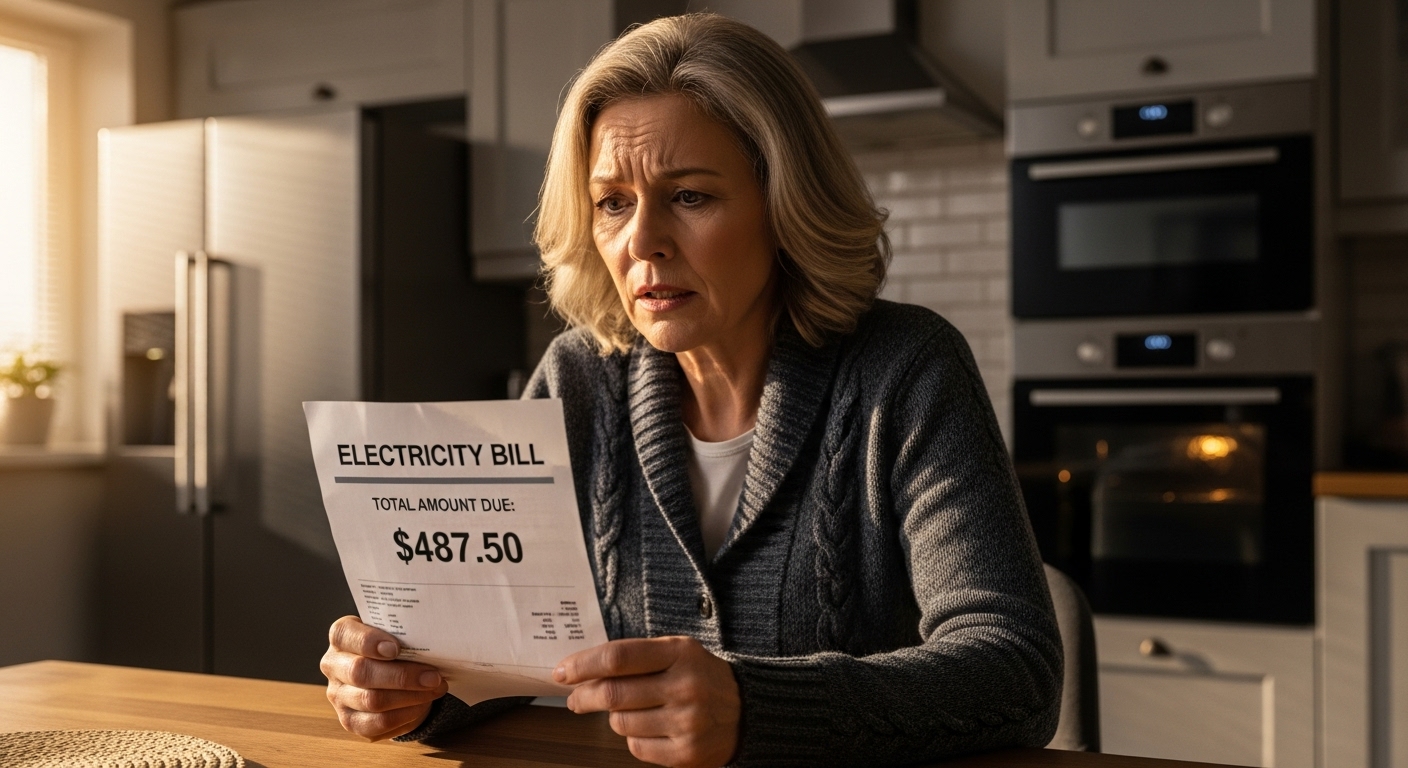
Noticing your appliances suddenly using way more electricity than usual? This unexpected energy spike isn’t just hitting your wallet harder – it’s often your home’s way of screaming that expensive repairs are lurking just around the corner. Picture this: you’re sipping your morning coffee in your cozy Albion kitchen when your latest hydro bill arrives, and the number makes you nearly spit out your brew. Sound familiar? Trust me, as someone who’s been helping homeowners in Maple Ridge tackle these sneaky energy vampires for years, I’ve seen this story play out more times than I can count. That innocent-looking spike in your electricity usage isn’t just a random fluke – it’s actually your appliances sending out an SOS signal that something’s about to go seriously wrong. Here’s the thing that most folks don’t realize: appliances don’t just suddenly break one day without warning. They give you clues, and increased energy consumption is often the first red flag waving frantically in the wind. When your trusty refrigerator starts working overtime or your dishwasher begins guzzling power like it’s training for an energy-eating marathon, these aren’t just quirky personality changes – they’re distress calls that could save you from a major appliance catastrophe.
Key Outtakes:
- Energy spikes often indicate failing components that will lead to complete appliance breakdown within months
- Appliances consume significantly more electricity when compensating for worn-out parts like seals, coils, or motors
- Early detection of energy increases can prevent costly emergency repairs and extend appliance lifespan
- Modern homes lose approximately $165 annually to “vampire” appliances that consume power even when not actively used
- Strategic appliance maintenance and timely replacements can reduce energy consumption by 30-50% compared to failing units
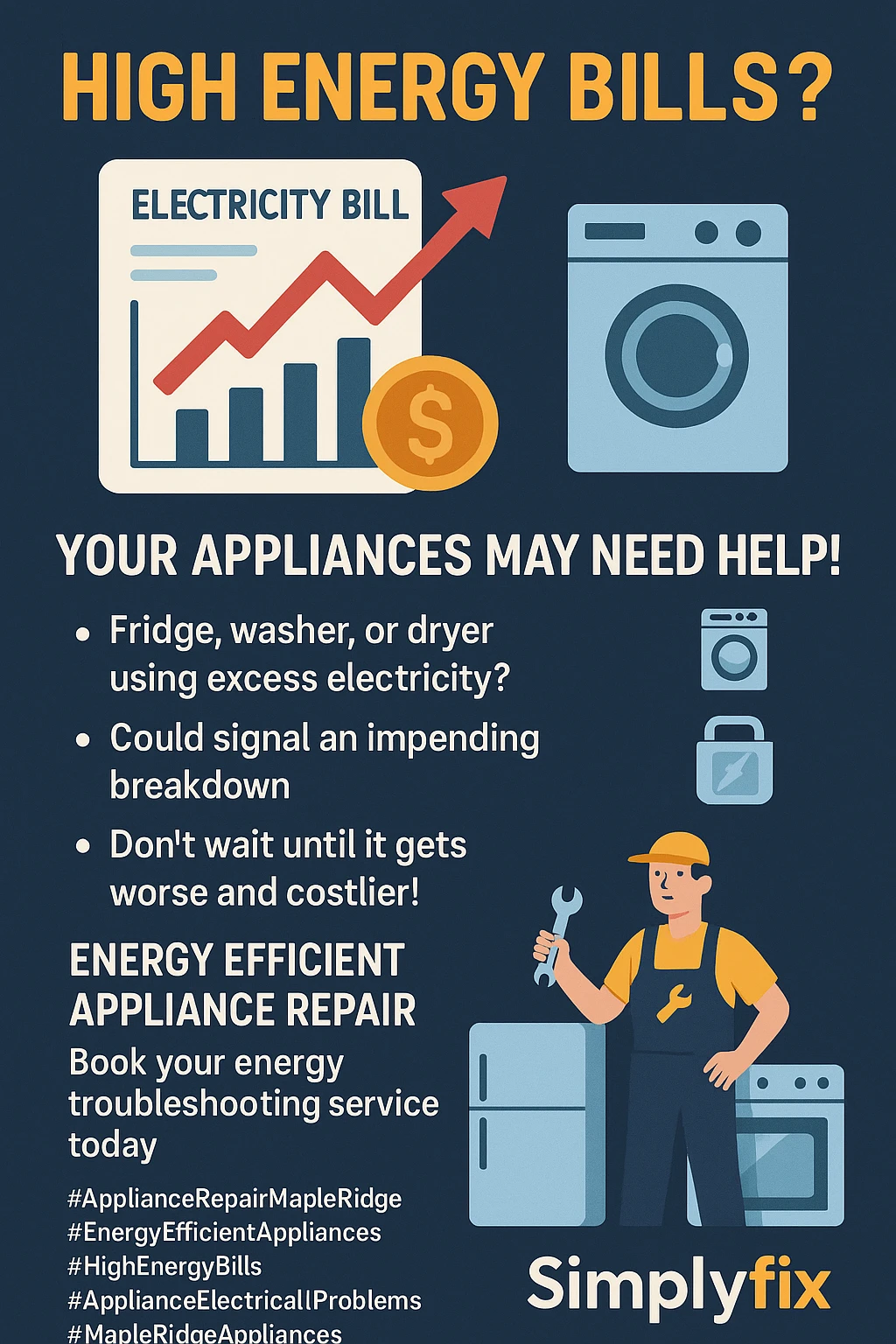
Why Energy Spikes Signal Appliance Distress
 Think of your appliances like athletes – when they’re healthy and well-maintained, they perform efficiently with minimal effort. But when something starts going wrong internally, they have to work twice as hard to achieve the same results, burning through energy like there’s no tomorrow. This phenomenon isn’t just inconvenient; it’s your early warning system for expensive breakdowns that could leave you scrambling for emergency repairs or replacements. The connection between energy consumption and appliance health is surprisingly straightforward. When components start wearing out, appliances lose their efficiency and begin compensating by running longer cycles, working harder, or cycling on and off more frequently. Your refrigerator’s compressor might start running continuously instead of cycling normally, or your washing machine might take multiple attempts to complete a spin cycle properly. What’s particularly sneaky about these energy spikes is that they often develop gradually, making them easy to miss until they become dramatic. You might notice your electricity bill creeping up over several months before realizing that your 15-year-old dryer is now taking twice as long to dry clothes, effectively doubling its energy consumption while slowly cooking its heating elements toward complete failure.
The Hidden Costs of Always-On Energy Waste
Before we dive into specific appliance warning signs, let’s talk about something that’s quietly draining money from households across Hammond and Hazelwood – vampire energy consumption. Even when you think your appliances are “off,” many of them are secretly sipping electricity around the clock, and this behavior becomes dramatically worse as components start failing. Research shows that always-on electricity use by inactive devices represents nearly 23 percent of household electricity consumption, translating to about $165 per year for the average household. But here’s where it gets really concerning – appliances on the verge of breakdown can consume significantly more standby power as their internal systems struggle to maintain basic functions. Your cable box might normally use 16 watts in standby mode, but a failing unit could easily double that consumption while providing increasingly unreliable performance. Modern homes are packed with electronics that continue consuming power even when we think they’re turned off. Televisions, gaming consoles, kitchen appliances, and even that innocent-looking coffee maker all maintain some level of electrical draw to power internal clocks, maintain memory settings, or stay ready for remote activation. When these systems start malfunctioning, their energy consumption can spike dramatically while their performance deteriorates. The financial impact extends beyond just the increased electricity costs. Appliances operating inefficiently put additional strain on your home’s electrical system and can contribute to power quality issues that affect other devices. Plus, that extra heat generated by overworking appliances makes your air conditioning system work harder during summer months, compounding the energy waste.
Refrigerator Warning Signs and Energy Patterns
Let’s start with the appliance that’s probably working harder than any other in your home right now – your refrigerator. This workhorse runs 24/7, and when it starts struggling, the energy consumption spikes can be dramatic and immediate. I’ve seen failing refrigerators double their energy usage in the months leading up to complete breakdown, turning what should be a manageable operating cost into a budget-busting surprise. The most common culprit behind refrigerator energy spikes is worn door seals. When these rubber gaskets lose their ability to create an airtight seal, cold air constantly escapes, forcing your compressor to run almost continuously to maintain temperature. You might notice frost buildup around the door edges or feel cool air leaking out when the door is closed – both clear signs that your fridge is working overtime and burning through electricity unnecessarily. Dirty condenser coils present another major efficiency killer that dramatically increases energy consumption. These coils, typically located on the back or bottom of your refrigerator, release heat from the cooling system. When they’re clogged with dust, pet hair, and debris, your compressor has to work much harder to achieve the same cooling effect. Regular cleaning of these coils can restore efficiency and prevent the energy spikes that often precede compressor failure. Temperature control issues also manifest as significant energy increases. When thermostats start malfunctioning, they may cause the compressor to run constantly or cycle on and off too frequently. Your refrigerator might maintain proper food temperatures initially, but the erratic cycling pattern creates excessive energy consumption that signals impending thermostat failure. If you notice your fridge seems to be running more often than usual, even when usage patterns haven’t changed, it’s time to investigate before facing a complete breakdown. 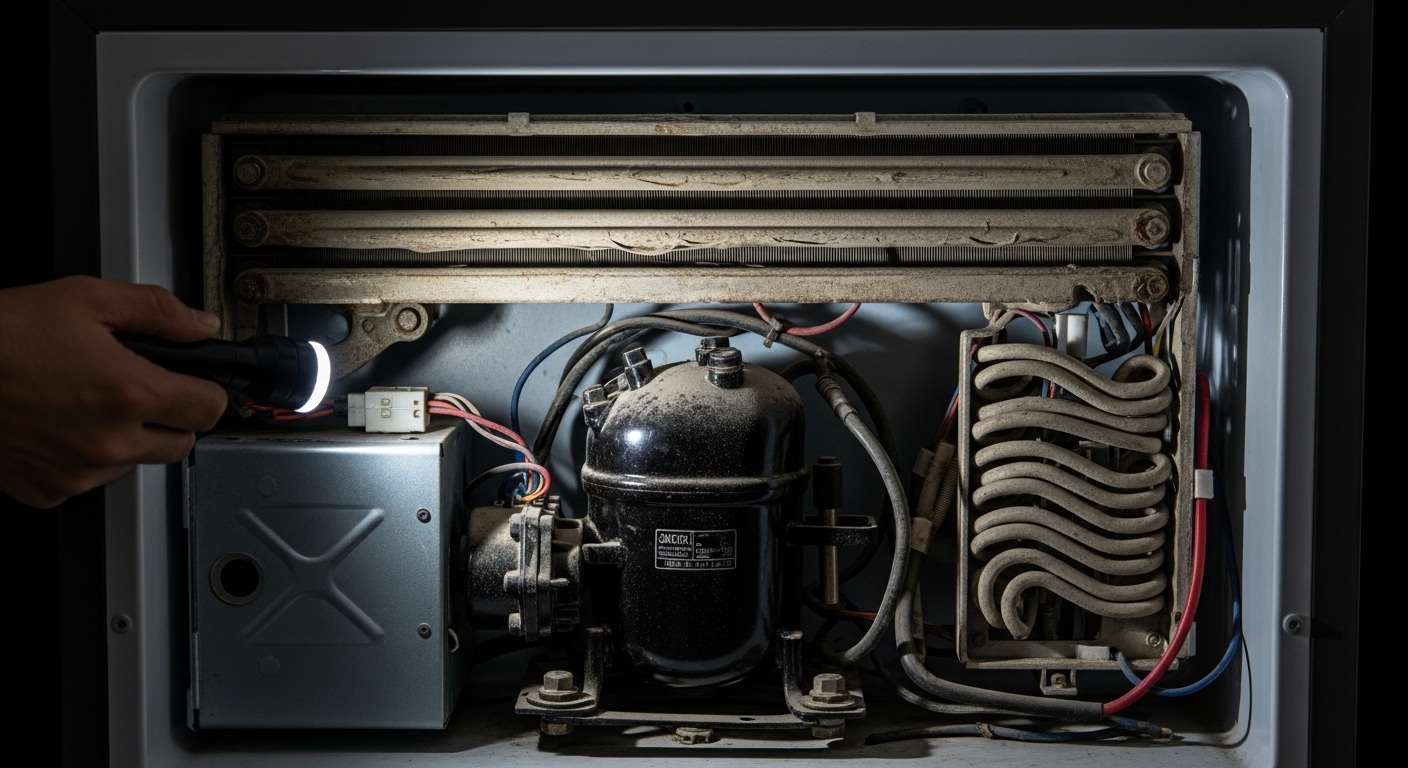
HVAC Systems and Major Energy Consumption Changes
Moving beyond kitchen appliances, your heating, ventilation, and air conditioning system represents the single largest energy consumer in most homes, accounting for nearly half of your total electricity usage. When HVAC systems start failing, the energy spikes can be absolutely shocking – we’re talking about potential increases of 30-50% in your monthly electricity bill as systems struggle to maintain comfortable temperatures. Air conditioning units experiencing refrigerant leaks provide a perfect example of how component failure translates to energy waste. As refrigerant levels drop, your AC system has to run longer and longer cycles to achieve the same cooling effect. The compressor works overtime trying to compensate for the reduced cooling capacity, and energy consumption skyrockets even as your home becomes less comfortable. Many homeowners don’t realize their AC is struggling until they receive a jaw-dropping electricity bill that’s double their normal summer costs. Dirty or clogged air filters create another common cause of HVAC energy spikes. When airflow becomes restricted, your system has to work much harder to circulate air throughout your home. A severely clogged filter can increase energy consumption by 20-30% while reducing system efficiency and shortening component lifespan. The irony is that this completely preventable issue often leads to expensive repairs when the overworked blower motor or compressor finally gives up. Ductwork problems also manifest as dramatic energy increases, particularly in homes with crawl space or attic installations. Disconnected ducts, damaged insulation, or air leaks force your HVAC system to work continuously trying to maintain temperature in spaces that are essentially connected to the outdoors. Proper duct sealing and insulation can reduce energy consumption by significant amounts while preventing the system overwork that leads to premature component failure. 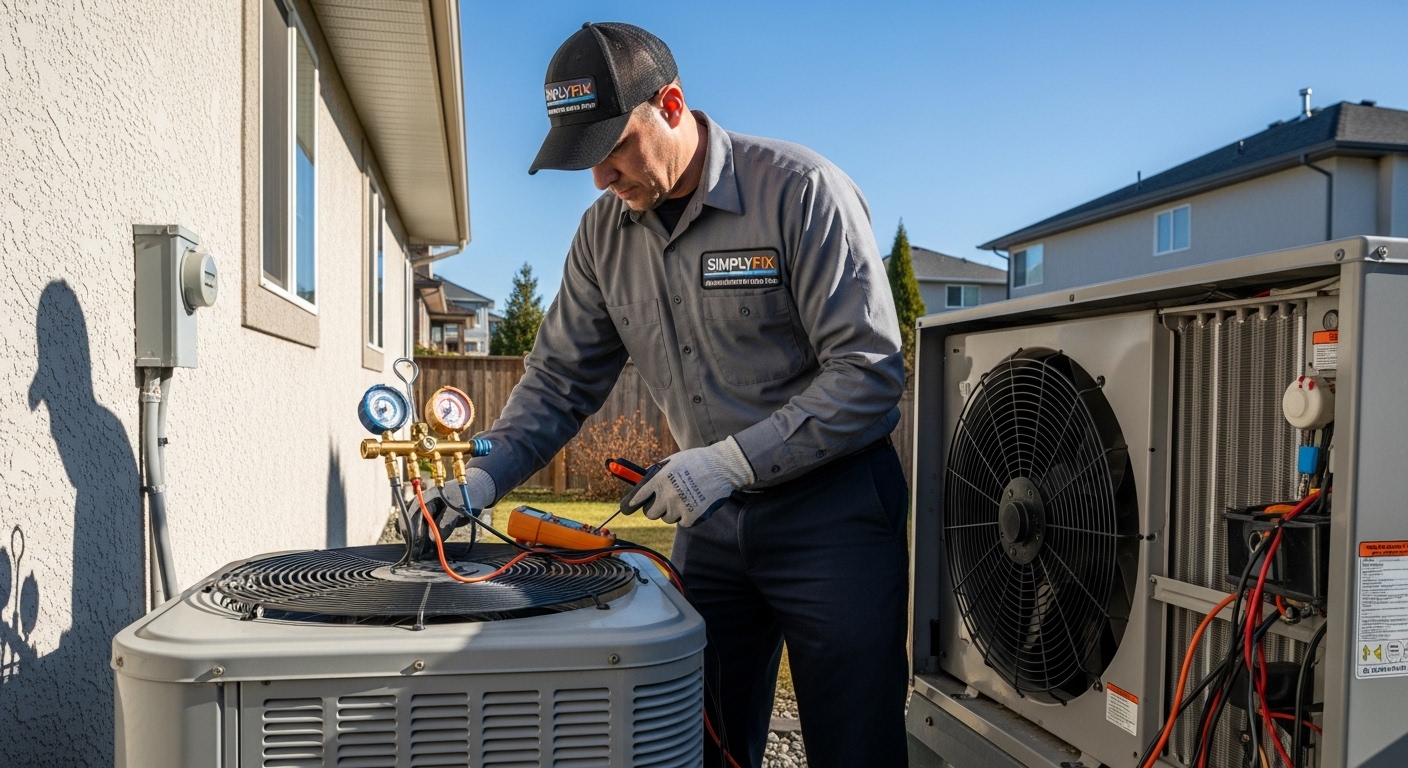
Water Heater Energy Patterns and Failure Predictions
Water heaters might seem like simple appliances, but they’re actually sophisticated systems that can provide clear energy consumption warnings before major failures occur. Since water heating typically represents the second-largest energy expense in most homes, changes in your water heater’s efficiency can significantly impact your electricity bills while signaling expensive repairs ahead. Sediment buildup in the tank bottom creates one of the most common causes of water heater energy spikes. Over time, minerals from your water supply settle at the bottom of the tank, creating an insulating layer between the heating elements and the water. This forces the elements to work longer and hotter to achieve the same water temperature, dramatically increasing electricity consumption while accelerating element failure. You might notice that hot water takes longer to arrive at faucets or that water temperature seems inconsistent – both signs that your system is working harder than necessary. Failing heating elements also create distinctive energy consumption patterns. A partially failed element might still provide hot water but consume significantly more electricity to do so. These elements often fail gradually, starting with reduced heating capacity that forces longer heating cycles. Eventually, the element fails completely, leaving you with cold water and an expensive repair bill that could have been anticipated by monitoring energy usage patterns. Tank insulation problems become increasingly common as water heaters age, particularly in units installed in unheated spaces like garages or basements. When insulation deteriorates, the tank loses heat constantly, forcing the heating system to cycle more frequently to maintain temperature. This increased cycling not only wastes energy but also puts additional wear on components that can lead to premature failure of thermostats, elements, or even the tank itself.
Frequently Asked Questions
How much should my electricity bill increase before I worry about appliance problems?
Any unexplained increase of more than 10-15% in your monthly electricity usage warrants investigation, especially if your usage patterns haven’t changed significantly. Even smaller increases can signal developing problems if they persist over multiple billing cycles. The key is establishing a baseline of normal consumption and then watching for deviations that can’t be explained by weather changes, increased usage, or rate adjustments. Keep in mind that seasonal variations are normal – your summer bills will naturally be higher due to air conditioning, and winter bills may spike due to heating demands. However, if your summer cooling costs suddenly jump 30% compared to the same month last year, that’s a clear sign that your AC system may be struggling with efficiency problems that will likely lead to expensive repairs.
Can smart home monitoring help me catch these energy spikes early?
Absolutely! Smart energy monitors and individual appliance monitoring devices can provide real-time visibility into your energy consumption patterns that makes it much easier to catch developing problems before they become expensive failures. These systems can alert you when specific appliances start consuming more energy than normal, often weeks or months before you’d notice the change in your electricity bill. Modern smart home systems can even track individual appliance signatures, learning the normal operating patterns of your refrigerator, water heater, or HVAC system and alerting you when consumption patterns change. This early warning capability can save hundreds or even thousands of dollars in emergency repairs by allowing you to address problems proactively rather than reactively.
Should I repair or replace an appliance that’s showing energy consumption spikes?
The decision depends on several factors including the age of the appliance, the severity of the energy increase, and the cost of repairs versus replacement. As a general rule, if repair costs exceed 50% of the replacement cost for an appliance that’s more than halfway through its expected lifespan, replacement usually makes more financial sense. Additionally, newer appliances are significantly more energy-efficient than models from even 10-15 years ago, so the energy savings from replacement can help offset the initial investment. Consider also that appliances showing energy spikes are often experiencing multiple component failures, not just single issues. Fixing one problem may provide temporary relief, but other components stressed by the initial failure may continue to deteriorate, leading to additional repair costs down the road.
Wrapping Up
Energy spikes aren’t just random fluctuations in your electricity bill – they’re your appliances’ way of warning you about expensive breakdowns lurking just around the corner. By paying attention to these early warning signs and taking proactive action, you can avoid the stress and expense of emergency repairs while keeping your energy costs under control. Remember, a small investment in maintenance or timely replacement today can save you significantly more money tomorrow, while keeping your home running smoothly year-round. If you’re experiencing unexplained energy spikes or want to get ahead of potential appliance problems in your Maple Ridge home, Simplyfix is here to help. Our experienced team can diagnose efficiency issues, recommend cost-effective solutions, and help you make informed decisions about repairs versus replacements that will save you money in the long run.
Recent Comments