
Hidden Water Damage: How Leaky Appliances Destroy Homes
Worried about mysterious stains appearing on your walls or strange musty odors in your Maple Ridge home? Your innocent-looking dishwasher or washing machine might be silently destroying your house from the inside out, causing thousands in damage you won’t see until it’s too late.
Picture this: you’re living your best life in beautiful Haney, sipping your morning coffee, when suddenly you notice a weird discoloration on your kitchen floor. Or maybe you’re doing laundry in your cozy Albion home and hear an odd dripping sound that definitely wasn’t there before.
Here’s the tea – appliance water damage is like that sneaky friend who borrows your favorite sweater and “forgets” to return it, except way more expensive and potentially dangerous. These seemingly harmless household helpers can turn into home-wrecking villains faster than you can say “insurance claim.” 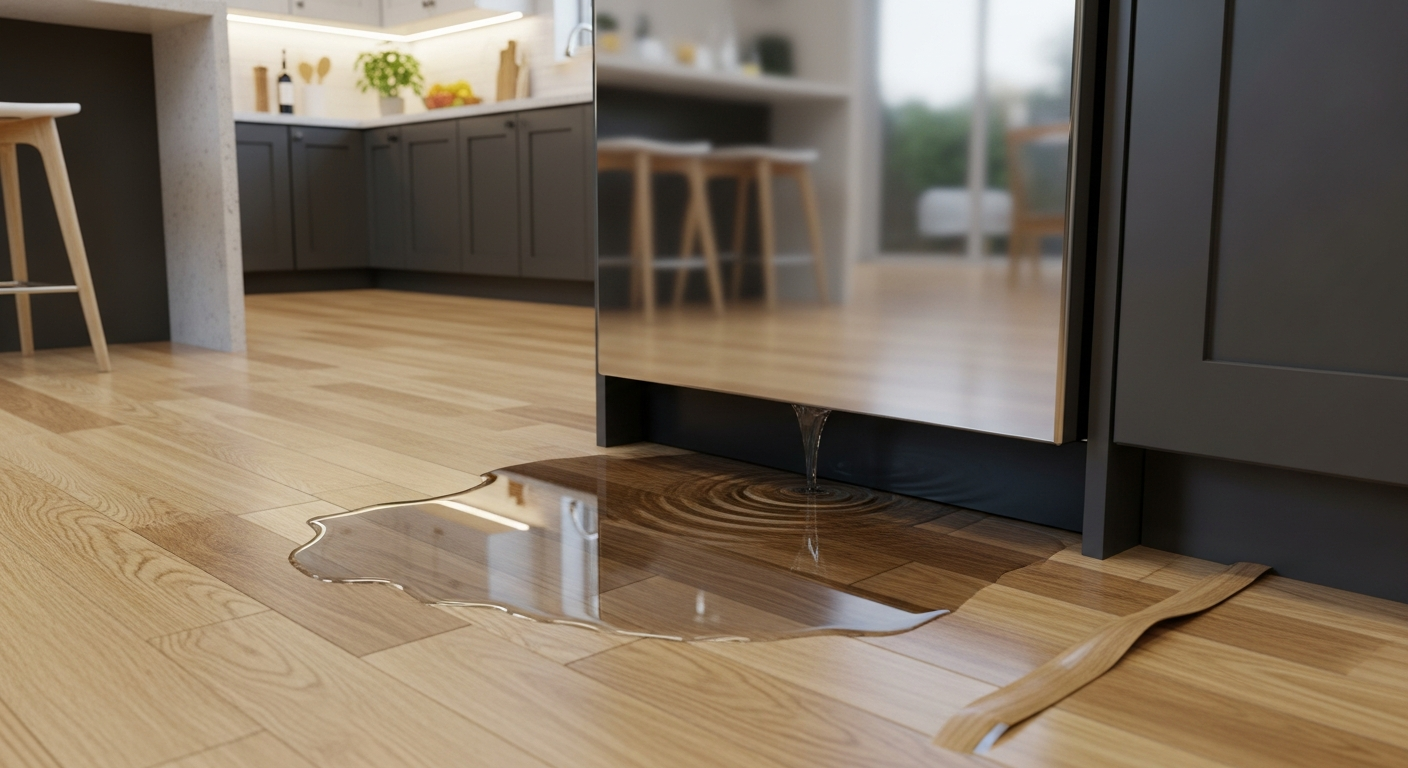
Key Outtakes:
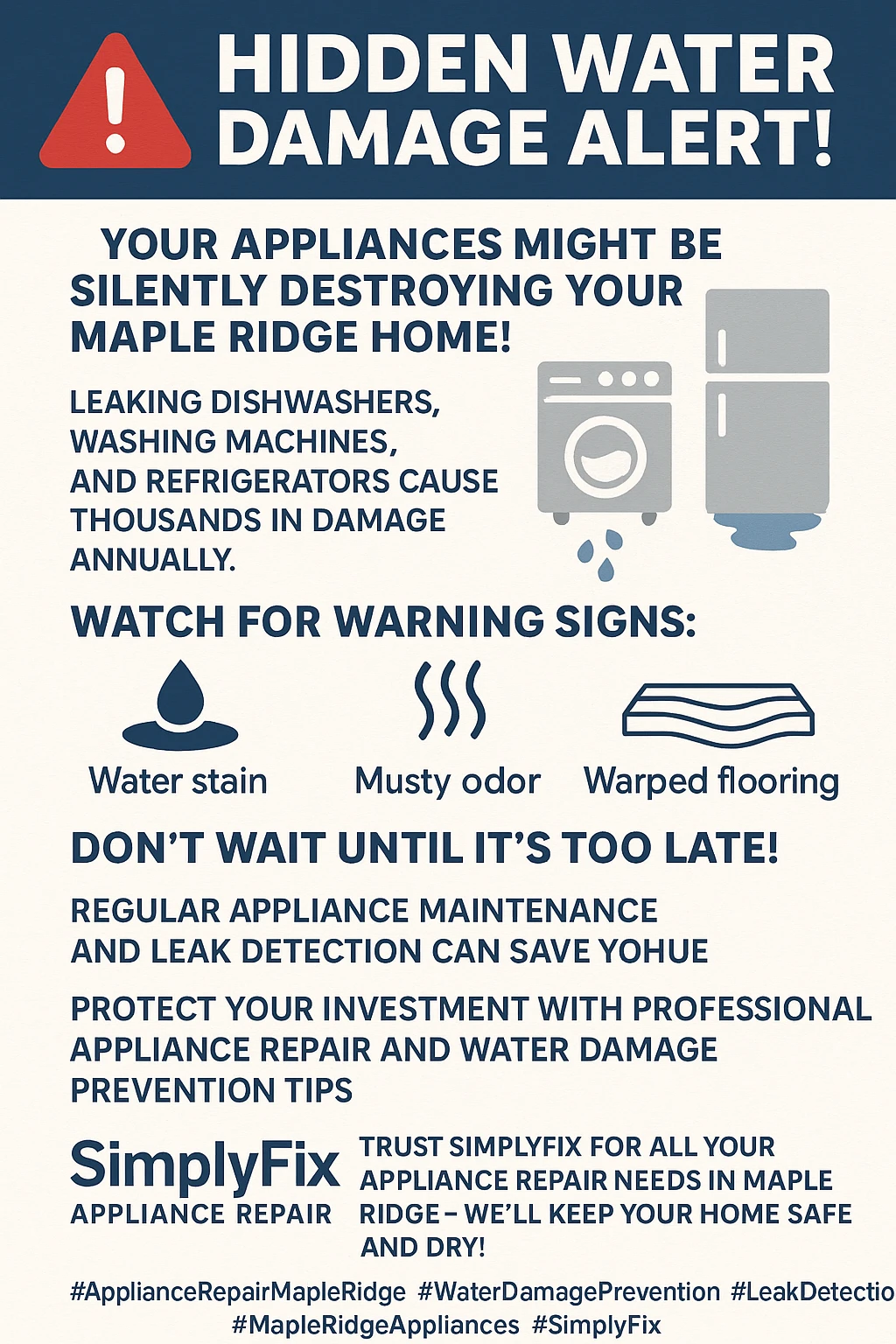
- Appliance leaks cause extensive structural damage, mold growth, and electrical hazards that often remain hidden until major problems develop
- Hard water in Maple Ridge accelerates appliance deterioration and increases the likelihood of catastrophic failures
- Early detection through regular inspections and maintenance can prevent thousands of dollars in repair costs
- Frozen water lines during Maple Ridge winters create additional risks for burst pipes and flooding
- Professional water damage restoration should be contacted immediately when appliance leaks occur
The Silent Destruction of Appliance Water Damage
Let me tell you something that’ll make your homeowner heart skip a beat – appliance water damage is basically the ninja of home disasters. It sneaks in quietly, works its destruction magic behind the scenes, and by the time you notice something’s wrong, it’s already done some serious damage to your wallet and your peace of mind.
The scary truth is that most appliance leaks start small and innocent-looking. Maybe it’s just a tiny puddle under your dishwasher that you wipe up without thinking twice, or a small drip from your washing machine that seems totally manageable. But here’s where things get real – that innocent little leak is like a gateway drug to major home destruction.
Water has this amazing ability to find its way into every nook and cranny of your home’s structure. It seeps through flooring, soaks into drywall, and creates the perfect breeding ground for mold and mildew. Before you know it, what started as a minor appliance hiccup has turned into a full-blown structural nightmare that could cost you thousands to fix.
How Maple Ridge’s Hard Water Accelerates Appliance Failure
Building on the foundation of understanding basic water damage, we need to dive deeper into a unique challenge that Maple Ridge homeowners face daily. Our local water quality plays a massive role in how quickly our appliances deteriorate and ultimately fail, creating perfect conditions for those devastating leaks we just discussed.
Okay, so here’s where living in beautiful Maple Ridge gets a little complicated – our water is harder than a two-dollar steak. Hard water might sound harmless, but it’s basically like sending tiny rock particles through your appliances every single day. These mineral deposits build up inside your dishwasher, washing machine, and water heater like plaque in arteries, slowly but surely choking the life out of your expensive appliances. 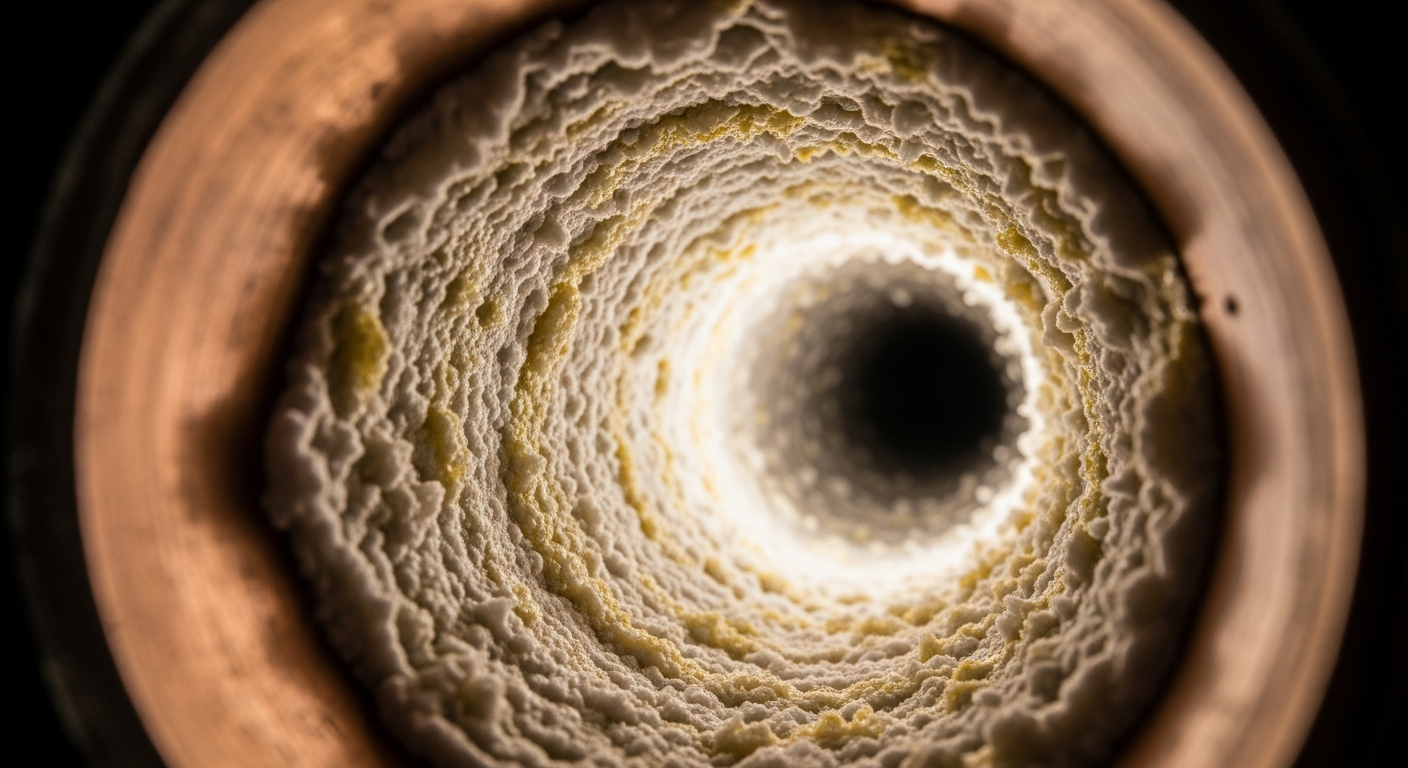
Think of it this way: every time you run a load of dishes or wash your clothes, you’re essentially sandblasting the internal components of your appliances with calcium and magnesium. Over time, this mineral buildup doesn’t just reduce efficiency – it creates weak spots in seals, gaskets, and pipes that are just waiting to give way. The result? Those catastrophic leaks that turn your home into a swimming pool when you least expect it.
What makes this even more frustrating is that hard water damage is completely preventable with the right approach. Water softeners and filtration systems can dramatically extend your appliance lifespan and reduce the risk of sudden failures. But most homeowners don’t realize they need these protections until after they’ve dealt with their first major appliance flood.
Winter’s Double Threat: Frozen Appliance Lines
Now that we understand how hard water sets the stage for appliance problems, we need to talk about how Maple Ridge’s winter weather creates an entirely different set of risks. The combination of compromised appliances from mineral damage and freezing temperatures creates a perfect storm for home disasters that can happen literally overnight.
Winter in Maple Ridge is absolutely gorgeous, but it’s also when your appliances face their biggest challenge of the year. Those picturesque freeze-thaw cycles that make our landscapes so beautiful? They’re basically torture chambers for your appliance water lines. When temperatures drop, the water in your refrigerator’s ice maker line, your dishwasher’s supply line, or your washing machine’s hoses can freeze solid. 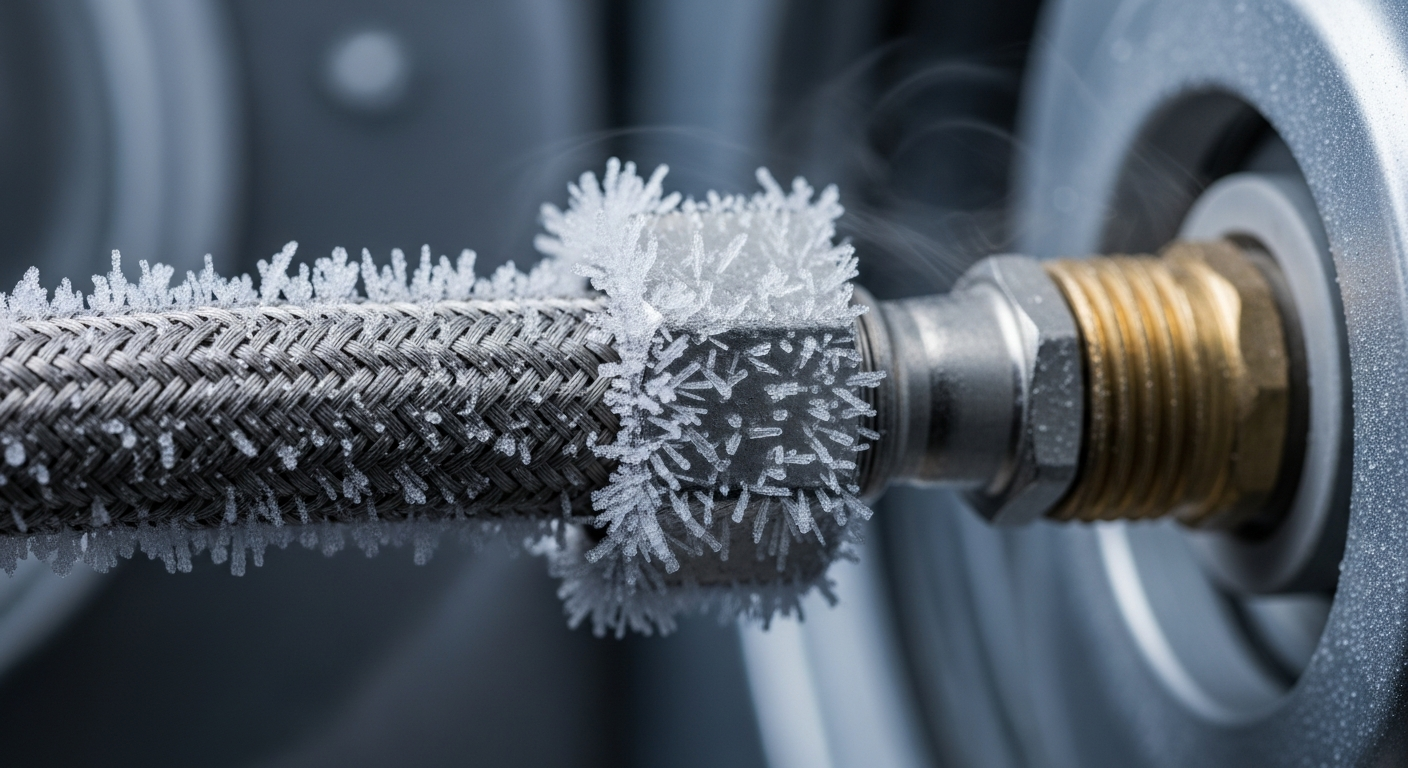
Here’s where physics becomes your enemy – water expands when it freezes, and that expansion has to go somewhere. Usually, it goes through the walls of your pipes and hoses, creating cracks and weak spots that turn into full-blown geysers when the ice melts. I’m talking about the kind of flooding that can damage floors, walls, and everything in between faster than you can say “spring thaw.”
The really sneaky part about frozen appliance lines is that the damage often doesn’t show up immediately. You might not notice anything wrong until you go to use your dishwasher after a cold snap and suddenly find your kitchen flooding like a scene from a disaster movie. By then, what could have been prevented with simple winterization has turned into a major insurance claim.
Prevention Strategies for Winter Protection
The good news is that protecting your appliances from freeze damage doesn’t require a PhD in plumbing. Simple steps like insulating exposed water lines, keeping your home at consistent temperatures, and knowing where your water shutoff valves are located can save you thousands in damage. Regular maintenance checks before winter hits can identify vulnerable spots before they become expensive problems.
For appliances in unheated areas like garages or basements, extra insulation around water lines is absolutely crucial. Even something as simple as foam pipe insulation from the hardware store can make the difference between a functioning appliance and a flooded mess come spring.
Recognizing the Warning Signs Before Disaster Strikes
After understanding the various ways our appliances can fail – from hard water damage to winter freezing – the next crucial step is learning to spot the early warning signs before small problems become major disasters. Being able to identify these red flags can literally save you thousands of dollars and weeks of headaches dealing with restoration companies.
The key to avoiding major appliance water damage is becoming a detective in your own home. Most appliances give you plenty of warning before they completely fail – you just need to know what to look for. Start by checking around your appliances regularly for any signs of moisture, even tiny amounts. That little puddle under your dishwasher isn’t just a spill from loading dishes – it could be the first sign of a failing door seal or loose connection.
Pay attention to changes in your appliances’ performance too. Is your dishwasher taking longer to clean dishes? Are your clothes coming out of the washing machine still soapy? Is your water heater making weird noises it never made before? These aren’t just annoying quirks – they’re often signs that mineral buildup or component wear is creating conditions for future leaks.
Strange odors are another huge red flag that many homeowners ignore. That musty smell near your washing machine or moldy odor around your dishwasher could indicate that water has been leaking behind or under the appliance for weeks or months. By the time you can smell mold, you’re already looking at significant remediation costs.
Monthly Inspection Checklist
Create a simple monthly routine to check each of your major appliances. Look behind and underneath them if possible, checking for water stains, rust, or actual standing water. Examine the water supply lines and hoses for signs of wear, bulging, or mineral deposits. Run your hands along connection points to feel for moisture that might not be visible.
Document any changes you notice with photos and dates. This creates a timeline that can help professional repair services diagnose problems more quickly and might even be useful for insurance claims if problems develop into major damage later.
The Hidden Costs of Delayed Action
Understanding warning signs is only valuable if you’re prepared to act on them quickly. Many homeowners make the costly mistake of postponing appliance repairs, thinking they can live with minor issues or that problems will resolve themselves. This delay between recognizing problems and taking action often transforms manageable repairs into devastating home restoration projects.
Here’s the brutal truth about procrastinating on appliance issues – that $200 repair you’re putting off could easily turn into a $20,000 nightmare if you wait too long. I’ve seen homeowners in areas like Silver Valley deal with what started as a simple washing machine hose replacement turn into complete floor refinishing, drywall replacement, and mold remediation because they figured they could “live with it” for a few more months.
The cost escalation happens faster than you might think. Water damage spreads exponentially – one day you have a small leak affecting a few square feet, and a week later you’re dealing with damage that extends into adjacent rooms. Mold can start growing within 24 to 48 hours of water exposure, and once it takes hold, you’re not just looking at appliance repair anymore – you’re looking at hazmat-level cleanup that requires professional remediation teams.
Insurance companies are also getting pickier about covering water damage that could have been prevented with reasonable maintenance. If an adjuster determines that you ignored obvious warning signs of appliance failure, your claim could be denied entirely. That means you’re on the hook for every penny of damage that could have been prevented with timely action.
Professional Solutions and Emergency Response
When prevention fails and you’re facing active water damage from appliance failure, knowing how to respond quickly can mean the difference between a manageable cleanup and a complete home restoration project. The first few hours after discovering significant water damage are absolutely critical for minimizing long-term consequences and protecting your investment.
The moment you discover significant water damage from an appliance leak, your first priority should be stopping the source. Locate your water shutoff valves – every homeowner should know where these are before an emergency happens. Turn off the water supply to the affected appliance immediately, then shut off electricity to the area if there’s any chance of electrical contact with standing water.
Once you’ve secured the immediate area, contact professional water damage restoration services right away. Companies that specialize in emergency water damage response have the equipment and expertise to extract water quickly, set up proper drying equipment, and prevent mold growth before it starts. The faster professional help arrives, the more of your home and belongings can be saved.
Don’t make the mistake of thinking you can handle major water damage with household fans and towels. Professional restoration requires specialized equipment like industrial dehumidifiers, moisture meters, and antimicrobial treatments that aren’t available to consumers. Trying to DIY major water damage often leads to hidden moisture problems that create expensive issues months later.
Choosing the Right Restoration Company
When selecting emergency water damage services, look for companies that are available 24/7 and can respond quickly to your location. They should have proper certification, insurance, and experience specifically with appliance-related flooding. Ask about their process for documenting damage for insurance claims and whether they work directly with insurance companies to streamline the process.
Frequently Asked Questions
How quickly can appliance water damage spread through my home?
Water damage can spread incredibly fast, especially on lower levels or homes with open floor plans. Within the first hour, water can soak into flooring, baseboards, and lower sections of drywall. After 24 hours, you’re looking at potential structural damage and the beginning of mold growth.
The rate of spread depends on factors like the volume of the leak, the type of flooring, and your home’s construction. Hardwood floors can warp within hours, while carpeting can become completely saturated and require replacement if not addressed immediately.
What should I do immediately when I discover a major appliance leak?
First, shut off the water supply to the leaking appliance and turn off electricity to the area if there’s standing water. Document the damage with photos for insurance purposes, then contact professional water damage restoration services immediately. Move any salvageable items to dry areas and avoid walking through standing water if possible.
Time is absolutely critical in water damage situations. The faster you act, the more of your home and belongings can be saved from permanent damage.
How can hard water in Maple Ridge affect my appliances’ lifespan?
Hard water contains high levels of calcium and magnesium that build up inside appliances over time. This mineral buildup reduces efficiency, clogs internal components, and creates weak spots in seals and gaskets that are prone to failure. Appliances in hard water areas typically fail 2-3 years earlier than those with proper water treatment.
Installing water softeners or filtration systems can dramatically extend appliance life and reduce the risk of catastrophic failures that lead to flooding.
Are there specific risks for appliances during Maple Ridge winters?
Yes, our freeze-thaw cycles create significant risks for appliance water lines. When temperatures drop below freezing, water in supply lines can freeze and expand, cracking pipes and hoses. The damage often doesn’t become apparent until temperatures rise and the ice melts, potentially causing sudden flooding.
Proper insulation of water lines and maintaining consistent indoor temperatures can prevent most freeze-related appliance failures.
Wrapping Up
Hidden water damage from leaky appliances is one of those home ownership nightmares that seems to strike when you least expect it, but the good news is that most of these disasters are completely preventable with the right knowledge and proactive approach. Whether you’re dealing with Maple Ridge’s challenging hard water conditions, preparing for winter freeze risks, or simply want to protect your investment in your Hammond or Webster Corners home, staying ahead of appliance maintenance is your best defense against catastrophic water damage.
If you’re dealing with appliance issues or want to prevent future problems, Simplyfix is here to help Maple Ridge homeowners protect their homes from water damage disasters. Our experienced team understands the unique challenges of our local area and can provide the maintenance, repairs, and preventive solutions you need to keep your appliances running safely and reliably for years to come.
Recent Comments