
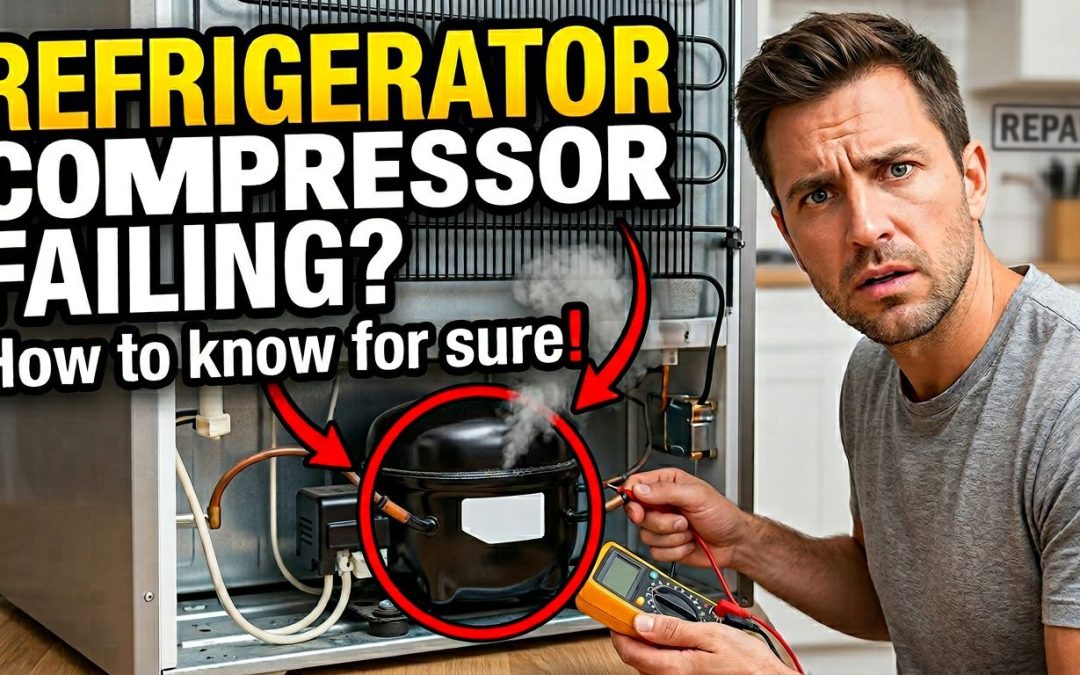
Your refrigerator is reading 54°F when it should be at 38°F, your freezer feels more like a cool drawer than a deep freeze, and nobody wants to open the fridge to find warm milk and soft ice cream. This guide walks you through exactly what a failing refrigerator compressor looks and sounds like, what you can check yourself, and when it’s time to call in a professional. Refrigerators run around the clock, every single day. Most of us don’t think about them until something goes wrong. In Maple Ridge, where older homes are common and families rely heavily on their appliances through every season, a fridge that stops cooling isn’t just inconvenient – it’s a genuine problem that can mean hundreds of dollars in spoiled groceries and a stressed-out household. At Simplyfix, we field calls from homeowners across the area dealing with exactly this situation, often convinced their whole fridge is done when the fix turns out to be simpler than expected. That said, a failing compressor is a serious issue. It’s worth understanding what’s actually happening inside your fridge before you decide whether to repair or replace.
Key takeaways
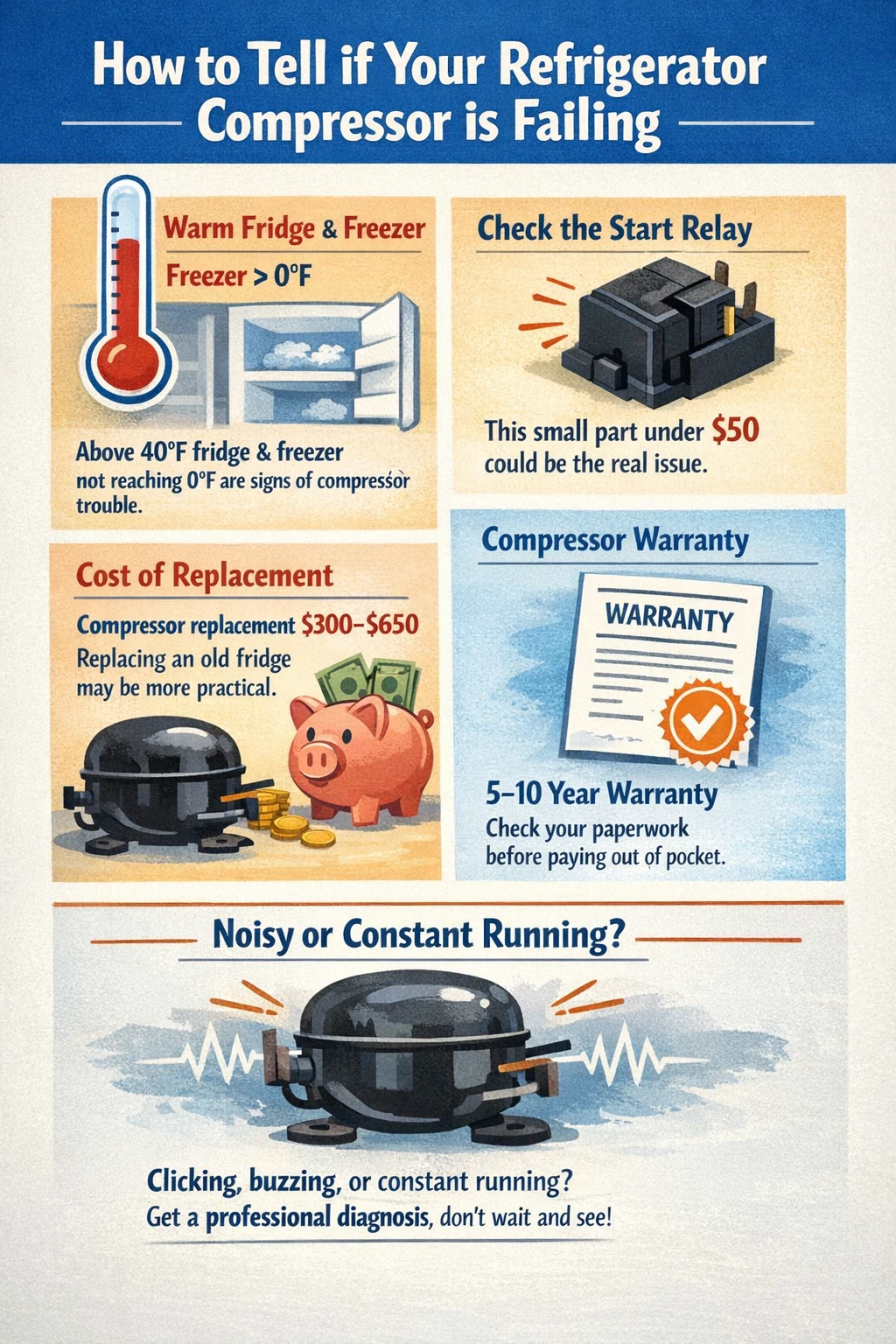
- A warm refrigerator compartment (above 40°F) combined with a freezer that isn’t reaching 0°F is one of the clearest signs the compressor may be struggling.
- Not every compressor diagnosis is accurate – before agreeing to a repair, make sure the technician has physically checked the start relay and condenser coils, not just listened from across the room.
- The start relay is a small, inexpensive component that mimics compressor failure symptoms and can sometimes be replaced for under $50 in parts.
- Compressor replacement costs typically range from $300 to $650 or more for parts and labor, which often makes replacement of the fridge itself the more practical choice for older units.
- Most manufacturers carry a 5 to 10-year warranty on the compressor – check your paperwork before paying for any repair out of pocket.
- Loud clicking, buzzing that won’t stop, or a compressor that runs constantly without cooling are all signs you need a professional diagnosis, not a wait-and-see approach.
What the compressor actually does
The compressor is the engine of your refrigerator’s cooling system. It circulates refrigerant through the sealed system, compressing it so it can absorb heat from inside the fridge and release that heat outside. Without a working compressor, the whole cycle stops. Your fridge becomes an insulated box – and not a particularly useful one. Think of it this way: the compressor is doing the same job as the pump in a fish tank filter. Everything downstream depends on it running properly. When it starts to fail, you’ll usually get warning signs before it quits entirely. That’s actually a good thing – catching those signs early gives you options. In our experience, homeowners often assume the worst the moment their fridge stops cooling. Sometimes it is the compressor. But just as often, it’s a failed start relay, dirty condenser coils, or a faulty thermostat – all much cheaper fixes. A proper diagnosis matters a lot here. 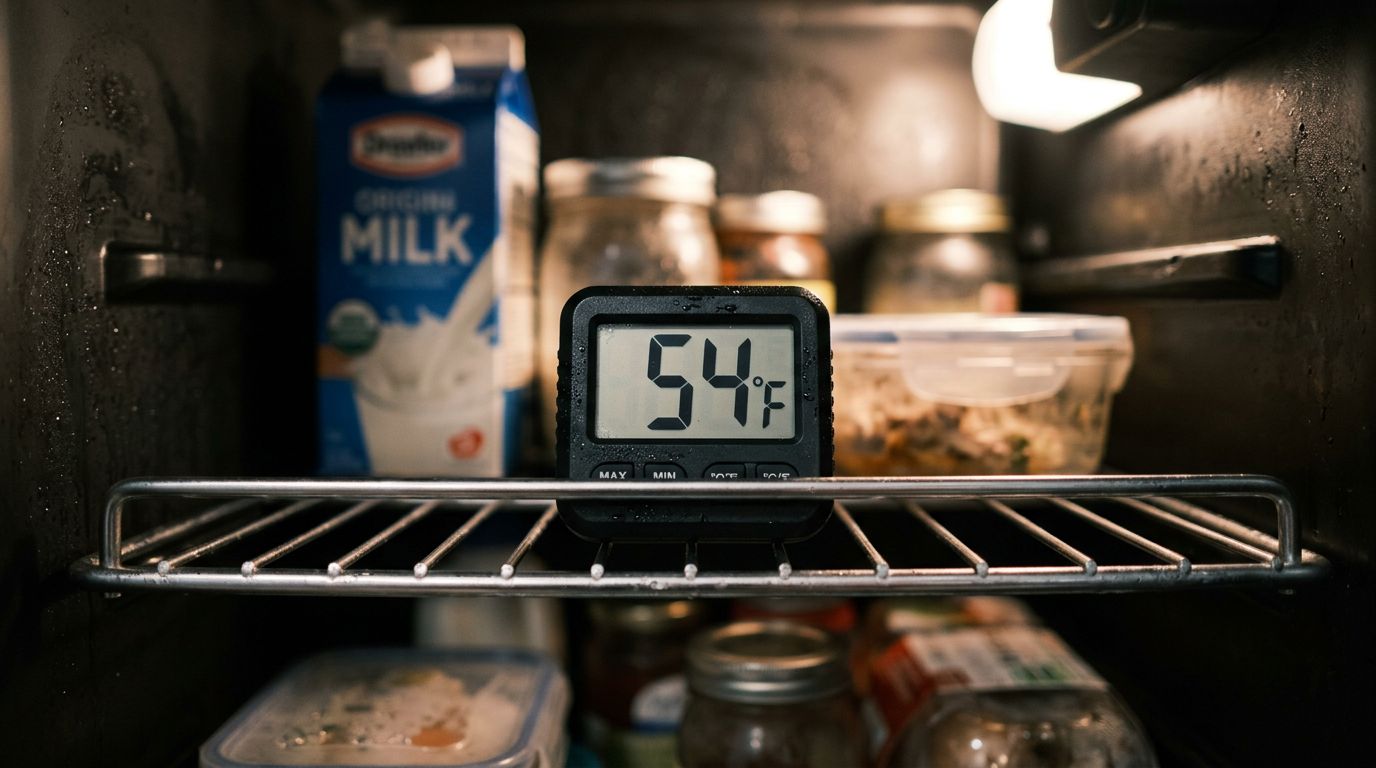
Warning signs your compressor is failing
The most obvious sign is a refrigerator that simply isn’t staying cold. If your food is spoiling before it should, drinks aren’t getting cold no matter how long they’ve been in there, or you’re noticing the fridge section hovering around 50 to 54°F instead of the 35 to 38°F it should be, something is wrong with the cooling system. The compressor is a likely suspect – but not the only one. Here’s what to pay attention to:
The fridge runs constantly but doesn’t cool
A healthy compressor cycles on and off throughout the day. You’ll hear it kick in, run for a while, and then go quiet. If yours never seems to stop running but your food still isn’t cold, that’s the compressor working overtime without results. It could be struggling with a refrigerant issue, failing internal valves, or simply wearing out. A compressor that runs non-stop also drives up your electricity bill – so you may notice that before you notice the temperature change.
Clicking sounds when the compressor tries to start
This one is distinctive. You’ll hear a click, then a brief hum, then silence. A few seconds later, it tries again. Click. Hum. Silence. This pattern – the compressor attempting and failing to start – often points to a bad start relay rather than the compressor itself. The relay is a small component that sits on the side of the compressor and provides the initial jolt of electricity needed to get it running. When the relay fails, it looks and sounds exactly like compressor failure. The good news is that a relay replacement is a fraction of the cost of a compressor job. 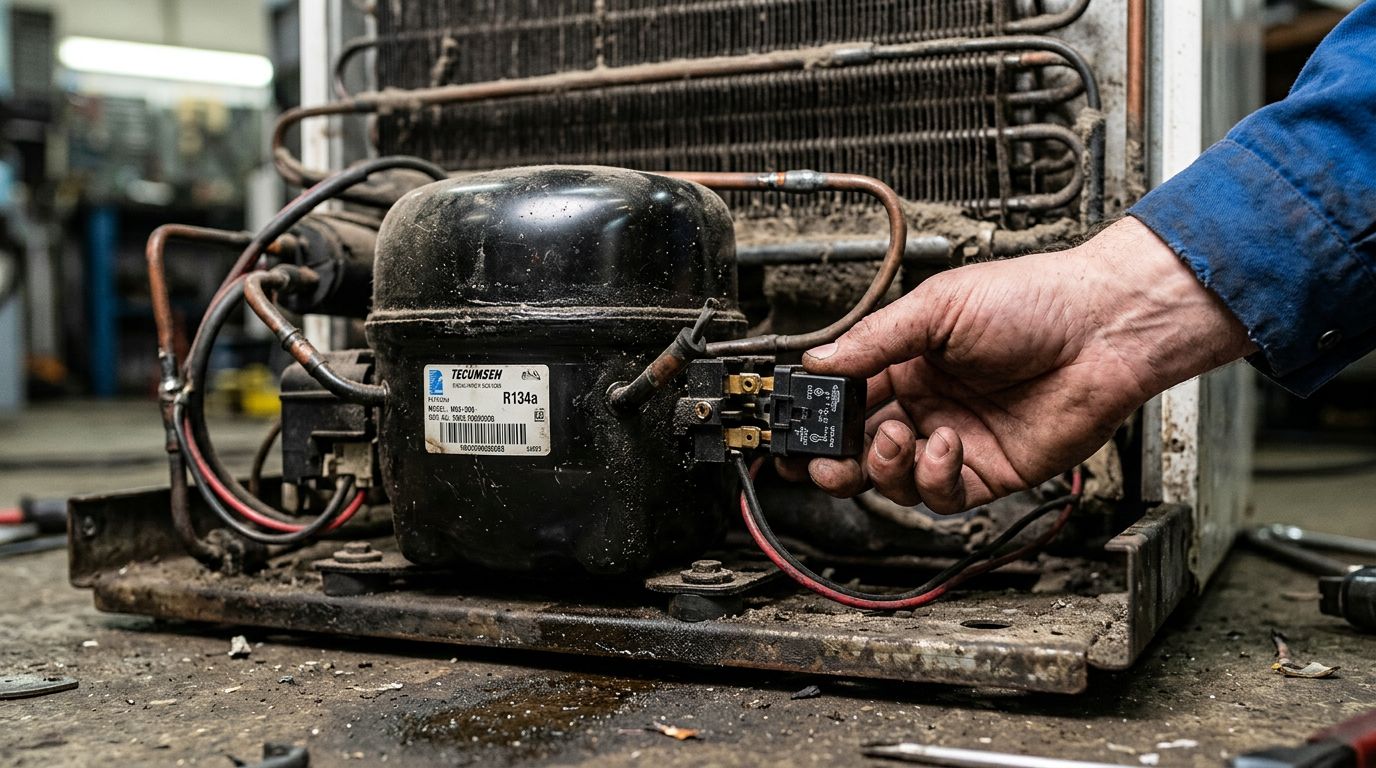
Loud buzzing, humming, or knocking noises
Some fridge noise is completely normal. A low hum is just the compressor running. But if you’re hearing something new – a rattling, grinding, or loud buzzing that wasn’t there before – that’s worth investigating. Grinding sounds in particular can indicate worn internal components. Hissing or bubbling near the back of the fridge could point to a refrigerant leak, which is a job for a certified technician only.
The compressor feels extremely hot
If you pull the fridge away from the wall and carefully touch the compressor (a rounded metal canister near the bottom back), some warmth is normal. Excessive heat is not. A compressor that’s running too hot may have a failing condenser fan, blocked coils preventing heat dissipation, or internal problems. Whatever the cause, an overheating compressor is working much harder than it should be.
Frost buildup in the wrong places
Frost accumulating heavily on the evaporator coils inside the freezer, or ice forming where it shouldn’t be, can be a sign the refrigerant isn’t circulating properly. One technician’s observation worth keeping in mind: if the compressor runs for more than 15 minutes and there’s still no frost forming on the evaporator coils, that’s a strong indicator of a sealed system problem – which typically means the compressor or a refrigerant leak.
Uneven temperatures between compartments
If your freezer is maintaining temperature but your fridge section is warm, or vice versa, the compressor may not be moving refrigerant efficiently through both sides of the system. This asymmetric cooling is a common complaint we hear from homeowners in areas like Albion and Cottonwood – often in older French-door models where the sealed system has more ground to cover.
What to check before assuming it’s the compressor
Honestly, a proper diagnosis should happen before anyone quotes you a compressor replacement. There are several simpler issues that produce nearly identical symptoms, and skipping those checks is how homeowners end up paying for repairs that don’t fix the problem. Start with the basics. Is the condenser coil clean? These coils, usually located on the bottom or back of the fridge, dissipate heat from the refrigerant. When they’re caked with dust and pet hair – which happens faster than most people expect – the compressor overworks itself trying to compensate. A thorough cleaning with a vacuum and soft brush can sometimes restore normal operation. Check whether the condenser fan is running. This fan draws air through the condenser coils. If it’s blocked or the motor has failed, the coils can’t release heat properly, and the compressor overheats. You can usually see and hear this fan by pulling the fridge away from the wall. The start relay is worth checking too. To test it yourself, unplug the fridge, locate the relay on the compressor (it clips onto the compressor terminals), and remove it. Give it a shake near your ear. If it rattles, the relay is likely bad. Replacement relays for most common fridge models cost $15 to $50 and are available at appliance parts suppliers. It’s one of those fixes that looks intimidating but really isn’t – and it’s saved a lot of people from unnecessary compressor jobs. The capacitor is another component that can prevent the compressor from starting. Newer fridges often use a run capacitor that stays in the circuit during normal operation. You can test it with a multimeter set to capacitance mode – if the reading falls outside the tolerance printed on the capacitor (usually plus or minus 5 to 10%), it needs replacing. If you’re not comfortable with electrical testing, this is a reasonable point to bring in a technician. The U.S. Department of Energy’s appliance guidance is a useful resource if you want to understand how refrigerator efficiency and compressor load are connected.
When it actually is the compressor
If the relay and capacitor check out, the condenser coils are clean, the fans are running, and the fridge is still not cooling – you’re likely looking at a sealed system issue. This includes the compressor itself, refrigerant leaks, or internal compressor valve problems. A proper compressor diagnosis requires pulling the fridge away from the wall and testing the compressor terminals with a multimeter. A technician should be testing for continuity between the terminals and checking whether the compressor windings show any shorts. If a tech quotes you a compressor replacement without having done this testing, it’s fair to ask for a more thorough assessment before agreeing to anything. Here’s the practical reality of compressor replacement: it’s expensive and complicated. Residential fridges are sealed systems, which means recharging refrigerant requires specialized equipment and certification. The compressor itself can cost $100 to $300 in parts, and labor pushes the total into the $500 to $650+ range in many cases. For a fridge that’s 10 or more years old, that math often doesn’t work in favor of repair. Before spending anything, check your warranty. Many manufacturers cover the compressor for 5 to 10 years. Some extended warranties include sealed system coverage. If your fridge is still within that window, contact the manufacturer directly – a warranty repair could be free or heavily subsidized. Whirlpool’s warranty documentation is a good example of what to look for, as it outlines sealed system coverage in plain language.
Repair or replace: how to think about it
This is the question everyone gets to eventually. There’s no universal right answer, but there are some practical guidelines. If the fridge is less than five years old and under warranty, pursue the repair. If it’s between five and ten years old, factor in the repair cost against roughly half the price of a new equivalent fridge. If it’s older than ten years, and the repair cost exceeds about a third of what a new fridge would cost, replacement is usually the better call. The average lifespan of a well-maintained refrigerator is around 15 years – so an older unit that needs a $600 compressor job may only have a few years of reliable service left in it regardless. French-door and bottom-freezer models with ice makers and water dispensers tend to be more expensive to repair because there are more systems that can fail. Simpler top-freezer models are generally easier and cheaper to service, which is worth keeping in mind if you’re buying a replacement. 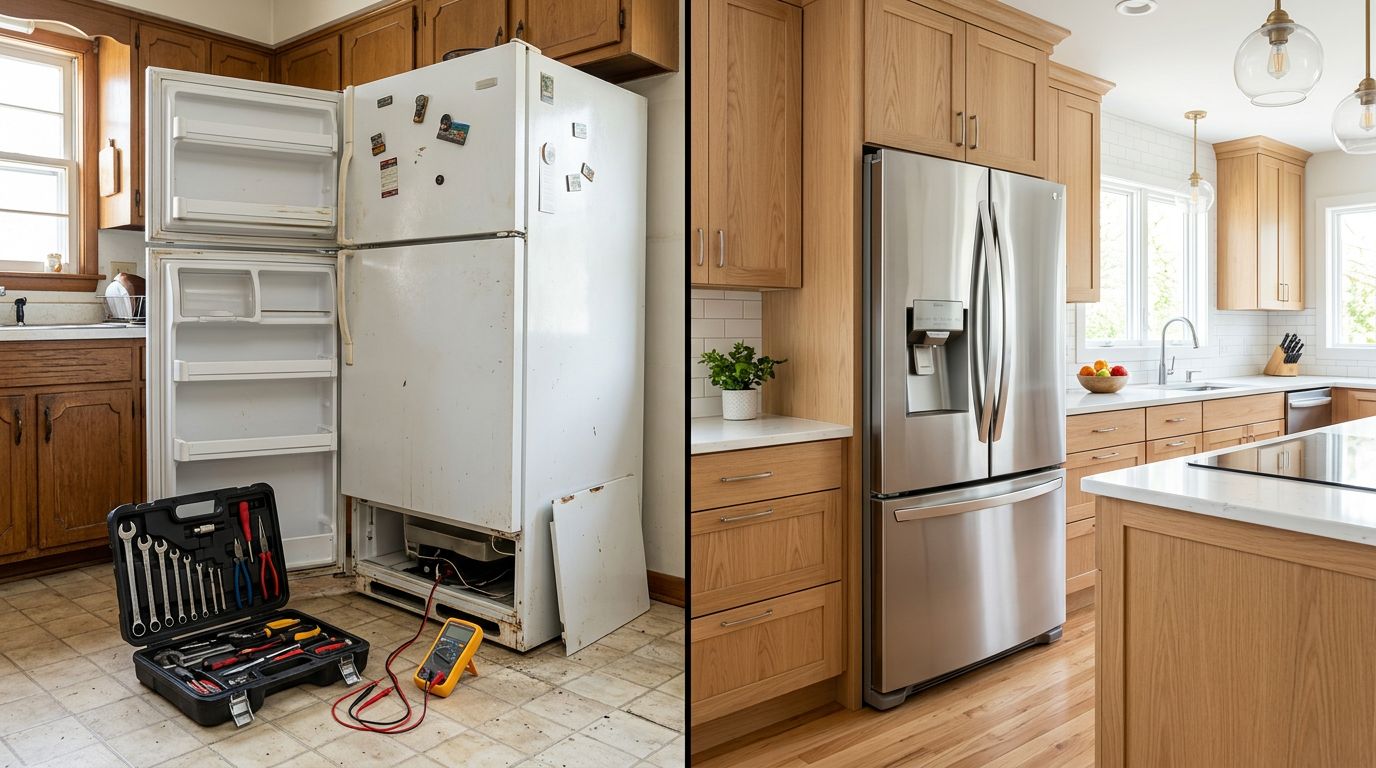 One more thing worth mentioning: Samsung and LG French-door models have had documented compressor reliability issues, and some technicians refuse to take on compressor work on those brands because parts and labor costs make the repairs uneconomical. If you’re in Haney or Silver Valley and dealing with one of those models, it’s worth getting the warranty status confirmed with the manufacturer before doing anything else.
Frequently asked questions
Compressor questions tend to generate a lot of follow-ups, which makes sense – it’s one of the more expensive appliance decisions a homeowner faces. Here are the ones we hear most often.
How do I know if it’s the compressor or the start relay?
The start relay is the first thing to check. Unplug the fridge, remove the relay from the compressor terminals (it’s a small component that just clips on), and shake it. A rattling sound almost always means the relay has failed. You can also test it with a multimeter set to continuity – a failed relay will show no continuity. If the relay tests fine, the problem is more likely with the compressor itself, the capacitor, or the sealed system. A technician with a multimeter and willingness to actually pull the fridge away from the wall can sort this out in a proper service call.
Is it worth repairing a refrigerator compressor?
It depends on the age and cost. Compressor replacement, including parts and labor, typically runs $400 to $650 or more. For a fridge under warranty or less than five years old, repair makes sense. For anything older than 10 years, or for brands with known sealed system issues, replacement is often the more cost-effective path. There’s also the matter of what caused the compressor to fail – if an underlying issue like a dual evaporator valve problem isn’t identified and fixed first, a new compressor can fail again in short order.
Can a refrigerator compressor fail suddenly?
It can, but more often you’ll get warning signs first – temperature fluctuations, strange noises, the fridge running longer than usual. The most common scenario is a gradual decline: the fridge struggles to hold temperature, the compressor runs more frequently, and eventually it either stops starting or runs without producing any cooling. Paying attention to those early signs gives you time to plan, rather than scrambling when the fridge quits completely on a warm weekend.
What should I do while waiting for a repair?
Keep the fridge closed as much as possible. A full fridge retains cold better than an empty one – thermal mass matters. Move anything perishable to a cooler with ice if the fridge temperature climbs above 40°F. The FoodSafety.gov food safety guidelines are worth reviewing – they outline which foods are safe to keep and for how long at elevated temperatures, which can save you from unnecessary food waste.
Does my fridge compressor have a warranty?
Very likely yes, at least for a portion of its life. Most major manufacturers – including Whirlpool, GE, Frigidaire, and Samsung – cover the compressor for 5 to 10 years from the date of purchase. Some even offer longer coverage on specific sealed system components. Check the warranty card that came with the fridge, look up your model number on the manufacturer’s website, or call their customer service line with your serial number. If your fridge is less than 10 years old, this call is worth making before you agree to any out-of-pocket repair.
Wrapping up
A refrigerator compressor failing is not something to ignore, but it’s also not automatically a reason to panic or sign off on an expensive repair before you’ve done some homework. Check the simple stuff first – the start relay, the condenser coils, the capacitor. Confirm your warranty status. Get a diagnosis from a technician who actually pulls the fridge out and tests the components with proper equipment. And weigh the repair cost honestly against the age and condition of the unit. At Simplyfix, we help Maple Ridge homeowners work through exactly these decisions – appliance repair, home maintenance assessments, and the kind of practical guidance that helps you spend your money on what actually makes sense. If your fridge is acting up and you’d rather have someone take a look than spend the weekend troubleshooting, give us a call and we’ll help you figure out the best path forward.
Recent Comments