
Appliance Recall Alerts: What Maple Ridge Homeowners Miss
Ever wondered if that trusty dishwasher humming away in your Maple Ridge kitchen might actually be a ticking time bomb? With over 200 million recalled appliances sitting in unsuspecting American homes, chances are you’re living with a safety hazard and don’t even know it.
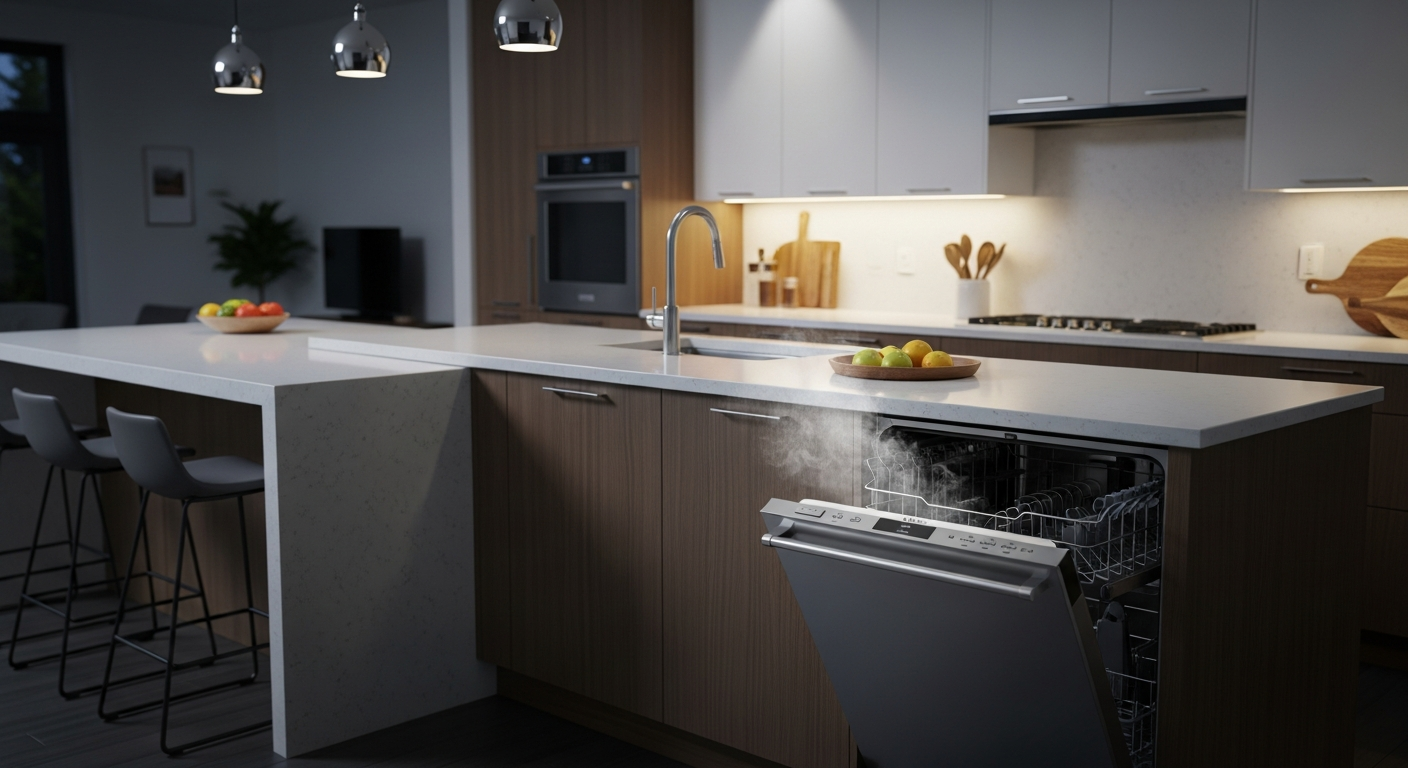
Picture this: you’re hosting a dinner party in your beautiful Albion home, and suddenly your dishwasher starts smoking. The fire marshal shows up and casually mentions your appliance was recalled three years ago – news to you, right? This scenario plays out more often than you’d think across neighborhoods from Silver Valley to Hammond.
As a millennial homeowner who’s learned the hard way that adulting includes way more than I bargained for, I’ve discovered that keeping tabs on appliance recalls is like trying to track every Netflix password you’ve ever shared – nearly impossible but absolutely essential. The reality is that approximately 20% to 25% of homes have at least one recalled appliance lurking in their kitchen or laundry room, silently waiting to cause expensive damage or worse.
Key Outtakes:
- Over 200 million recalled appliances exist in North American homes, with many homeowners completely unaware of safety risks
- More than 80% of appliance recalls stem from hidden electrical issues like faulty wiring and overheating components that aren’t visible during normal use
- Manufacturers often sell identical appliances under multiple brand names, making it harder to identify recalled units in your home
- Free repair or replacement services are available for recalled appliances, potentially saving hundreds in unnecessary repair costs
- Simple online tools and databases can help Maple Ridge homeowners quickly check all their appliances for recalls in one convenient location
The Hidden Danger in Your Maple Ridge Home
When I first moved to my place in Kanaka Creek, I thought the biggest appliance worry I’d face would be figuring out why my dryer kept eating socks. Little did I know that nearly every major appliance category – from dishwashers to refrigerators, microwaves to ranges – has had models recalled by the Consumer Product Safety Commission. It’s like playing “Appliance Roulette” every time you flip a switch or press a button.
The scariest part? According to safety experts, more than 80% of appliance recalls happen because of problems you literally cannot see. We’re talking about improperly installed wiring, overheating motors, and component failures that occur behind closed panels and inside sealed units. Your appliance might look perfectly fine from the outside while harboring a serious fire hazard on the inside.
Take the massive Maytag dishwasher recall from 2010 – one of the largest appliance recalls since the CPSC started tracking these issues in 1974. The recall affected 1.7 million units that posed fire hazards, but here’s the kicker: these weren’t just sold under the Maytag name. The exact same dishwasher was marketed under Amana, Jenn-Air, Admiral, Magic Chef, Performa by Maytag, and Crosley brands. So even if you checked and said “nope, not a Maytag,” you might still own one of the recalled units.
Why Recall Information Gets Lost in Translation
The frustrating truth about appliance recalls is that even when they make national news, the information doesn’t always reach the people who need it most. I remember seeing headlines about major recalls and thinking they didn’t apply to me, only to discover months later that I was wrong. The problem isn’t that the information isn’t available – it’s that the system for accessing it feels like trying to find a specific grain of rice in a 50-pound bag.
The Consumer Product Safety Commission website boasts over 4,500 product recalls and alerts, which sounds comprehensive until you realize you have to manually search through individual recalls for each appliance type. Imagine trying to find someone’s name by scrolling through every phone number in the phonebook – that’s essentially what homeowners face when checking for recalls. You know your dishwasher’s make and model, but you have to dig through dozens of recall notices to see if yours is mentioned.
This backward search process means that many Maple Ridge residents, especially busy families in neighborhoods like Cottonwood or Webster Corners, simply never get around to checking. Life gets busy, and appliance recalls fall off the mental to-do list faster than New Year’s resolutions. Meanwhile, potentially dangerous appliances continue humming along in kitchens and laundry rooms across the city.
The Multiple Brand Name Confusion
Here’s something that blew my mind when I first learned about it: appliance manufacturers routinely sell identical products under completely different brand names. This practice allows retailers to avoid direct price comparisons, but it creates a nightmare scenario for recall awareness. You might confidently assume your “Admiral” dishwasher isn’t affected by a “Maytag” recall, not realizing they’re the exact same machine manufactured in the same facility.
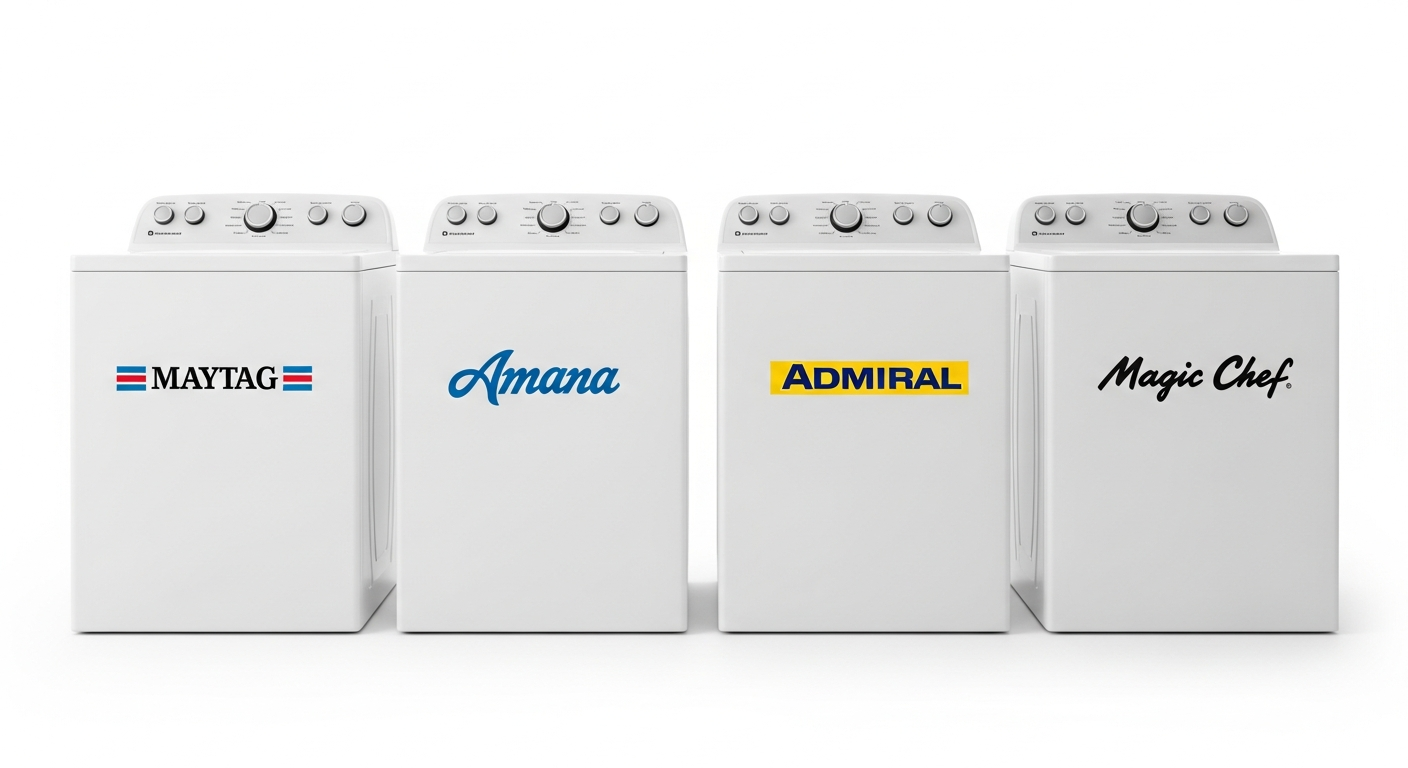
This branding strategy means that a single recall can affect appliances sold under six or seven different names, significantly expanding the number of potentially affected households. For homeowners trying to stay on top of safety issues, this multiplies the complexity of staying informed and makes it even easier to miss critical recall information that directly affects their home’s safety.
The Real Cost of Missing Recall Alerts
Beyond the obvious safety concerns, missing appliance recalls hits homeowners right in the wallet – and not in a good way. When manufacturers issue recalls, they typically cover repair or replacement costs completely. Miss that window of awareness, and you might end up paying hundreds or even thousands for repairs that should have been free. It’s like throwing money into a bonfire, except less fun and more infuriating.
I learned this lesson the expensive way when my older refrigerator started acting up last summer. After paying a repair technician to diagnose the problem, I discovered the issue was part of a recall from two years earlier. The manufacturer would have fixed it for free if I’d known about the recall, but since I was calling for a “repair” rather than reporting a “recall issue,” I got stuck with the bill. That $300 lesson taught me more about the importance of checking recalls than any blog post ever could.
The financial sting gets worse when you consider that recalled appliances often fail in ways that cause secondary damage. A dishwasher recall might be issued because units are overheating and melting internal components. If yours fails before you know about the recall, you might face not just appliance replacement costs, but also kitchen damage, flooring repairs, and the massive hassle of dealing with insurance claims.
Safety Risks That Go Beyond Fire Hazards
While fire hazards grab headlines, appliance recalls cover a surprisingly wide range of safety issues that can affect Maple Ridge families in different ways. Recent recalls have addressed everything from refrigerators with doors that unexpectedly slam shut to ovens with doors that fail to stay closed during operation. These might sound minor, but imagine explaining to your insurance company that your kitchen renovation was necessary because your oven door kept falling open and causing burns.
Some recalls address less dramatic but equally important issues, like appliances that consume excessive electricity due to faulty components, or units that fail prematurely and leave families without essential appliances during inconvenient times. While these issues might not make the evening news, they can significantly impact household budgets and daily routines, especially for families with young children or elderly residents who depend on reliable appliances for meal preparation and basic daily needs.
Modern Solutions for an Old Problem
Fortunately, the digital age has spawned some clever solutions to the recall information problem. Innovative services have emerged that flip the traditional search process on its head, allowing homeowners to enter their appliance information once and get comprehensive recall results instantly. Instead of playing detective with individual manufacturer websites and CPSC databases, you can now get definitive answers about all your appliances in one convenient location.
These services work by maintaining comprehensive databases that cross-reference appliance make, model, and serial numbers against all known recalls. Some even offer ongoing monitoring services that automatically alert you if new recalls affect your registered appliances. For busy homeowners juggling work, family, and the endless maintenance demands of homeownership, these tools can be absolute lifesavers.
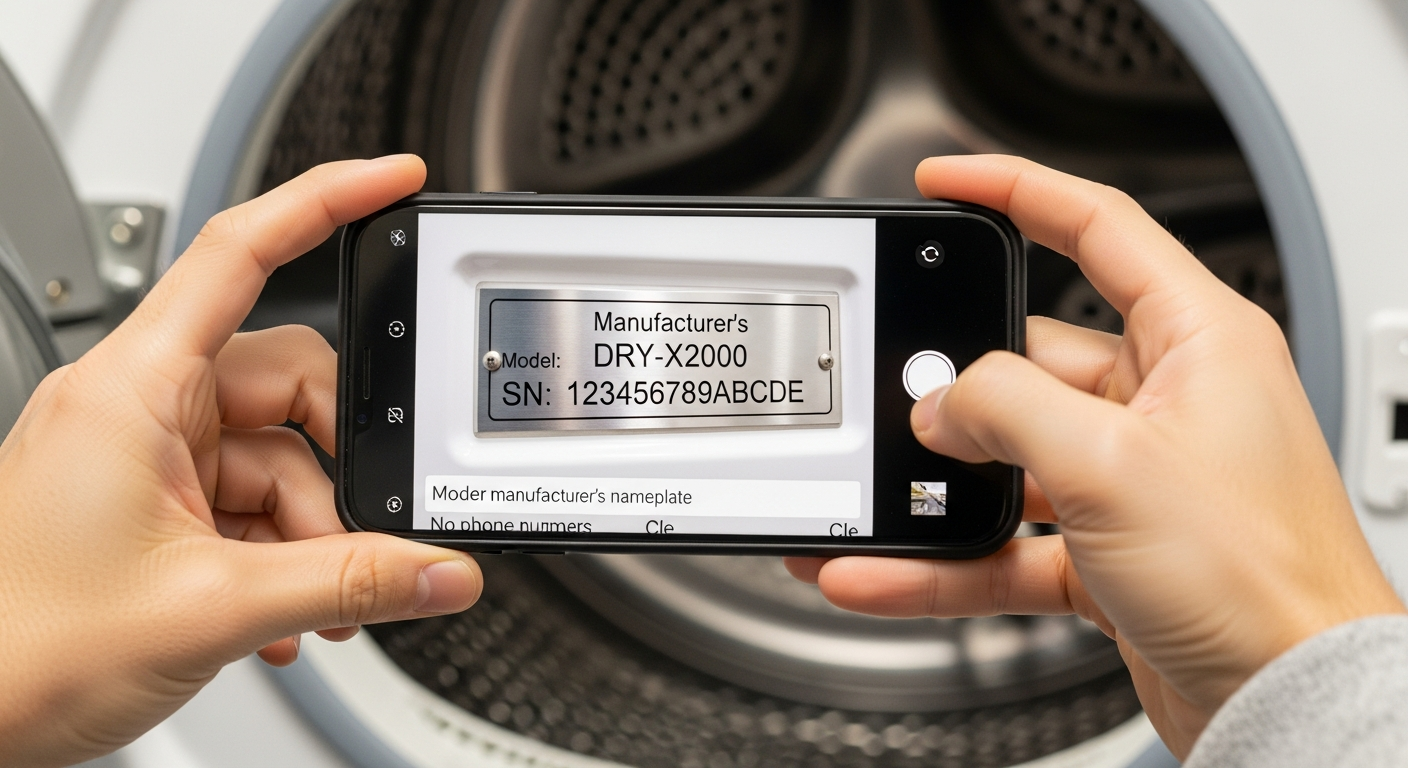
The process typically involves locating the metal nameplate on each appliance (usually found on the back, bottom, or inside the door), recording the make, model, and serial number information, and entering it into an online database. Most comprehensive services charge around $30 for checking all appliances in a home, which is significantly less than what you’d pay for a single repair visit from a technician.
Free vs. Paid Recall Check Options
Homeowners have several options for checking appliance recalls, each with distinct advantages and limitations. The free route involves using search engines to hunt for news stories about specific brands and models, or manually searching through the CPSC website’s recall database. While these methods don’t cost anything upfront, they require significant time investment and still leave room for human error, especially given the multiple brand name issue that complicates many recalls.
Professional recall checking services typically charge a one-time fee but offer comprehensive searches across all major databases, automatic updates when new recalls are announced, and customer support to help interpret results. Some appliance retailers, installers, and home inspection services also offer recall checking as part of their service packages, which can be convenient for homeowners who are already working with these professionals for other projects.
Taking Action When You Discover a Recall
Finding out that one of your appliances is under recall doesn’t have to trigger a full-blown panic attack, even though that’s probably your first instinct. The good news is that manufacturers are legally required to provide clear remediation steps, which usually involve free repairs, replacement parts, or complete unit replacement. The key is acting promptly once you have the information, as some recall remedies have time limitations or require scheduling with authorized service providers.
Most recall notices include detailed contact information for the manufacturer, including phone numbers, business hours, and specific departments that handle recall claims. They also typically provide information about what documentation you’ll need, such as proof of purchase, model numbers, and photos of the nameplate information. Keep these details organized, as you’ll likely need to reference them multiple times throughout the remediation process.
While waiting for recall remediation, follow any safety instructions provided in the recall notice. Some recalls advise immediately discontinuing use of the appliance, while others provide specific usage guidelines that minimize risk until repairs can be completed. Taking these interim precautions seriously can prevent accidents and ensure your family’s safety while the recall process moves forward.
Working with Manufacturers During Recall Resolution
Manufacturers generally handle recalls professionally, but the process can still feel overwhelming if you’ve never dealt with one before. Expect to provide detailed information about your appliance, including purchase date, current condition, and sometimes photos of the unit itself. Keep records of all communication, including reference numbers for phone calls, email confirmations, and any documentation they send you.
Most manufacturers will arrange for authorized service technicians to visit your home for repairs, or provide instructions for safely disconnecting and returning appliances that require replacement. If you’re not satisfied with the manufacturer’s response or if they fail to respond within a reasonable timeframe, recall notices typically include information about escalating your claim through the Consumer Product Safety Commission or other regulatory channels.
Frequently Asked Questions
How often should I check my appliances for new recalls?
Ideally, you should check for appliance recalls every six months, or whenever you hear about major recalls in the news that might affect your appliance brands. Many recall checking services offer automatic monitoring that will alert you when new recalls affect your registered appliances, which eliminates the need to remember to check manually. Setting a reminder on your phone or calendar can help make this a regular part of your home maintenance routine, similar to changing air filters or testing smoke detectors.
What information do I need to check if my appliances are recalled?
You’ll need the make, model, and serial number for each appliance you want to check. This information is typically found on a metal nameplate or sticker located on the back, bottom, inside the door, or on the side of the appliance. For some built-in appliances, you might need to remove drawers or panels to access the nameplate. Taking photos of these nameplates with your smartphone can save time and ensure accuracy when entering information into recall databases.
Are recall repairs really free, or are there hidden costs?
Legitimate manufacturer recalls include free repairs, replacement parts, or complete unit replacement as required by federal law. However, you might encounter additional costs if the recall remedy requires modifications to your home’s electrical, plumbing, or ventilation systems to accommodate a replacement appliance. Some manufacturers also offer upgraded replacement models for an additional fee, but the basic recall remedy should never cost you anything out of pocket.
What should I do if I bought my appliance used and don’t have proof of purchase?
Recalls apply to appliances regardless of whether you’re the original purchaser, so buying used equipment doesn’t disqualify you from recall remediation. Manufacturers typically require proof that you own the appliance (such as photos showing it installed in your home) rather than original purchase receipts. However, some manufacturers might have different policies, so it’s worth contacting them directly to understand their specific requirements for used appliance recalls.
Wrapping Up
Staying on top of appliance recalls might not be the most exciting part of homeownership, but it’s definitely one of the most important for protecting your family’s safety and your wallet. With modern tools and services making the process easier than ever, there’s really no excuse for Maple Ridge homeowners to remain in the dark about potentially dangerous appliances in their homes. At SimplyFix, we understand that home maintenance can feel overwhelming, which is why we’re committed to helping Maple Ridge residents stay informed about safety issues like appliance recalls while providing expert home improvement services throughout Silver Valley, Albion, and all surrounding neighborhoods – because your family’s safety and your home’s reliability are too important to leave to chance.
Recent Comments